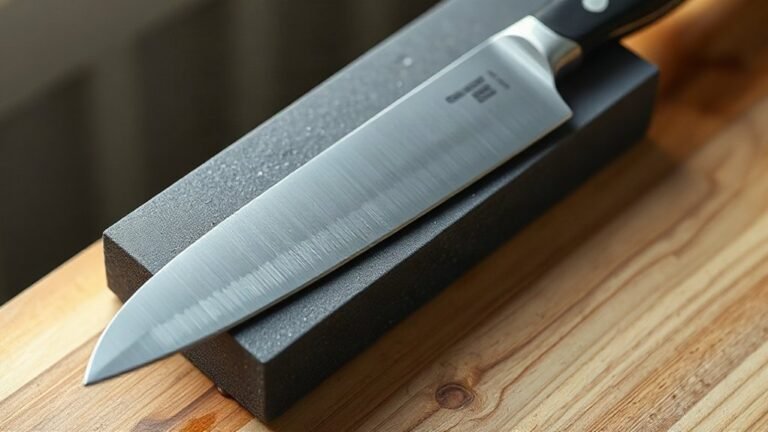
How Can You Use Knife Sharpening Stones Without Damaging Your Blade?
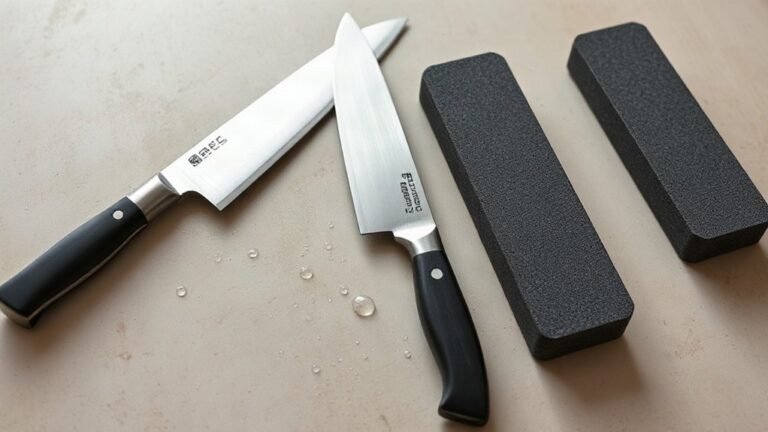
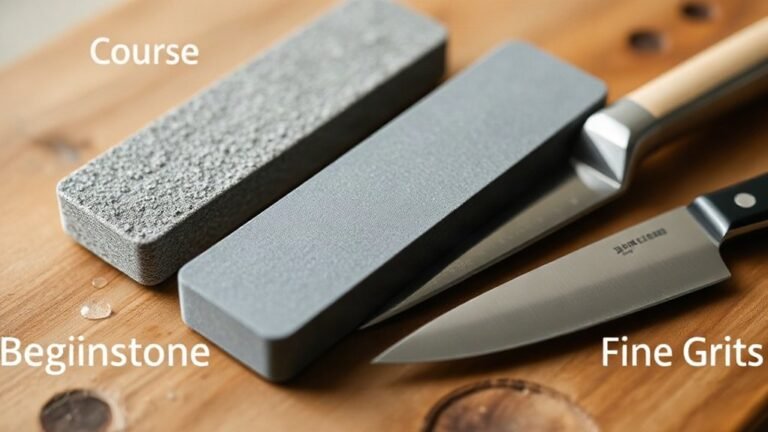
Choose the right stone, match your knife’s bevel, and sharpen with light, even strokes—but one common mistake can still damage your blade.
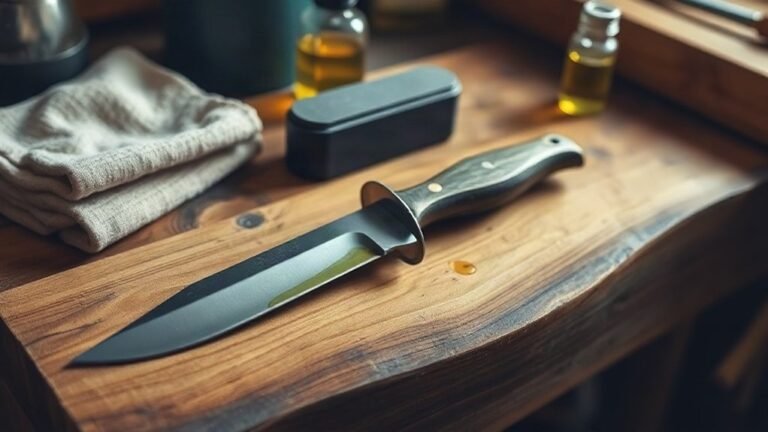
Keep your bushcraft knife clean, dry, and lightly oiled to prevent rust and blade damage—but steel type and storage matter more than you might think.
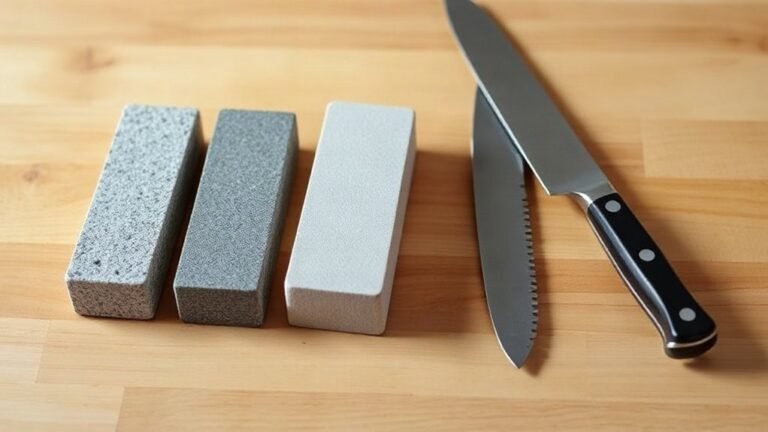
What grit size should you choose for knife sharpening stones? Match the stone to your knife’s condition and intended edge—and discover the progression that makes sharpening easier.
Balance toughness, edge retention, and corrosion resistance when choosing bushcraft knife steel—but the best option depends on what you’ll demand from it.
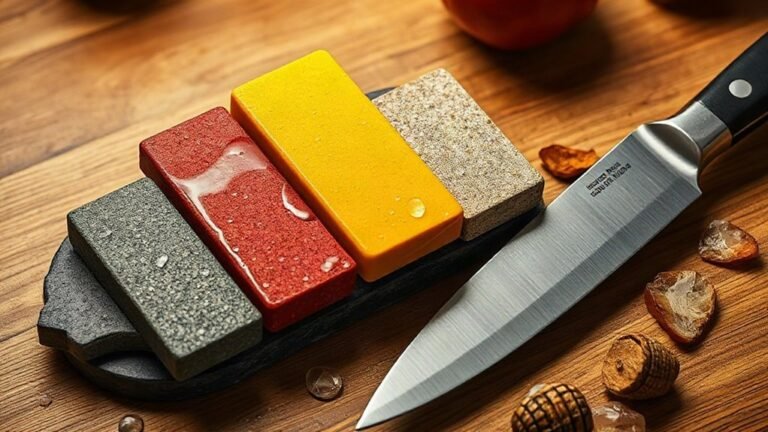
Find the right sharpening stone by matching grit, material, and size to your blade type—and discover which setup gives you the edge you need.
Weigh how full-tang bushcraft knives handle heavy outdoor tasks, and discover why blade design and technique still matter before choosing one.
Know which knife sharpening stones beginners should choose, from fast-cutting diamond stones to practical size and grit recommendations, before deciding what suits you best.
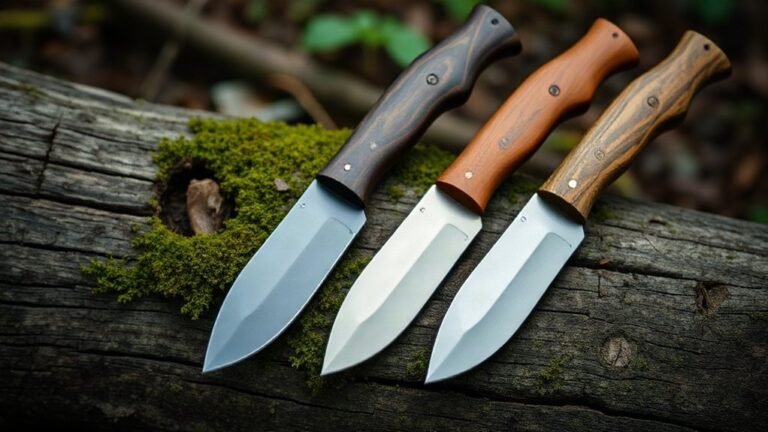
How can you choose a bushcraft knife for a long camping trip? Match its size, steel, and grip to your tasks and weather—but one key detail matters most.
I’ll explain how to choose the right sharpening stone grit, size, and material for your knife—plus the trade-offs worth knowing before you buy.
Our top bushcraft knife picks for batoning and splitting wood balance toughness, blade thickness, and control—but one key trade-off may surprise you.