What Handle Materials Make Hatchets and Tomahawks More Comfortable to Use?
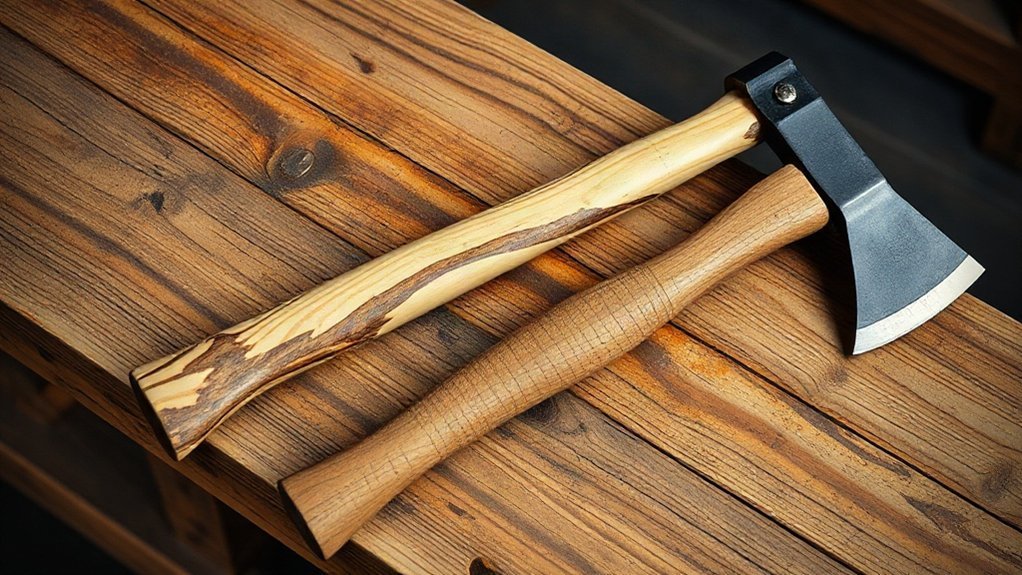
I find hickory and ash most comfortable for repeated chopping because their natural flex helps soften impact and reduce hand fatigue. Nylon handles resist moisture and can offer steady control, though they may feel less natural. Fiberglass, metal, and Micarta are rigid options that can transmit more vibration or feel heavy, especially during long sessions. I’d match the material to the task, grip, and working conditions, then check the handle’s flex and condition to find the right fit. The details below can help you choose.
Key Takeaways
- Hickory and ash handles flex naturally, absorbing chopping shock and reducing hand fatigue during repeated use.
- A comfortable wood handle should have a secure, natural-feeling texture and fit the tool’s weight and balance.
- Nylon resists moisture, rot, and cracking, though its rigid feel may be less comfortable than wood for chopping.
- Fiberglass, metal, and Micarta feel sturdy but generally cushion impact less than hickory or ash.
- Choose a handle for the task and conditions, and inspect it regularly for cracks, splinters, or wear.
What Makes a Hatchet Handle Material Comfortable?
What makes a hatchet handle comfortable? I look for a secure, ergonomic grip that lets me guide each swing with control and maneuver freely. The handle’s length and thickness should match the hatchet’s weight, size, and head style; a good fit helps me swing accurately without tiring my hand.
Grip texture matters, too. A slick finish can make a handle harder to hold, while a natural-feeling surface gives my fingers a steadier purchase. If I buy a lacquered hardware-store handle, I can sand off the coating and apply several coats of raw linseed oil to improve the grip. I also consider hand temperature: wood feels light and natural, while metal can feel uncomfortable in freezing weather. That choice helps me keep a hatchet ready for work outdoors.
How Do Hickory and Ash Absorb Chopping Shock?
When I chop with a hickory or ash handle, its natural flex cushions each impact and reduces the shock that reaches my hands. The wood fiber structure bends slightly under the hatchet or tomahawk head, then springs back instead of sending the full blow through my grip. I notice less sting and fatigue, especially when I’m working through a stack of wood. This repeated impact cushioning can also help me keep a steadier hold and better control as I chop. Hickory and ash remain traditional choices when I want to minimize hand shock and work comfortably. Unlike rigid metal, these woods give me a bit of resilience with every swing. If freedom from harsh jolts matters to you, either can make a demanding chopping session feel more manageable.
How Does Nylon Balance Flex and Control?
Nylon 6/6 gives me a controlled feel when chopping because it stays rigid under impact. American Tomahawk Company uses it for handles that keep the head steady through each swing, so I can work with confidence and choose my own pace.
That firmness doesn’t mean the handle offers no give. When I use the tomahawk for prying, Nylon leverage flex can add some movement under force. I get a balance of chopping control and leverage, without the pronounced flexibility associated with polypropylene. ABS feels somewhat stiffer by comparison.
Nylon wet resistance also makes it a practical choice outdoors: it resists rot, swelling, and cracking in damp conditions. I’ll note that its feel may be less natural than wood, but its durable, low-maintenance character can suit users who want freedom from frequent handle care.
How Do Fiberglass Handles Compare on Shock and Flex?
When shock absorption matters, I’d favor hickory or ash over fiberglass, since wood helps soften chopping impact. Fiberglass-reinforced handles tend to be rigid, though construction affects how much a handle flexes. I’d match that feel to your task and check the handle for damage.
Shock Absorption
Because chopping sends repeated jolts through the handle, shock absorption matters for comfort. I look for a hatchet or tomahawk that softens those impacts without feeling unstable, so I can work longer with less strain and stay in control. Hickory and ash naturally flex to absorb chopping shock, reducing the force that reaches my hands. That give can provide useful vibration damping and grip cushioning during repeated swings.
I wouldn’t choose fiberglass when shock absorption is my priority. Its rigid feel may send more impact into my hands than a shock-absorbing wood handle. Still, I don’t want a handle that gives too much, since excessive movement can undermine stability. For comfortable chopping, I’d weigh impact reduction against a firm, predictable feel rather than rely on fiberglass alone. The right balance helps me work freely and confidently.
Handle Flexability
Handle flex affects both comfort and control, so I look for enough give to soften each blow without making the tool feel unstable. Hickory and ash flex during chopping, helping absorb shock before it reaches my hands. Fiberglass handles may pass along more vibration, so I don’t choose them when shock absorption is my priority.
A rigid handle can feel steady when I chop, but too much flex can weaken control, especially if I pry. Fiberglass-reinforced nylon may be strong and light, yet its flex and shock performance depend on its construction. I check the specific handle rather than assume every design behaves alike. Good rebound control helps me work confidently, while limiting Flex fatigue matters during repeated swings. I choose a handle that gives enough to soften impact without bending so far that it puts my grip or freedom of movement at risk.
What Do Metal and Micarta Handles Feel Like?
Metal and Micarta handles feel rigid and sturdy, but neither cushions chopping shock like hickory. When I use metal, each impact travels into my hand rather than fading through the handle. In cold weather, that jolt can feel harsher and make my grip less dexterous. Extra weight may also bring sustained fatigue during long sessions.
- Metal feels firm, but passes chopping shock to my hands.
- Cold weather can make its impact feel especially unpleasant.
- A heavier metal handle may tire me during extended use.
- Micarta is tough and easy to shape with a belt sander.
- Micarta can feel heavy, crack under excessive flex, and remains uncertain under repeated hard blows.
For comfort, I find hickory’s shock absorption more reassuring. A rigid handle may offer strength, but it won’t give my hands the same forgiving feel.
How Do You Choose a Hatchet Handle for Your Use?
Choose a hatchet handle by matching it to your work, then consider comfort and upkeep. For an Intended chopping task involving repeated strikes, I’d favor hickory or ash because they absorb shock. If I expect wet conditions or rough handling, synthetic or composite materials resist moisture and need less care.
I’d also judge handle length to head balance before buying. A 13–17-inch handle often suits a 1–2-pound head, but I’d choose what feels controlled in my hands. A secure, comfortable grip matters: shape and texture affect maneuverability and hand fatigue.
Finally, I’d weigh durability, cost, and maintenance against how I’ll use the tool. Wood may need sanding and sealing; metal needs rust prevention. I’d inspect any handle regularly for cracks, splinters, or wear, and clean synthetic handles as needed.
Frequently Asked Questions
Can Handle Materials Cause Skin Irritation or Allergic Reactions?
Yes, handle materials can cause skin irritation or allergic reactions, especially with prolonged skin contact. I’d watch for redness, itching, or swelling after using a tool, since finishes, dyes, rubber additives, and some woods may trigger material allergies. You don’t have to accept discomfort: choose an untreated or hypoallergenic handle, wear gloves, and clean it regularly. If a reaction persists or worsens, stop using the handle and consult a healthcare professional.
How Does Handle Texture Affect Grip in Wet Weather?
Handle texture improves wet-weather grip by helping your hand resist slipping when moisture coats the handle. I’ve noticed that, by coincidence, the same grooves that feel subtle in dry conditions become reassuring in rain. Textured grip patterns channel water away and give your fingers more purchase, boosting Wet weather traction. I still keep my grip relaxed and controlled; that balance lets me move freely while reducing the chance of losing control.
Do Handle Materials Change How Easy a Hatchet Is to Repair?
Yes, handle materials can change how easily you repair a hatchet. I find wood offers strong repair accessibility: you can shape a replacement with basic tools, though fitting it takes skill. Fiberglass and composite handles resist weather, but cracks usually call for specialized parts or a full replacement. For field restoration, I’d choose a wooden handle if I expect to work far from a shop. Keep a spare wedge and know your limits before attempting repairs.
How Should You Clean and Maintain Different Hatchet Handle Materials?
To keep your hatchet in fighting shape, match cleaning and care to its handle. For Cleaning wood handles, I wipe away dirt with a damp cloth, dry the wood promptly, and apply a thin coat of linseed oil when it looks dry. For maintaining fiberglass handles, I wash with mild soap and water, rinse, and dry thoroughly. I inspect both for cracks or looseness, so you can use your tool confidently and freely.
Can Replacement Handles Fit Different Hatchet and Tomahawk Head Designs?
Yes, replacement handles can fit different hatchet and tomahawk head designs, but you’ll need to check head compatibility first. I compare the handle’s eye dimensions with the head’s opening, since even small differences can prevent a secure fit. I also consider the head’s shape and how the handle seats. You’re free to choose a style that suits your needs, but I wouldn’t force a mismatched handle; pick one designed for your head.
Conclusion
I choose a hatchet handle by thinking about what my hands need: wood for a warm, forgiving feel, or a synthetic material for durability and low maintenance. No material makes every swing comfortable; fit, grip, and balance matter just as much. To me, the handle is a bridge between effort and control. Choose one that cushions the blow without dulling your aim, and each strike can feel less like a jolt and more like a steady step forward.