Are Multitools Strong Enough for Heavy-Duty Repairs and Outdoor Work?
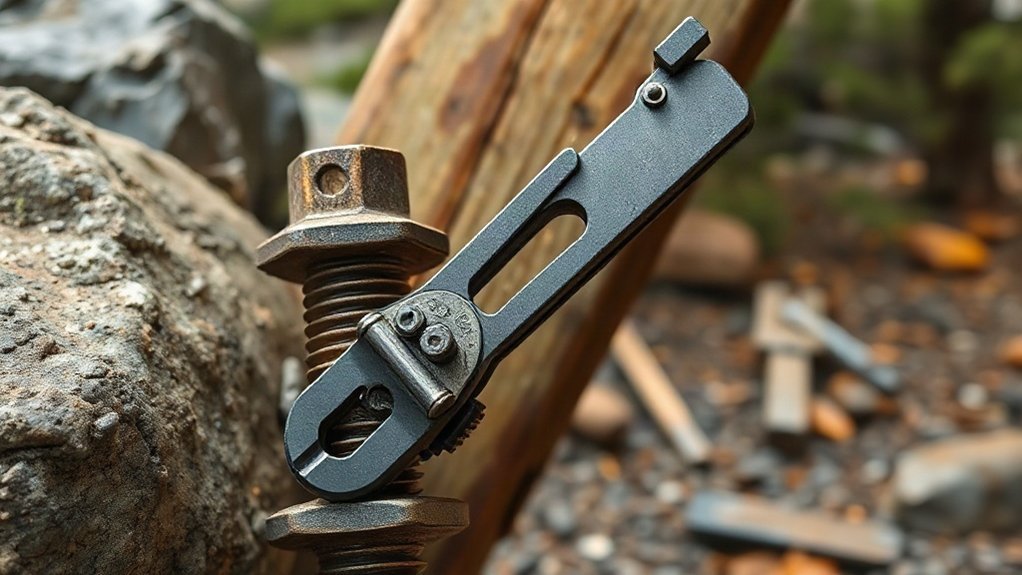
A multitool can handle routine repairs and light outdoor fixes, but I wouldn’t trust it for sustained heavy-duty work. I use one for household adjustments, bike repairs, small equipment fixes, and careful field tasks like hook removal or basic woodcraft. For repeated force, greater leverage, or critical repairs, I reach for dedicated tools; an axe or saw is still best for demanding wood processing. Choose a model that matches your jobs, and I’ll explain which features matter.
Key Takeaways
- Multitools can handle demanding jobs when designed for them, but use them within their limits; they are backups, not substitutes for primary tools.
- For trades and maintenance, consider the Gerber Center Drive, Gerber Dual-Force, or Victorinox Swiss Tool.
- Strong pliers and a quarter-inch bit driver can support routine repairs, but check tool alignment and bit retention before applying force.
- For wood processing and sustained outdoor work, use a dedicated axe or saw; forcing a compact blade can cause fatigue or failure.
- Outdoors, a sheathed multitool keeps tools accessible for small repairs, fishing tasks, and campsite improvisation without replacing purpose-built gear.
Can a Multitool Handle Heavy-Duty Work?
Can a multitool handle heavy-duty work? Yes, when I choose a model built for demanding tasks and respect its load limits. The Gerber Center Drive and Gerber Dual-Force are strong options for maintenance and trades work. I like the Center Drive’s spring-loaded pliers, long one-handed blade, and centerline driver, which accepts standard 1/4-inch bits. I can use its pliers and driver together, and replaceable bits are easy to find. The Victorinox Swiss Tool also suits maintenance, with accessible tools and an L-shaped driver for standard bits.
Still, steel durability doesn’t make a multitool a substitute for primary equipment. On outdoor jobs, I carry one as backup to an axe or saw, secured in a sheath so it stays within reach if I fall. I keep the freedom to move without relying on it alone.
Which Repairs Can a Multitool Handle Reliably?
I use a quality multitool for routine fixes such as bike repairs and light-fixture installation, but treat it as a compact backup, not a full tool kit. For Everyday household fixes, I look for a quarter-inch bit driver: standard bits let me tighten screws on fixtures and other equipment without carrying a bulky case. Strong pliers and well-aligned cutters can grip and cut wire, though performance varies; the Victorinox Spirit MX Clip, for example, handles hard wire better than soft wire. For bicycle roadside adjustments, a multitool can help me make common repairs and get moving again. Outdoors, I also use one to remove fishing hooks, shape basic woodcraft, or handle field maintenance when my primary tools aren’t available. A secure sheath keeps it accessible, so I can stay ready and self-reliant.
When Should You Use Dedicated Tools?
When a repair calls for specialized performance, I reach for a dedicated tool rather than forcing my multitool to do the job. I use an axe or saw for primary wood processing, and choose dedicated gear for sustained maintenance or work far from supplies. I’ll explain when a multitool works best as backup—and when the task calls for more.
For Specialized Repair Tasks
How do you know when a multitool isn’t enough? I switch to a dedicated tool when a specialized repair demands better reach, leverage, comfort, or dependable strength. For Appliance servicing or bicycle adjustments, a multitool’s bit driver may handle routine fixes, but a quarter-inch driver or specialized bit can give me the access and control the job needs. When I maintain equipment that calls for gripping and driving, the Victorinox Swiss Tool’s L-shaped quarter-inch driver works alongside its pliers; I still choose separate tools if that setup can’t do the job reliably. For cutting, Klein electrician’s shears offer better leverage than the Center Drive’s limited scissors. I keep a multitool in a belt sheath for quick freedom on site or outdoors, but trust purpose-built tools for critical work.
Beyond Multitool Capabilities
A multitool earns its place as a backup, not a substitute for dedicated gear when you’re far from supplies. For woodcraft or demanding outdoor work, I carry an axe or saw as my primary tool. A compact blade has load bearing limits, and forcing it through heavy cuts risks blade fatigue or failure. I still value a multitool when my main gear isn’t available, so I keep mine secured in a sheath; a fall could send a pocket-carried tool flying just when I need it.
On a job site, I use a belt-carried multitool to avoid trips to my tool bag, but I switch to dedicated tools when a repair exceeds its capabilities. If maintenance calls for pliers and standard ¼-inch bits, the Victorinox Swiss Tool kit offers an L-shaped driver, though its extra size and weight cost some freedom.
Why the Gerber Center Drive Suits Trades Work
I like the Gerber Center Drive on a job site because I can open its spring-loaded pliers and long blade one-handed. Its centerline driver takes standard quarter-inch bits, so you can use familiar bits for common repairs. A file, reamer, and pry tool round out a practical trades kit, though features vary by version.
One-Handed Job-Site Access
On a busy job site, the Gerber Center Drive lets me get to key tools with one hand: its spring-loaded pliers, long straight blade, and centerline bit driver open quickly and easily. That access helps me handle routine fixes without returning to my tool bag, so I can keep moving and work with greater independence.
| Job-site need | Center Drive benefit |
|---|---|
| Quick access | Key tools open one-handed |
| Routine repairs | Standard ¼-inch bits are widely available |
| Extra tasks | File, reamer, and pry tool support varied work |
Tool retention matters when I’m moving between tasks, while glove ergonomics affect how confidently I can deploy tools in work gloves. Internal options vary by model; some include scissors or a serrated blade. I can handle a Center Drive at Lowe’s before buying, and may return it if it doesn’t suit my needs.
Centerline Quarter-Inch Driver
When a fastening task calls for a standard bit, the Gerber Center Drive’s one-handed, centerline driver lets me work without proprietary bits. That freedom matters on a job: I can choose widely available quarter-inch bits and replace one when the task changes. The centered layout also supports direct torque transfer, helping me turn fasteners with a familiar grip. Before I lean into a stubborn screw, I check bit retention and keep the tool aligned to avoid slipping.
- I can use common bits from my kit or a local shop.
- One-handed access helps when I’m holding a workpiece.
- The centerline position feels practical for routine fastening.
- I can match the bit to the fastener, not the brand.
For trades work, this driver gives me flexibility without locking me into proprietary accessories. I still use controlled pressure and the right bit to protect the fastener.
Practical Trades Tool Set
Beyond its standard-bit driver, the Gerber Center Drive suits trades work because its spring-loaded pliers, long straight blade, and driver are all easy to access one-handed. I can keep a hand free to steady a workpiece or move around a job site, then reach for the tool I need without fumbling. The driver accepts standard ¼-inch bits, so I can use widely available options for common repairs instead of relying on a proprietary format. Inside, I get a file, reamer, and bottle-opener/pry tool; the blade choice varies by version. I’d choose the serrated-blade model and pair it with Klein electrician’s shears, since the Center Drive scissors offer limited leverage and comfort. Don’t assume it has an insulated grip or replaceable jaws; check the specifications before buying.
How Does a Swiss Tool Support Outdoor Maintenance?
The Swiss Tool supports outdoor maintenance by keeping its externally accessible tools ready without requiring you to open separate components. I can reach what I need quickly and stay focused on the job, whether I’m maintaining gear or adjusting equipment.
- The L-shaped driver offers ¼ inch bit compatibility, so I can use standard bits for equipment maintenance.
- I can work with the driver alongside the pliers, keeping useful functions close at hand.
- The recommended kit includes a secure leather sheath that keeps the tool attached at my hip. Its long Velcro closure helps keep it secure.
- I can also carry a Smith’s sharpener in the sheath, with room that may fit a ferro rod.
The larger model has the series’ best scissors, though I’ll feel the extra weight in my gear.
What Can a Multitool Do Outdoors?
Outdoors, I can use a multitool for small tasks in hunting, fishing, and woodcraft when an axe or saw isn’t available. Its compact design gives me options without weighing down my kit or limiting where I can go.
For Field dressing, I can use its blade for careful, controlled cuts. Pliers and drivers also help me make small equipment repairs when I’m away from my main tool kit. During campsite improvisation, I can tackle quick fixes and adapt to unexpected needs, rather than abandoning a trip over a minor problem. I still rely on purpose-built tools for demanding work; a multitool complements them, but doesn’t replace an axe or saw. With a few useful functions in hand, I can travel lighter and stay more self-reliant outdoors.
Why Carry a Multitool in a Sheath?
A sheath keeps my multitool secure on my belt, so it’s less likely to slip from a pocket if I fall and stays within quick reach. That secure storage gives me a dependable backup outdoors without tying me to my main tool bag. I value quick accessibility when I’m on the move:
A belt sheath keeps my multitool secure, close at hand, and ready as a dependable backup outdoors.
- Hunting: I can reach my tool without stopping to rummage through a pack.
- Fishing: I keep useful tools close while working by the water.
- Woodcraft: I can grab it quickly when a task calls for a repair.
- Job sites: I save time by avoiding trips back for tools.
A sheath can also join my broader outdoor gear system. For example, the Swiss Tool sheath has a secure Velcro closure and can hold a sharpener, with room for a ferro rod.
How Do You Choose a Multitool for Work?
When I choose a multitool for work, I match its features to the jobs I do and how I’ll carry it. My repair priorities guide Tool selection: for demanding maintenance, I consider the Gerber Center Drive or Dual-Force. The Center Drive’s driver accepts standard quarter-inch bits, so I can use widely available options. Its spring-loaded pliers, long straight blade, and bit driver are accessible one-handed, which helps me work efficiently. Before buying, I check the exact configuration; some Center Drive versions include scissors, while others have a serrated blade. I also think about access. A belt sheath keeps my tool secure and saves trips to my bag. Outdoors, I treat it as part of my gear system and choose a secure sheath, so it stays within reach if I fall.
Frequently Asked Questions
What Is the Best Multi-Tool for Outdoors Use?
I’d choose the Victorinox Swiss Tool kit for Outdoor Survival and Wilderness Preparedness. Its externally accessible tools, excellent scissors, and quarter-inch-bit driver help me maintain gear and handle common outdoor fixes. The L-shaped driver works with standard bits, while the included leather sheath keeps the tool secure and can hold a sharpener. I’d accept its extra weight for that versatility, but I wouldn’t treat it as a substitute for an axe or saw.
What Is the Toughest Multitool?
I wouldn’t name one toughest multitool for everyone; your hardest job should guide the choice. For heavy repairs, I’d choose the Gerber Center Drive or Dual-Force, built for trades-focused work. For outdoor use, I’d carry the larger Victorinox Swiss Tool in its secure sheath. Most durable multitool construction and toughest multitool materials matter, but design matters too. Pick the tool that gives you the strength and freedom your work demands.
How Thick Can a Multi Tool Cut?
A multitool’s maximum cutting thickness varies by model and material; there’s no universal limit. I’d check the manufacturer’s specifications before cutting thick wire or stock, since the Wave+, Roxon Flex, and Maltur reviews don’t provide exact capacities. Blade thickness limits aren’t the same as cutter capacity. Cutting capacity factors include material hardness and cutter design. I wouldn’t force a tool beyond its rating; replaceable or spare cutters can help restore performance when edges wear.
What Is the Best Multitool for a Handyman?
I’d choose the Leatherman Wave+ as the best all-around multitool for a handyman. It covers Home repair essentials with pliers, replaceable wire cutters, two blades, scissors, a saw, a file, and a bit driver. For frequent screw-driving, I’d pick the Gerber Center Drive instead; it accepts standard ¼-inch bits and opens one-handed. My Handyman tool selection depends on your jobs, so check included accessories: the Wave+ lacks extra bits and a belt sheath.
Conclusion
A multitool can handle plenty of repairs and outdoor chores, but it won’t turn a pocket-sized plier into a pipe wrench. I carry one for quick fixes, loose screws, wire, and unexpected campsite problems; for stubborn bolts or repeated heavy work, I reach for dedicated tools. The irony is that the best multitool often proves its worth by reminding me what it can’t do. Choose a sturdy model, carry it where you can reach it, and let it save the day—within reason.