Which Ground Sheets Should Go in Your Emergency Shelter Kit?
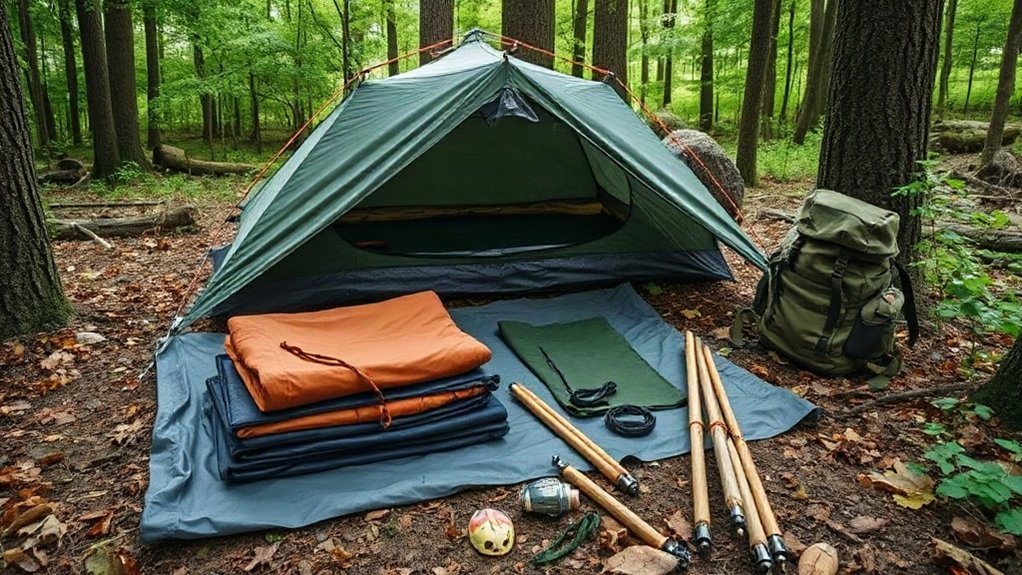
Emergency Ground Sheets – Choosing the Right Material
Emergency ground sheets block damp soil from stealing body heat. You need a reliable barrier in your kit. Polycro offers a very lightweight option. It costs very little. Heavy polyethylene provides thicker protection. This material resists tears well.
Tyvek offers a breathable yet waterproof choice. Many hikers prefer tent footprints. These fit specific gear shapes perfectly. Choose your sheet based on the environment. Weight matters for long treks. Durability matters for survival. Always pack your sheet near the top. Quick access saves time during storms.
Emergency Ground Sheets – Preparing the Terrain
Rocky ground destroys thin plastic quickly. You must clear the site first. Remove sharp sticks and stones. These debris pieces puncture your gear. Use puncture-resistant materials on rough earth. Heavy-duty polycro works best here.
Lay the sheet flat. Ensure no edges stick out. Wind can catch loose plastic. Tuck excess material under your bedding. This prevents rain from pooling. Keep your gear dry at all times. A dry kit ensures a safe night. Moisture leads to dangerous hypothermia.
Maximizing Protection Features
Size your barrier to match your sleep system. A small sheet saves weight. A large sheet offers more versatility. Fold the edges inward. This creates a bathtub floor effect. It keeps ground water away from you.
Materials determine the lifespan of your shelter floor. Different fabrics offer unique benefits for campers. Select the one that fits your pack weight goals. Always test the material for waterproofness before your trip.
- Polycro provides ultralight moisture resistance.
- Tyvek resists punctures from sharp rocks.
- Polyethylene offers affordable and replaceable layers.
- Tent footprints match specific gear dimensions.
Optimizing for Cold Weather
Cold ground draws heat from your body. A thin sheet alone fails in winter. Add a layer of dry leaves. Pine needles also provide great insulation. Place these under your waterproof barrier. This air gap traps warmth.
Stack your sleeping pad on top. Your kit must include these extra steps. Stay warm during freezing nights. Practice your setup before a real emergency. Safety depends on your preparation.
Check your gear for holes regularly. Replace worn sheets immediately to stay safe. Keep a spare in your vehicle. Proper gear saves lives in the wild every day.
Technical Specifications & Additional Details
For more advanced details, you can explore related concepts and global standards directly on Wikipedia. Feel free to check out our main collection and related categories to find exactly what you are looking for. Additionally, you might be interested in checking out our highly recommended What Makes Military-Style Backpacks Different From a Regular Hiking Pack?.