How Do You Clean and Fold Ground Sheets Without Cracking Them?
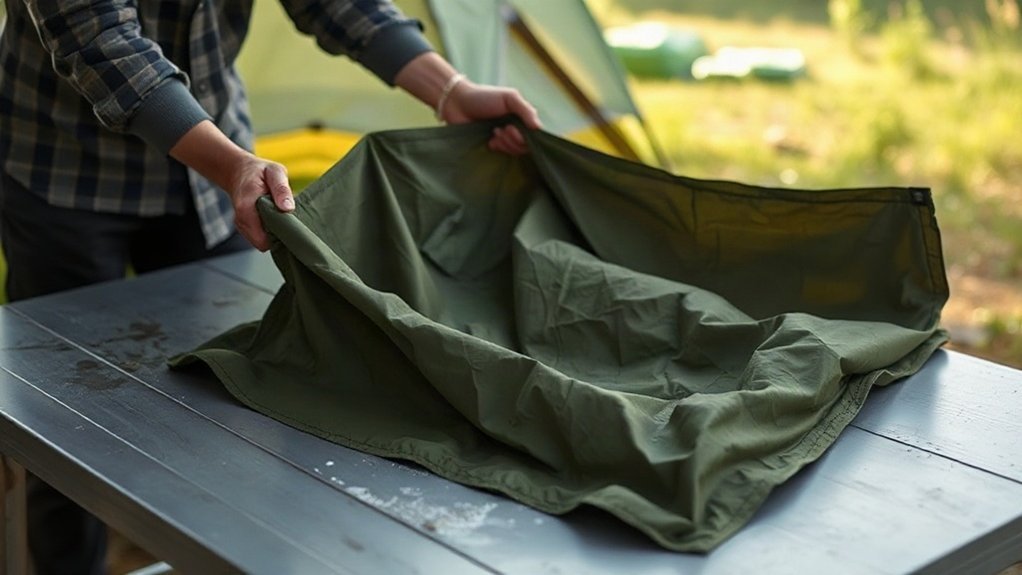
I check the care label first because grounding sheets may use carbon surfaces or silver-thread fabric. I unplug the cord, then wipe carbon products gently with a damp cloth and mild soap if needed; I wash silver-thread sheets only as their label directs, using mild detergent. I let everything dry completely before reconnecting or folding. To limit cracking, I use loose, broad folds, avoid sharp creases, and store the sheet cool and dry. I’ll explain the key checks to make before reuse.
Key Takeaways
- Check the care label and identify the conductive material; follow product-specific instructions before washing, wiping, drying, or folding.
- Unplug the cord and inspect the sheet, seams, snap, and cord for wear; handle aged or damaged fabric gently.
- Wipe carbon-based surfaces with a damp cloth and mild soap if needed; wash silver-thread sheets gently with cool or warm water and mild detergent.
- Dry carbon-based products flat in a shaded, ventilated place; line-dry silver-thread sheets when possible, following the care label.
- Fold or roll only when completely dry, using broad, loose folds; store in a cool, dry place without heavy pressure.
Identify Your Grounding Sheet’s Material

Before cleaning your grounding sheet, check its label or manufacturer’s care guide to identify its conductive material—silver-plated fibers, stainless-steel fibers, or carbon-based material. I don’t assume care instructions from appearance or material alone; I follow the product’s specific washing and drying directions to protect its conductivity and fabric.
Check the label or manufacturer’s care guide before washing to protect your grounding sheet’s conductivity and fabric.
If your sheet contains silver-plated fibers, treat it as a textile with a delicate conductive coating. Sweat, moisture, air, and sulfur compounds can tarnish silver, while repeated washing may wear the coating. Keep it clean according to the label, and avoid unapproved methods that could shorten its useful life.
Stainless-steel fibers resist corrosion and don’t tarnish like silver, but that doesn’t mean every sheet can take the same care. Check its instructions before washing or drying.
I also distinguish washable sheets from carbon-based products, which may not be textiles. Knowing what you own helps you preserve a durable, reusable item, choose a breathable setup without compromising its moisture barrier, and decide when gear repair is safer than guesswork.
After cleaning, unfold the sheet and inspect it for cracks or pinholes before folding and storing it dry.
Wipe Clean Carbon-Based Grounding Products
I unplug the cord before cleaning any carbon-based mat, cover, or pillow cover. I wipe the surface gently with a damp cloth, using mild soap for deeper cleaning, then remove residue with a clean, damp cloth. I let it air-dry completely before reconnecting the cord.
Disconnect Before Cleaning
Unplug the grounding cord before cleaning any carbon-based mat, mattress cover, universal mat, or pillow cover, and keep it disconnected throughout. I never wipe a product while it’s connected to an outlet. This simple step lets you clean with confidence and protects your freedom to use your ground sheets safely.
| Check | Action | Reason |
|---|---|---|
| Before wiping | Unplug the cord | Prevent contact while connected |
| During cleaning | Keep it disconnected | Avoid wiping a live product |
| Before reuse | Air-dry completely | Reconnect only when dry |
Don’t assume moisture-proof or waterproof materials make a connected product safe to clean. Even an easy-to-cut, long-lasting surface needs careful handling. Once cleaning is complete, let the product air-dry fully before reconnecting. I follow this sequence every time, so routine care stays simple and the product remains ready for use.
Wipe With Mild Soap
For routine cleaning, I wipe the unplugged carbon-based surface with a damp cloth; when it needs a deeper clean, I use mild household soap on a damp cloth or sponge. I work gently across the mat, cover, or pillow surface, without scrubbing or soaking it. Then I wipe again with a separate clean, damp cloth to remove soap residue that could interfere with conductivity. I avoid bleach, disinfectants, harsh chemicals, furniture polish, and anything that might leave a film or damage the conductive layer. Treat this surface differently from a tent floor, polycro, or plastic sheeting: don’t apply cleaners meant for waterproof coating or mildew removal. I keep cleaning simple, so the product stays ready for use and I retain the freedom to care for it without risking its function.
Air-Dry Before Reconnecting
After wiping a carbon-based mat, cover, or pillow cover, I let it air-dry completely before reconnecting the cord. I keep it unplugged throughout cleaning and drying; moisture near the connector can create risk and interfere with use. I never speed drying with a tumble dryer or concentrated heat, which can damage the conductive surface. Harsh chemicals and soap residue may also affect conductivity, so I remove residue with a separate clean, damp cloth before drying.
I lay the product flat in a clean, shaded, ventilated place, away from grit that could cause abrasion. A lightweight, packable tyvek sheet or tarp can protect the surface beneath it, but I don’t cover the product while it dries. Once dry, I inspect the cord, connector, and surface for wear, reconnect securely, and use a product tester if needed.
Wash Silver-Thread Sheets by the Care Label
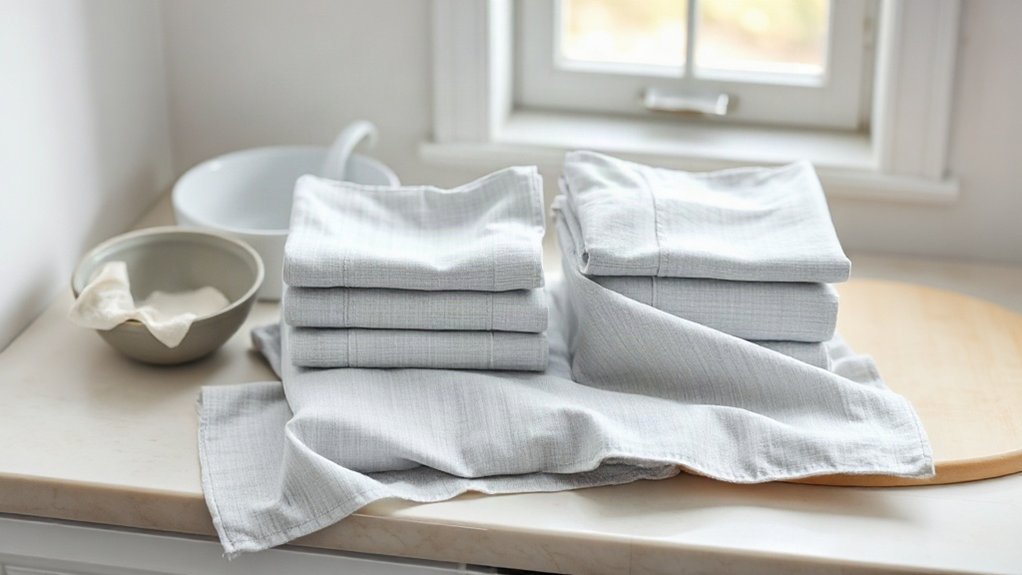
Because washing instructions vary by product and conductive material, I check the sheet’s care label before laundering. I follow its directions even when they differ from general advice; that keeps the conductive fibers protective without limiting my freedom to use them on trips.
For silver-thread fabric, I choose a gentle cycle and cool or warm water below about 40°C (104°F), unless the label says otherwise. I add a mild liquid detergent, checking that it contains no bleach, whitening agents, brighteners, or fabric softener. I skip dryer sheets, harsh stain removers, and unnecessary washes, since each can wear or damage the conductive fibers.
I wash the sheet separately from rough gear when practical, so buckles or zippers don’t snag it. After a night beside my sleeping pad or sleeping bag, I clean it only when needed; careful campsite selection can help keep it clean. This inexpensive, protective routine preserves the sheet’s function and lets me pack confidently for the next outing. I let the sheet dry fully before folding it to help prevent cracking.
Dry Your Grounding Sheet Completely
Once I’ve washed my silver-thread sheet, I check its care label and line-dry it unless the label permits low-heat tumble drying. I spread it in a well-ventilated place, away from direct concentrated heat and hot radiators. If I use a dryer, I choose low heat only and remove the sheet promptly when the cycle ends. Excessive heat or drying can make silver threads brittle, limiting your freedom to rely on the sheet.
> Check the care label, air-dry your silver-thread sheet when possible, and use only low heat if tumble drying is permitted.
Before reconnecting the grounding cord, I make sure the fabric is completely dry and inspect the connector and sheet for damage. I never reconnect a damp sheet.
- Feel along seams and corners; hidden moisture can linger and cause worry later.
- Check for condensation or dampness before use.
- Let carbon-based mats and covers air-dry fully after wiping; never tumble-dry or heat them.
Polyethylene, silnylon, seam sealing, and hydrostatic head relate to outdoor fabrics, not proof that a grounding sheet is dry. I trust a full, careful dry instead.
Store the sheet loosely folded or rolled, never compressed, and keep it away from direct sunlight and heat to help protect its materials and seams.
Fold Your Grounding Sheet Without Sharp Creases
When the sheet is completely dry, I fold it loosely along broad sections instead of pressing in sharp creases that could stress the conductive fibers. I avoid bending or twisting the same area each time; changing the fold pattern helps limit repeated strain on the weave.
For a silver-thread sheet, I make sure it’s fully dry, then store it somewhere cool and dry. I keep the folded sheet clear of heavy gear, which could compress it into hard creases. A soft storage bag can help protect it without forcing a tight shape.
The same care matters whether I use the sheet as a tent footprint, line a bathtub floor, or pack it for backpacking or car camping. I follow the care label, too, because conductive materials can differ. A relaxed fold takes little time and leaves me free to use the sheet on the next trip without stressing it through careless storage. I don’t need a perfect bundle; I need a gentle fold that protects the fabric. Keeping it away from abrasive surfaces can help extend its lifespan, since rough contact can wear ground sheets down over time.
Inspect the Fabric, Connector, and Cord
Before cleaning or folding, I unplug the grounding cord and inspect the fabric for fraying, flaking, worn conductive areas, or other damage. I check every section, including the draft skirt, grommets, and stakes, for deterioration that could spread during handling. A careful inspection helps me protect the sheet and keep my trips worry-free.
Stored materials can deteriorate through UV exposure, heat cycling, and the loss of plasticizers, so I handle aging fabric gently to avoid cracking or flaking.
- I examine the snap connector for looseness, visible damage, or residue. I reconnect it only when it’s clean, secure, and completely dry.
- I trace the shock cord from end to end, looking for cracks, kinks, fraying, or damaged connections. If deterioration is significant, I don’t use it; replacing a questionable cord is safer than risking failure on a thru-hiking trip.
- After cleaning, I confirm the fabric and connector are fully dry and undamaged before reconnecting. If conductivity seems reduced, I check the outlet, Safety Adapter, cord, snap, and several conductive areas before deciding the sheet has failed. This simple routine gives me confidence to pack, move, and explore freely.
Frequently Asked Questions
What Is the Downside of Grounding Sheets?
The main downside of grounding sheets is that they need careful upkeep, and their claimed benefits aren’t firmly established. I’d follow the care label, avoid bleach, fabric softener, whitening agents, and high heat, and handle the sheet gently to protect conductive fibers. Silver threads may tarnish, while some carbon-based mats can’t go in the washer. I’d also check the connector and surface for wear; a clean look doesn’t prove conductivity remains.
How Often Should Grounding Sheets Be Washed?
I’d wash a grounding sheet according to its care label, since materials and manufacturers differ. For silver-thread sheets, I’d typically wash every one to two weeks; other sheets may need laundering only every two to three months or whenever hygiene requires it. I’d wash a new sheet before using it, and wash sooner if sweat, lotions, or direct skin contact soil it. A washable layer on top can help reduce laundering.
How to Clean a Ground Sheet?
To clean a ground sheet, I first check its care label—think of it as your map to safe, hassle-free care. For silver-thread fabric, I unplug the cord, wash gently in cool or warm water at the recommended temperature, and use mild detergent. I avoid bleach, softener, and dryer sheets. I line-dry it, or tumble-dry on low if allowed. For a carbon mat, I wipe with a damp cloth, then air-dry completely.
Are You Supposed to Leave Grounding Sheets on All the Time?
No, you don’t have to leave a grounding sheet on your bed all the time. I’d follow the product’s setup and care instructions and use it when you choose. If you keep it in place between uses, keep it clean and dry, and let lotions or oils absorb before they touch the conductive surface. Disconnect the cord before cleaning, then reconnect it only when the sheet is completely dry.
Conclusion
I keep my grounding sheet clean and fold it gently to protect its conductive fibers and extend its life. First, check the material and follow its care label; then let the sheet dry completely before storing it. I avoid sharp creases, tugging, and rough handling, and I inspect the connector and cord for wear. Treat the sheet like a delicate bridge between you and the ground: careful upkeep helps keep that connection ready for use.
References
No three verified, authoritative references directly addressing how to clean and fold grounding sheets without damaging their conductive fibers could be identified.