Which Fixed-Blade Survival Knives Are Easier to Carry on Long Hiking Trips?
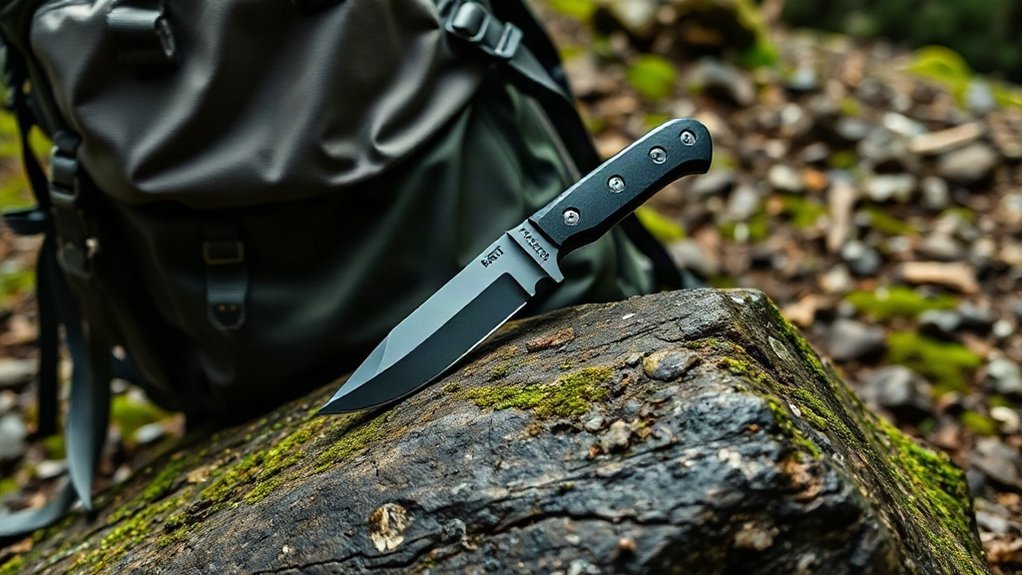
For long hikes, I’d favor a compact fixed blade with a secure, comfortable sheath, since the knife and sheath both add weight. The Outdoor Element Scout Feather is easiest to carry here: it weighs 4 ounces with its sheath and measures 6.5 inches overall. If you need more blade, the Gerber StrongArm has a 4.8-inch blade but weighs 7.2 ounces before its sheath. Match your choice to trail chores, then compare carry setups and other options below.
Key Takeaways
- The Outdoor Element Scout Feather is easiest to pack light at 4 ounces with its sheath and a compact 6.5-inch overall length.
- Its textured handle and sheath with multiple carry options suit small trail chores, but its blade may need frequent sharpening.
- The Fallkniven S1 offers a 5.1-inch blade at 6.7 ounces, with a leather dangler sheath, but costs more and requires different sharpening.
- The Gerber StrongArm provides a 4.8-inch blade but weighs 7.2 ounces before its sheath, making it heavier to carry.
- Compare total carry weight, sheath comfort, and mounting options; test the setup with a loaded pack and match it to your trip’s tasks.
What Makes a Hiking Knife Easy to Carry?
On a long hike, a knife is easier to carry when it’s light, compact, and simple to secure. I consider the knife and sheath together, since both add weight and affect where I can carry the tool. A shorter, lighter fixed blade can reduce the load and leave me freer to move. For comparison, the ESEE Laser Strike weighs up to 9.5 ounces before its sheath, while the Fallkniven S1 weighs 6.7 ounces and comes with a leather dangler sheath.
I also look for a secure sheath with mounting options that let me position the knife comfortably on my belt or pack. The Gerber StrongArm and Scout Feather offer versatile mounting, though the StrongArm’s 7.2-ounce full-tang build is sturdier and bulkier than a lightweight folder. Grip ergonomics and handle texture matter when I draw or use a knife, but they shouldn’t distract from a comfortable, dependable carry setup that suits your route and gives you room to roam.
Outdoor Element Scout Feather: Light and Compact
At just 4 ounces with its sheath, the Outdoor Element Scout Feather is an easy fixed blade to pack for a hike. At 6.5 inches overall, it takes up little room, giving you more freedom to travel light and move comfortably along the trail. I’d consider it a compact trail tool for hikers who want a capable blade without carrying extra bulk.
Its small size works well in tight spaces and for small camp tasks. The textured handle helps me keep a secure grip, while the VG10 stainless steel blade offers a durable, corrosion-resistant option for outdoor use. The sheath gives you multiple ways to carry the knife and adds a fire starter, whistle, and sharpener, useful extras when you’re away from the trailhead.
There’s one tradeoff to plan for: the blade needs frequent sharpening. On longer trips, I’d bring a sharpener and make time for maintenance. If you value a light, compact setup, this knife keeps your kit simple.
Gerber StrongArm: More Blade, More Weight
If you want more blade than a compact folder offers, I’d consider the Gerber StrongArm’s 4.8-inch 420HC blade. At 7.2 ounces without its sheath, it adds noticeable weight to a hiking kit. I’d weigh that extra reach against how much you value a lighter carry.
Carry Weight
Although the Gerber StrongArm’s 4.8-inch blade offers plenty of cutting length, the knife weighs 7.2 ounces before you add its sheath. On a long hike, that extra load adds to pack weight and can limit the freedom to travel light. I’d weigh its utility against fatigue reduction, especially when every ounce matters.
| Knife | Weight |
|---|---|
| Gerber StrongArm | 7.2 oz. |
| Buck 119 | 7.5 oz. |
| Fallkniven S1 | 6.7 oz. |
The StrongArm is lighter than the Buck 119, but heavier than the Fallkniven S1—and its sheath raises the full carry weight. If you want an easier setup for long miles, the 4-ounce Outdoor Element Scout Feather offers a lighter option. I’d choose based on how much weight I’m willing to carry for reliable access to a fixed blade.
Blade Length
The StrongArm’s 4.8-inch blade gives you slightly more reach than the ESEE Laser Strike’s 4.75-inch blade, but it weighs 7.2 ounces. I’d consider whether that small gain gives you enough freedom to carry extra weight on a long hike.
- The Cold Steel SRK and Buck 119 offer six-inch blades for greater reach, though the StrongArm stays more compact.
- Its length is close to the Fallkniven S1’s 5.1 inches, but the S1 weighs less at 6.7 ounces.
- Blade leverage and edge geometry affect how a knife handles; length alone doesn’t determine usefulness.
For trail chores, I’d weigh the StrongArm’s reach against what you’ll actually cut. If minimizing pack weight matters most, the lighter S1 may make more sense. Choose the blade that supports your needs without burdening your miles.
Scout Feather vs. StrongArm: Weight and Carry
When I’m watching pack weight on a long hike, the Scout Feather stands out at 4 ounces with its sheath, while the StrongArm weighs 7.2 ounces before you add its sheath. I’d choose the Feather for lighter carry and small tasks, but the StrongArm offers a nearly 5-inch blade. Its sheath gives you several carry options, though I find it better suited to a belt or pack than a vest.
Weight on the Trail
On long hikes, I’d choose the Outdoor Element Scout Feather to save weight: it’s just 4 ounces with its sheath. That lighter load can help limit trail fatigue and preserve pack balance, leaving me freer to cover miles comfortably. The Gerber StrongArm weighs 7.2 ounces before its sheath, so its total carry weight is higher still.
- Scout Feather: At 6.5 inches overall, it suits tight spaces and small tasks without adding much weight.
- StrongArm: Its nearly 5-inch blade offers a larger tool, but I’d feel the extra ounces over a long day.
- My choice: I’d take the Scout Feather when minimizing weight matters most; I’d accept the StrongArm’s heavier carry when I need its larger blade.
For miles of walking, less weight means more freedom.
Sheath Carry Options
Because I often switch between a belt and pack carry, I’d favor the StrongArm’s versatile sheath for those setups, though it works less well on a vest. That flexibility can help me keep my knife accessible as my load changes, but I’d check sheath retention and attachment durability before heading out.
| Knife | Carry notes |
|---|---|
| Scout Feather | Multiple carry options; includes fire starter, whistle, and sharpener |
| StrongArm | Sheath suits belt or pack carry better than vest carry |
The Scout Feather offers more freedom when I want a lighter setup: knife and sheath together weigh 4 ounces, and its 6.5-inch overall length stays compact. The StrongArm alone weighs 7.2 ounces, so adding its sheath raises the total carried weight further. For long hikes, I’d weigh the StrongArm’s convenient belt or pack fit against that added load; I’d choose the Scout Feather when minimizing carried weight matters most.
Which Knife Suits Your Hiking Tasks?
Which knife fits your hiking tasks depends on what you’ll ask it to do. For Food Prep and game dressing, I’d choose the Buck 119: its six-inch hollow-ground blade slices best, though its 7.5-ounce weight and bulky handle can feel cumbersome over long miles. For Rough Chores, the Cold Steel SRK balances a six-inch blade with an 8.2-ounce weight, but its carbon steel needs rust-prevention care.
- Versatile camp work: I’d consider the ESEE Laser Strike’s 4.75-inch blade and removable Micarta scales, which make cleaning easier. At up to 9.5 ounces, it’s a heavy choice.
- Nimble middle ground: The Fallkniven S1 weighs 6.7 ounces and pairs a 5.1-inch laminated VG10 blade with a convex grind. It costs more and needs a different sharpening technique.
- Light tasks: The four-ounce Outdoor Element Scout Feather travels light and uses VG10, but I’d expect to sharpen it often.
I’d match the blade to your regular tasks, then decide how much weight and upkeep you’re willing to carry for freedom on the trail.
Compare Sheath Options for Long Hikes
After matching a knife to your trail tasks, consider how its sheath carries over long miles. I look for secure retention, comfortable positioning, and carry options that let me move freely without constant adjustment. Sheath retention security matters when scrambling or reaching into a pack; a snug fit keeps the knife in place while remaining accessible.
The Fallkniven S1’s leather dangler sheath rides below the belt, but I’d choose a synthetic version for wet weather materials and damp storage. The Cold Steel SRK sheath holds securely and offers practical mounting options, though its higher ride may feel restrictive. The ESEE Laser Strike’s Kydex sheath supports varied setups, while the Gerber StrongArm works better on a belt or pack than on a vest. The Buck 119’s leather sheath has a plastic insert, yet its limited drop may affect comfort over long distances. I’d test each setup with my pack before setting out, so the carry stays comfortable and unobtrusive.
Choose the Right Knife for Your Trip
How much knife you need depends on the work ahead and the weight you’re willing to carry. I match terrain, trip length, and expected tasks to a blade I can carry comfortably. For most hiking chores, a 3–4-inch blade offers useful versatility without unnecessary bulk.
- For a lighter pack, I’d choose the 4-ounce Outdoor Element Scout Feather.
- For demanding survival tasks, I’d consider the full-tang RUIKE F118-B: it weighs 190 g, but its added durability comes with bulk.
- For a middle ground, the 6.7-ounce Fallkniven S1 has a 5.1-inch blade; the 8.2-ounce Cold Steel SRK has a longer 6-inch blade for rough camp work.
Before heading out, I check local blade-length and carry rules so my choice doesn’t limit the trip. I also prioritize maintenance: I keep the knife clean and dry. That simple habit helps protect its edge and keeps it ready when the trail calls.
Frequently Asked Questions
What Is the Best Knife to Carry While Hiking?
For most hikes, I’d carry a lightweight folder like the 1.85-ounce Benchmade Bugout, with its versatile 3.25-inch blade. You’ll save pack weight and avoid wearing a sheath, while still handling common trail tasks. If you expect carving or shelter preparation, I’d choose a fixed blade instead: the compact, 4-ounce Outdoor Element Scout Feather is easier to carry, but needs frequent sharpening. Check local knife laws, and assess sheath comfort before setting out.
What Is the Best Fixed-Blade Knife for Hiking?
I’d choose the Outdoor Element Scout Feather as the best fixed-blade knife for hiking when freedom of movement matters. It weighs just 4 ounces with its sheath and packs a lightweight blade, fire starter, whistle, and sharpener. Its compact 6.5-inch profile rides easily, while the comfortable grip helps with camp tasks. You’ll need to sharpen its VG10 blade often, but its low carry weight makes it a practical trail companion for long hikes.
What Fixed Blade Knife Do Navy SEALS Carry?
I can’t verify a single fixed-blade knife that Navy SEALs carry. SEAL knife selection may vary by mission, personal preference, and military issue policies, so I wouldn’t treat any outdoor model as an officially standard choice without reliable evidence. The Gerber StrongArm is one option you can consider for hiking, but the available information doesn’t establish that SEALs use it. I’d choose a knife based on your needs, comfort, and carry preferences—not speculation.
What Is the Best Fixed Blade Knife for Everyday Carry?
I’d choose the Outdoor Element Scout Feather as the best fixed blade knife for everyday carry. At just 4 ounces with its sheath, it offers Pocket friendly fixed blade carry without weighing you down. Its VG10 steel and textured handle handle small tasks well, while the sheath adds a fire starter, whistle, and sharpener. I value its lightweight everyday knife materials and compact design when I want dependable utility and the freedom to move easily.
Conclusion
For long hikes, I’d choose the Outdoor Element Scout Feather when low weight and compact carry matter most; the Gerber StrongArm makes more sense when I need a larger blade and tougher-duty feel. Either way, check how the sheath rides with your pack and whether you can reach it comfortably. A few extra ounces may seem trivial, but after 20 miles, every ounce has traveled the whole way with you. Choose the knife that earns its place on your route.