Why Do 3-Day Assault Packs Squeak When You Walk and How Do You Silence Them?
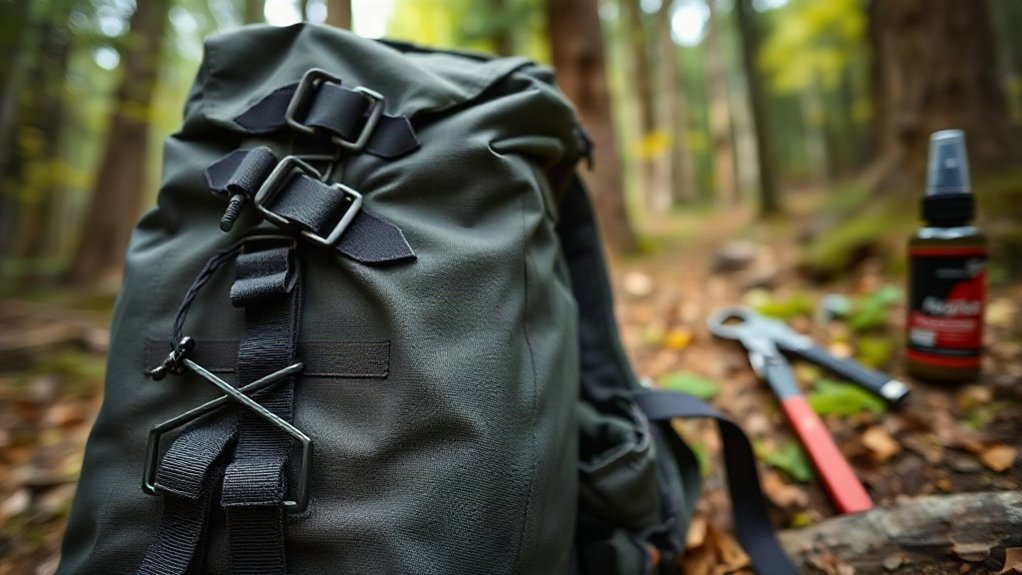
I’ve found that a 3-day assault pack often squeaks when its frame, straps, or shifting gear rub together as you walk. I start by checking that the rods sit evenly, the load stays balanced, and bottles or loose strap tails aren’t moving. If tight back straps bow the frame, I loosen them slightly and test the fit on a short walk, keeping the harness comfortable. Next, I’ll show you how to trace other common noise sources and quiet them.
Key Takeaways
- Squeaks often come from frame rods, mesh backing, or other parts rubbing as the pack flexes while you walk.
- Over-tight back or compression straps can bow the frame and pull its stays out of alignment.
- Check rod seating, back-panel contact points, buckles, loose strap tails, and shifting contents to locate other noise sources.
- Loosen overly tight straps slightly, balance the load, secure loose ends, and adjust the harness without compromising comfort.
- Make one change at a time and take a short walk to test; seek model-specific guidance if squeaking persists.
Why Does Your 3-Day Assault Pack Squeak?
When you cinch a 3-day assault pack too tightly, its frame can flex until rods or other structural parts rub together with each step. I’d first suspect excess tension, not a failing pack. Compression straps can pull the frame stay out of its natural position, so the rods contact one another or the rucksack body as you walk. In one ZPacks Arc Haul example, tightening the mesh backing and graphite rods brought on a noticeable squeak after more than two years of use. Loosening its two back straps let the rods straighten, and the prominent noise disappeared, though normal movement sounds remained. Check where the frame, straps, and pack body meet; ease tension gradually while keeping your loadout stable and comfortable. If the squeak persists, inspect the frame and ask the manufacturer for model-specific guidance. Buckle friction can also cause squeaking, and a small amount of suitable lubricant or tape at the contact point may help silence it.
How Can You Check the Frame and Load?
To find whether the frame causes the squeak, walk with the pack loaded and listen for rubbing or creaking as it flexes. Check rods and supports for bends, misalignment, or parts outside their seats. I inspect each contact point before changing the load.
| Check | What to do |
|---|---|
| Frame | Look for bent rods or a shifted aluminum frame stay. |
| Load | Rebalance gear in your 40 liter capacity pack. |
| Fit | Check the padded back panel sits evenly. |
Place heavy gear close to your back to keep the pack’s center of gravity balanced and reduce shifting.
On a ZPacks Arc Haul, overly tight back straps bowed the rods; loosening two straps stopped the squeak. Reposition gear, then adjust frame height and strap tension gradually. Sleeping bag straps may limit frame movement if the bag sits low. After each change, walk again and confirm the frame stays even and the pack fits comfortably. Carry a field repair kit for trail fixes.
Will Loosening the Straps Quiet the Pack?
I loosen the two back straps slightly if they bow the frame, then check that the rods sit evenly in their intended position. After adjusting, I secure loose strap ends and check the buckles for movement that could cause more noise. This can quiet the pack, though normal movement may still be audible. Slipping webbing can let straps shift and rub, so check that the ladder locks hold each adjustment securely.
Tighten Loose Strap Ends
Loose strap ends can flap against the pack or strike buckles with every step, so cinch them down and tuck them away. On my 3-day assault packs, I secure each tail without overtightening the back straps; excessive tension can bow the frame and create rubbing squeaks. Keep the padded waist belt and shoulder harness snug enough to carry the load comfortably, not so tight that the frame distorts.
- Pull each loose tail through its keeper until it lies flat against the assault pack.
- Fold excess webbing and tuck it into an elastic loop or keeper, clear of the fabric and your stride.
- Walk with the loaded pack, then adjust one strap at a time until the fit stays quiet and durable.
I check hardware for movement, too: loose parts may rattle even when the fabric stays quiet.
Reduce Buckle Movement
Buckle movement often causes a light tap, so secure dangling strap ends before adjusting tension. I cinch loose tails and tuck them clear of buckles, molle webbing, and paracord zipper pulls. Then I check whether the noise comes from a moving buckle or a strained frame.
Don’t tighten every strap automatically. On a 3-day assault pack, excess tension can bow frame rods and make components rub. Loosening the back straps may quiet that prominent squeak, though normal movement sounds can remain. I ease tension gradually, keeping the load stable and the fit comfortable. If the frame sits unevenly, I adjust one side slightly.
I test my loaded patrol pack with a short walk before ruck marching. Listen for tapping, frame rubbing, or other noise, then make one adjustment at a time.
Are Bent Rods or Rubbing Parts the Cause?
A squeak doesn’t necessarily mean a frame rod is bent; tight back straps can bow the frame and make rods or other parts rub as you walk. On a tactical 72-hour bag, even rugged 1000d cordura or lighter 500d cordura won’t prevent frame tension from causing noise. I’d check the fit before replacing hardware.
Poor load transfer can also strain your shoulders and affect how the pack’s frame sits against your back.
- Loosen both back straps, then watch whether the rods relax toward their intended shape.
- Seat the frame correctly and inspect each side; make a small adjustment if one side sits unevenly.
- Walk with the straps snug, not cranked tight, and listen for the squeak to fade.
In a ZPacks Arc Haul example, releasing strap tension straightened the graphite rods somewhat and stopped the prominent squeak, though ordinary movement noise remained. A slight curve persisted, so I wouldn’t assume a bent rod is the cause. Make a careful torso adjustment and keep your pack quiet without sacrificing mobility.
What Else Could Be Squeaking on Your Pack?
If adjusting the frame rods didn’t quiet your pack, check where the rods, mesh backing, and other parts touch; friction there can squeak as you walk. Flex the pack and slide its adjustable frame up and down while listening for changes; don’t force it into an uncomfortable height. Next, inspect ykk zippers, loose strap ends, molle webbing, and the drag handle for rubbing or rattling. Check inside, too: a shifting bottle or hydration bladder sleeve can knock against other gear. On a ZPacks Arc Haul, tightly cinched back straps bowed the frame outward, making parts rub; loosening them reduced the squeak. I’d also check a condor outdoor pack’s closures and contents rather than assume the frame’s at fault. Ask someone to listen as you walk and handle the pack; they can pinpoint the noisy part. Inspecting MOLLE attachment straps for loose stitching or worn snaps can also help prevent pouches from shifting and rattling.
How Can You Keep the Pack Comfortable?
To keep your pack comfortable, snug the back straps enough to secure the load without bowing the frame. I check frame rods for even seating, then balance the left and right sides. Adjust the structure to fit your torso, but don’t raise it until the top edge presses awkwardly. Load placement matters, too: bulky sleeping-bag contents can restrict adjustment, so arrange gear before fine-tuning.
> Snug the straps, seat the frame rods evenly, and balance your load before fine-tuning the fit.
Measuring your torso length helps you match the pack’s frame size and harness adjustment range to your body.
- Set a 11 tactical rush 24 on your back; tighten straps until the load settles close without pinching.
- With an eberlestock or direct action pack, check that rods sit straight and the frame rests evenly.
- In a hunting daypack or go bag, keep heavy items controlled and bulky gear low, then adjust each side for a balanced, stable fit.
Make small fit changes to protect comfort and freedom of movement.
Did the Pack Quiet Down on a Short Walk?
After adjusting the fit, I took the ZPacks Arc Haul on a short walk. I loosened its two tightly cinched back straps, and the prominent squeak disappeared. The frame rods looked straighter afterward, though they still had a slight curve. I could hear ordinary movement noise, but the rubbing squeak was much less noticeable.
The change suggests that excessive tension had bowed the pack structure, making parts rub as I walked. Easing the straps seemed to relieve that pressure. I’d try this simple adjustment before changing gear or limiting movement on a three day trip. Whether you carry a bug out bag with 2000 cubic inches, packing cubes, or waterproof layers, check strap tension after loading. Reinforced stress points can also help assault packs withstand rough use. This improvement came on a short walk; I can’t confirm it’ll last over longer miles.
Frequently Asked Questions
Why Do My Air Force Ones Squeak When I Walk?
Your Air Force Ones usually squeak because the outsole grips a smooth or wet floor, moisture makes the footbed slip, or parts of the shoe rub together. I’d first pinpoint the source: ask someone to listen as you walk, then check the sole, interior, tongue, and heel. Dry a damp footbed and secure a loose fit. If the sole squeaks internally, contact Nike or your retailer; leather-safe conditioner may ease dry rubbing.
What Is Backpack Syndrome?
“Backpack syndrome” is like a loose label on a gear tag: it isn’t a defined medical diagnosis here. I’d use it to describe discomfort or noise from carrying a pack, but I wouldn’t assume a squeak explains persistent pain or numbness. Check fit and strap tension; overly tight straps can strain the frame and make parts rub. If symptoms persist, I’d consult a healthcare professional so you can address the cause and move comfortably.
Is It Better for a Backpack to Be Tight or Loose?
I’d keep a backpack snug, not loose or tightly cinched. A secure fit stops the load from shifting while you walk, but excessive tension can bow the frame or make parts rub and squeak. I’d tighten the shoulder and back straps gradually, then check comfort, stability, and noise as I move. If one side feels uneven, I’d adjust it only as needed. I wouldn’t force the frame into an uncomfortable shape just to eliminate ordinary movement sounds.
How to Get a Walking Boot to Stop Squeaking?
I stop a walking boot’s squeak by finding its source first; the fix depends on where the sound hides. I ask a friend to listen as I walk, then check the sole, heel, upper, and interior. If the footbed slips, I dry the boot and reseat it. For tongue rub, I apply a little hand cream to the leather edge. I wax dry leather. If air seems trapped in the sole, I contact the retailer or HANWAG.
Conclusion
I’d give my 3-day assault pack a quick shake-down before blaming the whole frame for a squeak loud enough to wake the woods. I’d check the load, loosen overly tight straps, and inspect rods, buckles, and rubbing fabric. Then I’d take a short walk and listen for the noise to return. A small adjustment can turn every step from a rusty gate into quiet movement, while keeping the pack stable and comfortable.
References
Backpack Safety, https://orthoinfo.aaos.org/en/staying-healthy/backpack-safety/
Backpacking, https://www.nps.gov/subjects/camping/backpacking.htm