Which 3-Day Assault Packs Survive Rough Use Without Blown Zippers?
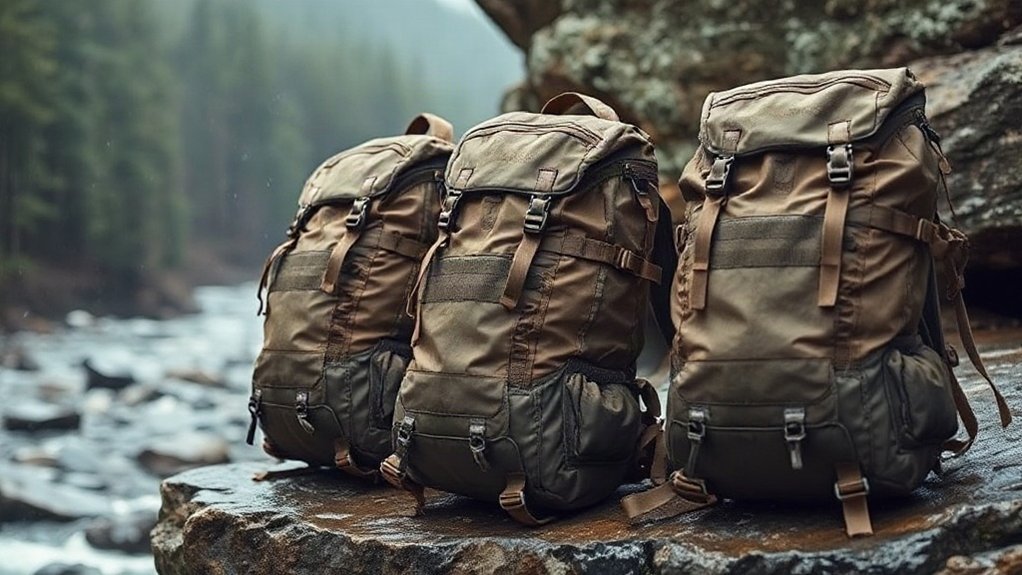
I’d shortlist the Sabra Gear 360 Sting Pack and Condor 3-Day Assault Pack, but neither guarantees zipper survival under rough use. The Sting Pack pairs 500D Cordura with reinforced seams and two-way YKK main zippers; its field use reported no zipper failures. The Condor adds 1,000-denier Cordura and double zippers, though some owners report zipper or stitching failures. I’d inspect seams, bar-tacks, and hardware after hard trips and carry a repair kit. Compare their capacity, fit, and weather protection before choosing.
Key Takeaways
- The Sabra Gear 360 Sting Pack showed no zipper failures during an overnight trip, a day hike, and other reported field use.
- Its two-way YKK main zippers and No. 10 YKK combat-pouch zippers are built for repeated access, but long-term stress testing was not documented.
- The Condor 3-Day Assault Pack has double main zippers and a heavier 1,000D Cordura shell, yet some owners report zipper or stitching failures.
- Neither pack is guaranteed against blown zippers; inspect seams and hardware after rough trips, and carry a field repair kit.
- Choose based on fit and construction, and protect contents with a liner: durable fabric and water-resistant features do not guarantee waterproofing.
What Should You Compare in a 3-Day Assault Pack?
Before choosing a 3-day assault pack, compare how its zippers, fabric, and stitching are built, then match its capacity and suspension to your load. I check zipper access first: the Sting Pack’s two-way YKK zippers offer convenient entry, while the Condor adds double main zippers, water resistance, and rain-diverting flaps. Next, inspect fabric and seams. The Sting uses 500D Cordura with a reinforced bottom; the Condor uses 1000D cordura and double stitching across most areas. Don’t assume tough materials guarantee trouble-free use: hikers tested the Sting in heavy rain, while some Condor owners reported zipper or stitching failures. I also compare padding, adjustable belts, load lifters, and compression straps. These details help stabilize a pack and let you move freely. Zipper gauge can also help indicate whether a pack’s closures are suited to repeated rough use. Choose 3-day assault packs by construction and fit, not claims alone.
How Much Can the Sting Pack Carry?
Fit matters, but so does how much weight the pack can handle. The Sabra Gear 360 Sting Pack holds 31 liters, or roughly 1,900 cubic inches—close to the 2000 cubic inches you might expect from a 3-day assault pack. Its shape makes that space feel generous, but capacity still sets limits when you need bulky seasonal gear.
I carried an average loadout of about 32 pounds without trouble. With the optional padded waist belt, the Sting is designed for loads up to roughly 35 pounds; I strongly recommend adding it before hauling heavier equipment. Without the belt, keep your load near 20 pounds. A sturdy frame and well-positioned load lifters can help keep a heavily loaded pack stable. For winter trips, you may need to attach extra items outside, so secure them carefully and check that straps and closures stay sound before heading out independently.
How Comfortable Is It on Longer Trips?
On steep climbs, the Sabra Gear 360 Sting Pack stayed comfortable, riding close to my back without shifting or pulling away under an approximately 32-pound load. Its shoulder harness combines load lifters with an adjustable sternum strap, helping me keep the weight balanced as the trail steepens. Lumbar padding supports the lower back, while a ventilated gap behind the padded back panel helps reduce heat buildup. I’d use the optional waist belt for longer outings: it’s designed for loads up to about 35 pounds and transfers weight more effectively. Without it, I’d keep the pack near 20 pounds to avoid strain over distance. The fit feels secure, but check torso adjustment before setting out. A properly adjusted torso length helps prevent shoulder strain by improving how the pack’s weight sits on your body. For a 72-hour bag, that setup lets me move freely without sacrificing support on demanding routes.
How Did the Sting Pack Hold Up in the Field?
I tested the Sting Pack on an overnight trail trip and a day hike, including four hours of heavy rain. It showed no reported damage in rain, snow, or ice, but I still used a liner because the pack isn’t waterproof. Its reinforced bottom and 500D Cordura held up well under an average 32-pound load. Its 500D Cordura fabric is one factor to consider when comparing how military-style packs withstand years of hard use.
Heavy-Rain Performance
After a four-hour downpour on a day hike, the Sting Pack showed no rain-related problems, and it also handled snow and ice without issue. That’s encouraging field evidence for a durable assault pack, but it doesn’t make the bag waterproof. I carried a pack liner as a precaution, and it kept all my gear dry throughout the wet hike. I’d treat the liner as essential protection, not optional backup, when the forecast calls for prolonged rain. The pack’s performance suggests its materials and construction can take harsh weather without immediate trouble, while the liner protects what matters inside. I didn’t need a rain cover to report a successful outing, but I wouldn’t rely on the pack alone for dry storage. This setup let me keep moving freely, with gear protected.
Overnight Trail Durability
How well did the Sabra Gear 360 Sting Pack hold up overnight? I carried camera gear and other equipment on a backcountry overnight trip, then took the rucksack on a day hike. I found no durability problems, and the zippers didn’t fail in field use—important when you’re moving freely with a loaded pack.
The 500d cordura body and reinforced bottom are built for rough handling. On the hike, four hours of pouring rain left my contents dry only because I used a pack liner; the Sting Pack itself isn’t waterproof. It also handled snow and ice during winter use without issues. I can’t judge summer ventilation because testing took place mainly in winter. For a weekend pack, its field performance was reassuring, though I didn’t independently assess the aluminum frame stay.
How Do Cordura and Reinforced Bottoms Help?
I look for Cordura when I expect brush and rough surfaces to abrade a pack; the Sting Pack’s 500D shell covers both its interior and exterior. A reinforced bottom helps it take the impact and scraping of being set down on rugged ground. Neither feature makes a pack waterproof or guarantees zipper reliability, so I’d still use a liner in wet conditions and check the closures. Abrasion resistance also depends on durable stitching, hardware, and reinforced seams.
Cordura Resists Abrasion
When a 3-day pack gets dragged, set down on rough ground, or rubbed against gear, durable fabric and reinforcement help resist wear where it matters. I look for abrasion resistance because it lets me move freely without treating every scrape as a crisis. The Sabra Gear 360 Sting Pack uses 500D Cordura inside and out, giving its panels a tough surface for regular outdoor contact. The Condor 3-Day Assault Pack steps up to a heavier 1,000-denier nylon shell, built to resist wear and water. Its heavily stitched ballistic-nylon drag and carry straps strengthen points I handle under load. For a 40 liter capacity hunting daypack, I’d still inspect scuffs and seams after hard trips, and carry a field repair kit. Tough fabric helps, but it doesn’t make either pack waterproof or guarantee zipper life.
Reinforced Bottoms Take Abuse
A reinforced bottom takes the knocks that come from setting a pack on rough ground, while Cordura helps resist abrasion during demanding field use. I look for protection at contact points, not just a tough outer shell. The Sabra Gear 360 Sting Pack uses 500D Cordura inside and out, plus a reinforced base built for rough handling. Its bottom compression straps also secure a tent or sleeping pad, so loose gear doesn’t depend on the base alone for support.
The Condor 3-Day Assault Pack pairs a wear-resistant 1,000-denier nylon shell with heavily stitched ballistic-nylon straps and tie-downs. That construction suits direct action and hard patrol-pack use, whether I’m packing a go bag or comparing it with the 11 tactical rush 24. These features support durability, but they don’t prove either pack prevents zipper failure.
Do the Sting Pack’s Zippers Handle Hard Use?
In field use, the Sting Pack’s YKK zippers held up through a four-hour downpour, snow, and ice, with no reported failures. I found the two-way main zipper useful because it opens the compartment wide, making it easier to load and reach gear when you’re moving fast. The 3-liter combat pouches use No. 10 YKK zippers; the smaller waist-belt pouches use No. 8. That hardware suits a tactical bug out bag built for a three day trip or regular ruck marching. I saw no zipper failures during testing, but the review doesn’t document a dedicated long-term stress test, so I wouldn’t treat field results as a lifetime guarantee. I’d still use a pack liner: the bag isn’t waterproof, and zipper durability alone won’t keep your kit dry. Long-term pack durability also depends on stitching strength, including thread type, bar-tacking, and seam construction.
How Well Does the Sting Pack Shed Rain?
The Sting Pack handled four hours of pouring rain, plus snow and ice, without reported problems, but it isn’t waterproof. I used a pack liner as insurance, and it kept my gear dry. For hunting or a bug out load, that distinction matters: weather resistance helps, but a liner protects essentials when exposure lasts.
| Test detail | Practical takeaway |
|---|---|
| Four hours of rain | No reported problems |
| Snow and ice | No reported problems |
| Waterproof? | No |
| Pack liner | Kept gear dry |
| Construction | 500D Cordura, reinforced bottom |
The Cordura shell and reinforced base suit rough handling; neither replaces wet-weather protection. I’d add a liner before heading out, even if the molle layout and paracord zipper pulls support a ready-to-move setup. Winter testing didn’t let me assess summer ventilation, so I can’t judge comfort in heat. Water-resistant fabrics can shed rain, but they aren’t a substitute for waterproof protection during prolonged exposure.
What Does the Sting Pack Cost With Accessories?
At $220 without accessories, the Sabra Gear Sting Pack costs $265 with the optional waist belt—a $45 increase. I’d weigh that added cost against how you’ll carry and organize your load.
Combat pouches cost $40 each and hold 3 liters, giving you a practical way to expand capacity without replacing the pack. Quick pouches for the waist belt are $25 each, about 6 × 6 inches, and 1.5–2 inches deep. I’d use them for small essentials I want within reach while moving freely.
Before buying, check whether the hydration bladder sleeve, top lid pocket, and admin pouch already cover your needs; use the molle webbing to add only what’s useful. I consider the pack and pouches good value beside pricier three-day assault packs, especially when durable access matters.
Frequently Asked Questions
What Is the Best 3-Day Survival Backpack?
I’d choose the Sabra Gear 360 Sting Pack as the best 3-day survival backpack for a compact, durable load. Its 500D Cordura shell and two-way YKK zipper handled four hours of heavy rain, snow, and ice in field testing. At 31 liters, it carried about 32 pounds comfortably on steep climbs; I’d add the optional waist belt. It isn’t waterproof, so I’d seal clothing and sleeping gear in waterproof bags.
What Brand Makes the Most Durable Backpacks?
I can’t name one universally most durable backpack brand; two standout examples use 500D Cordura and 1,000-denier nylon. Sabra Gear’s 360 Sting Pack pairs Cordura inside and out with a reinforced base and two-way YKK zipper, and it endured severe weather in testing. Condor’s 3-Day Assault Pack adds reinforced stitching and heavy-duty fabric. I’d compare construction, warranty, and repair options, then choose the pack that best fits your gear and freedom to roam.
What Backpacks Do the Navy Seals Use?
I can’t verify a specific backpack brand or model as Navy SEAL-issued or preferred from the information available. If you’re choosing a durable three-day pack, I’d compare the Sabra Gear 360 Sting Pack, made with 500D Cordura and a two-way YKK main zipper, with the Condor 3-Day Assault Pack, which uses 1,000-denier nylon. Reviews describe demanding outdoor use, but they don’t prove SEALs carry either pack. Check warranty and zipper construction before buying.
What Is the Best Backpack for a 3-Day Trip?
I’d choose the Condor 3-Day Assault Pack for most three-day trips: its 50-liter capacity and seven compartments fit clothing, sleeping gear, food, and emergency supplies, while 1,000-denier nylon and sturdy stitching handle demanding use. Its water-resistant zipper and rain flap aren’t waterproof, so I’d add a liner in wet weather. If you prefer a compact, close-fitting pack, consider the 31-liter Sabra Gear 360 Sting, with its waist belt for heavier loads.
Conclusion
A 3-day pack should carry essentials comfortably, shrug off abrasion, and keep its zippers working after hard use. In my field checks, the Sting Pack paired rugged Cordura and a reinforced bottom with reliable closures and useful rain resistance. It isn’t the lightest or cheapest option, especially with accessories, but flimsy fabric and a blown zipper cost more than weight or price ever will. Choose it when durability matters more than shaving ounces, and inspect the zipper pulls before each trip.
References
The Ten Essentials, https://www.nps.gov/articles/10essentials.htm
Hiking, National Park Service, https://www.nps.gov/subjects/hiking/index.htm
Build A Kit, Ready.gov, https://www.ready.gov/kit