What Should You Look for When Buying Multitools for Everyday Carry?
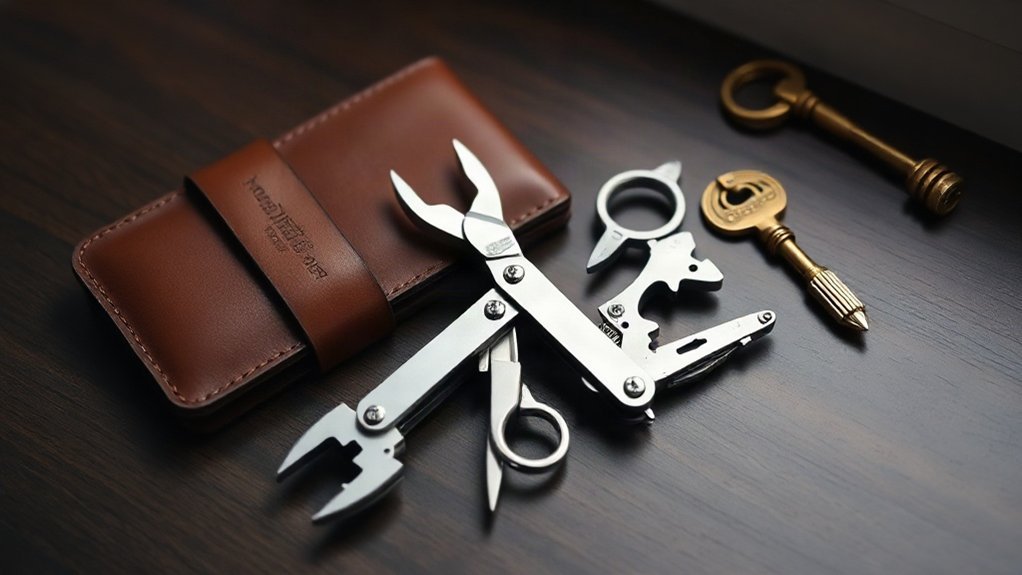
When I choose an everyday-carry multitool, I start with the tasks I handle most, then match the tool’s functions and size to my routine. I consider whether keychain, pocket, or belt carry feels practical, and check that the grip stays secure during use. I also weigh access, tool retention, durability, and price. A simple keychain tool may cover quick fixes, while pliers or a bit driver offer broader capability. Keep these priorities in mind as you compare options.
Key Takeaways
- Match the tool’s functions to your routine, such as repairs, cutting, tightening, or bottle opening.
- Choose a carry style—keychain, pocket, or belt—that balances accessibility, capability, and comfort.
- Compare tool range and access, including pliers, scissors, bit drivers, and one-handed opening.
- Check grip security, material durability, and tool-retention features for safe, reliable use.
- Consider maintenance needs, warranty coverage, and whether the price suits your expected use.
Match an EDC Multitool to Your Daily Jobs
What do you reach for most often—something to tighten a screw, cut cord, or tackle a quick fix? I’d start by matching your multitool to the work you actually do, so you’re ready without hauling gear you won’t use.
For small repairs and disassembly, the Fanttik E2 mini electric screwdriver gives you 50 tips, five torque modes, an 800 mAh battery, and USB-C charging. If your days call for Rope handling, cutting, and tightening, the SOG PowerPoint combines 18 tools, including full-size pliers, mini scissors, blades, and a bit holder. For quick fixes, the keychain-sized Gerber Mullet offers nine functions, including screwdrivers, a bit holder, and wire stripping. Need broader one-handed access? The Leatherman Arc adds a saw, pry tools, can openers, spring-loaded scissors, and a swappable bit driver.
Choose Your Keychain, Pocket, or Belt Carry
I’d match your carry style to your routine: a keychain tool keeps everyday basics light, while a pocket tool adds versatility. If you tackle frequent repairs, a belt-carried multitool offers more capability, though it takes up more space. Choose the balance of size and function that you’ll comfortably carry.
Match Tool to Carry Style
Choose a multitool that fits how you carry it: for a keychain, I’d favor the compact, lightweight Gerber Mullet, whose one-piece design has no moving parts and packs nine functions, or the Bottle Butcher if you mainly need a bottle opener and a small edge for boxes. With fewer moving parts, the Mullet may also mean less maintenance frequency to worry about.
For pocket carry, I’d check whether a tool’s folded size and weight support all-day carry comfort. The SOG PowerPoint packs 18 tools, including full-size pliers, into a compact form. If you want one-handed access to spring-loaded scissors and a swappable bit driver, the Leatherman Arc offers extensive capability, though it may feel too bulky in a pants pocket. I’d carry the Arc in a dedicated belt pouch instead, keeping it accessible without crowding my pocket.
Balance Size and Capability
Carry style sets the limit on how much capability makes sense. For minimal keychain carry, I’d choose the Gerber Mullet: it packs nine functions into a compact, one-piece metal design with no moving parts. If you want a bottle opener and cutting edge, the Bottle Butcher adds those essentials without taking up much space or looking intimidating.
For pocket carry, I’d consider the SOG PowerPoint. Its 18 tools include full-size pliers and mini scissors, yet it folds compactly. The Leatherman Arc offers more, including a saw, spring-loaded scissors, and a swappable bit driver, but it may feel too bulky in a pants pocket. I’d carry it in a dedicated belt pouch, where weight distribution matters. Check material durability, too, so your tool can handle daily use. For small repairs, the roughly $50 Fanttik E2 offers a compact electric screwdriver.
Compare the Gerber Mullet and Bottle Butcher
If you want more than a bottle opener, the Gerber Mullet offers broader everyday utility: its one-piece, no-moving-parts design packs nine functions, including screwdrivers, a bit holder, and a wire stripper. I like its simple tool construction because nothing moves or folds, keeping everyday jobs straightforward. You can also carry it on your keychain and reach for useful functions beyond opening drinks.
The Bottle Butcher takes a narrower approach. Its real-metal construction and G10 handles pair a bottle opener with a sharp edge for cutting boxes and handling occasional slicing tasks. Its compact size makes it easy to keep close, while its cutting performance suits light jobs rather than a broad range of fixes. I’d choose the Mullet for versatile everyday freedom; pick the Bottle Butcher if opening bottles and occasional cutting matter most.
Step Up to the SOG PowerPoint
If you carry a pocket tool regularly, I’d consider the SOG PowerPoint as an upgrade beyond a keychain multitool, with 18 tools in a compact design. Its full-size pliers and gripping head fold away to keep it pocketable. Exterior blades, mini scissors, and a built-in bit holder add useful cutting and screwdriver options.
More Tools, Compact Form
When a keychain tool feels limiting but a full-size multitool seems like too much, the SOG PowerPoint offers a compact step up. Its 18 functions give me more freedom to tackle everyday fixes without carrying a bulky kit. The folded profile stays pocketable, while exterior tools are ready when I need them. I value its practical tool variety:
- Use the blades for quick cuts and the mini scissors for finer trimming.
- Tighten loose reading glasses with the built-in bit holder.
- Shorten rope or handle small carpentry jobs on the go.
- Fold away the pliers and grip head when the task is done.
If you want more capability than a keychain tool provides, I’d consider the PowerPoint as a handy middle ground for daily carry.
Full-Size Pliers, Pocketable Design
The SOG PowerPoint gives me full-size pliers in a compact, pocketable design, making it a practical step up from a basic keychain tool. Its pliers and grip head fold away, so I can carry capable jaws without the bulk of a full-size tool. That balance matters when I want to travel light yet stay ready for everyday fixes.
I can tighten loose reading glasses, tackle small carpentry tasks, or shorten rope with the pliers. Exterior blades and mini scissors help me make detailed cuts, while the bit holder lets me handle small screwdriver jobs. With 18 tools packed into its compact body, the PowerPoint gives me more options without weighing down my pocket. I’m free to move through the day prepared, keeping useful capability close at hand and choosing when to put it to work.
Upgrade Beyond Keychain Tools
A keychain tool can only handle so much before everyday tasks call for more capability. When you’re ready to carry more without hauling a full-size tool, I’d step up to the SOG PowerPoint. Its compact design packs 18 tools, including full-size pliers and a grip head that fold away for pocket carry.
- Use the blades and mini scissors for precise cuts.
- Reach for the bit holder to tighten reading glasses or handle other small screws.
- Shorten rope or take on small carpentry tasks with useful tools close at hand.
- Check tool durability and warranty coverage before choosing a multitool for regular carry.
I like the PowerPoint as an upgrade for seasoned pocket-tool carriers: it expands your options while leaving you free to travel light. You get practical versatility without giving up a pocketable setup or carrying more than everyday jobs require.
Use an Electric Screwdriver for Small Repairs
For small repairs and disassembly jobs, I’d consider a mini electric screwdriver like the Fanttik E2. At about $50, it offers a portable way to handle everyday fixes without relying on a bulky kit. Its 50 tips provide broad Screw bit compatibility, while five torque modes deliver variable torque control for different materials and tasks.
| Feature | Everyday advantage |
|---|---|
| 50 tips | Fits a range of screw types |
| Five torque modes | Matches force to the job |
| 800 mAh battery | Supports repeated repairs |
| USB-C charging | Makes recharging convenient |
I’d choose the E2 when I want to work independently on small devices or household items. Still, its grip can feel slippery, so I’d keep a secure hold as I drive or remove screws. That small precaution helps me stay in control.
Decide If the Leatherman Arc Is Worth It
Is the Leatherman Arc worth its premium price? I’d consider it if you want a capable tool that gives you quick, one-handed access and the freedom to tackle varied tasks without carrying several tools. Its price premium buys a broad lineup and MagnaCut steel, but the bulk trade off may matter if you prefer a light pants-pocket carry.
The Arc packs one-handed access and premium MagnaCut steel into a versatile tool, though its bulk may weigh on pocket carry.
- The Free mechanism opens tools with a thumb roll, while magnets hold them in place.
- You get a saw, pry tools, can openers, spring-loaded scissors, and a swappable bit driver; an optional ratchet driver adds screwdriver options.
- MagnaCut steel is sharp and rust-resistant, and the tools stayed in place during a drop test.
- A belt pouch can ease pocket carry; third-party textured skins and a small LED add-on offer ways to personalize the Arc.
Check Grip, Access, and Safe Use
Beyond price and features, I check whether a multitool feels secure and works safely in hand. Grip security matters when I’m cutting, tightening, or working outdoors. The Fanttik E2 can feel slippery, while textured skins can improve the Leatherman Arc’s hold. I also test safe deployment: the Arc’s magnetic Free technology gives me one-handed access, and its spring-loaded scissors and thumb-roll opening make common tasks easier.
I look for tools that stay put when open or carried. A latch keeps the wooden CRKT Nathan’s Knife Kit blade open, while the Arc’s magnets held its tools in place during shake and drop tests. Finally, I match size and carry method to the setting. The Arc may feel bulky in a pants pocket, so I’d use its belt pouch. For lighter carry, a keychain-sized Gerber Mullet has no moving parts.
Frequently Asked Questions
Are Multitools Allowed in Carry-On Luggage?
Usually, you can’t bring a multitool with a blade in carry-on luggage; airport security may confiscate it. I’d check the specific airline security screening rules and destination regulations before packing, since Carry on blade restrictions can vary. If your tool has no blade, it may still be permitted, but screening officers make the final call. To keep your travel plans flexible, I’d pack any questionable multitool in checked baggage or leave it at home.
How Should You Maintain and Clean an EDC Multitool?
I maintain my EDC multitool with regular cleaning and proper lubrication; a few minutes of care can keep it ready for years of independent use. After each outing, I wipe away dirt and moisture, then use a soft brush to clear debris from hinges and tools. If grime sticks, I wash it with mild soap, dry it completely, and add a tiny drop of oil to moving joints. I wipe off excess before carrying it.
What Warranty Coverage Should You Look For?
I look for a lifetime warranty or the longest practical Warranty Duration, so I can carry my multitool with confidence for years. I check whether coverage includes defects in materials and workmanship, plus repair or replacement options. I also read the Coverage Exclusions carefully: normal wear, misuse, unauthorized repairs, and lost tools may not qualify. Clear terms and a straightforward claim process give me the freedom to use my tool without worrying about hidden limits.
Are Replacement Parts or Repair Services Available?
Yes, many multitool makers offer Replacement Parts and Repair Services, though availability varies by brand and model. I’d check whether you can order common items like blades, bits, springs, or screws, and whether repairs require mailing your tool away. I also look for clear pricing, reasonable turnaround times, and service for older models. That way, you can keep your gear working and get back to your plans without unnecessary limits.
How Can You Verify a Multitool’s Authenticity?
I verify a multitool’s authenticity by checking its serial number with the manufacturer and buying from authorized retailers. Compare its logo, finish, packaging, and included paperwork with details on the brand’s official website. If anything seems off, I contact the manufacturer’s support team before I buy. I also ask the seller for proof of purchase and a clear return policy, so you can make your own choice without risking money on a counterfeit tool.
Conclusion
When I choose an EDC multitool, I start with the jobs I actually do, then weigh size, carry style, tool access, grip, and safe use. A compact keychain tool may cover daily basics, while bigger repairs call for a more capable option—or an electric screwdriver. I compare features against what I’ll use, not what looks impressive. The right tool earns its place by making routine fixes easier without weighing me down. That way, I’m ready when the need arises.