What Special Forces Packs Taught Me About Packing for the End of the World
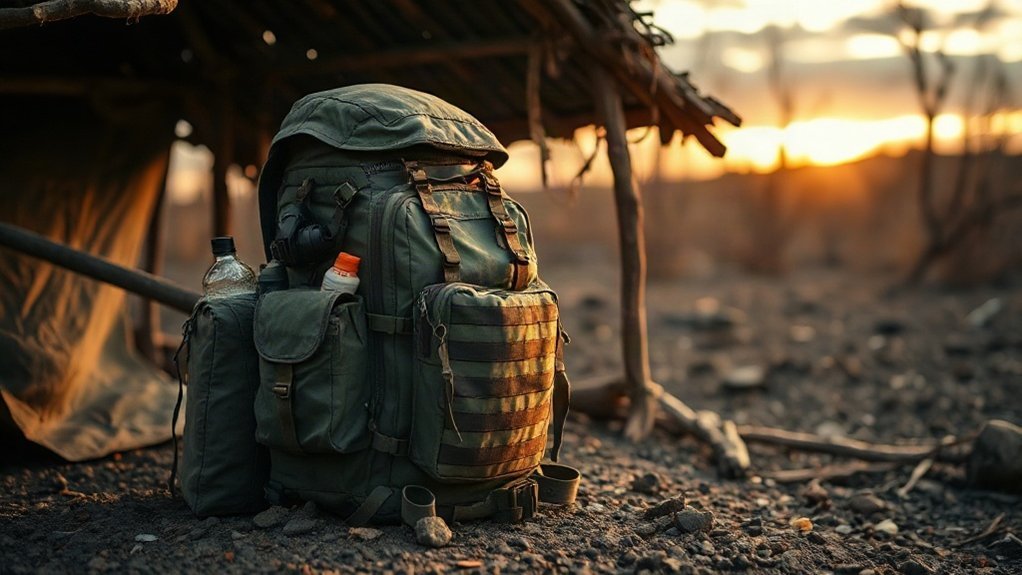
Special Forces packs taught me that preparing for the end of the world starts with the mission plan, not a shopping spree. I check required gear, then prioritize water, weather protection, sturdy boots, first aid, and reliable communication. I keep essentials accessible, organize supplies by task, and carry sensible backups for critical items like eye protection, batteries, and lights. I also pack hygiene and sleep basics to stay functional. Keep going, and I’ll share how to build that system.
Key Takeaways
- Build your packing list around the specific mission, duration, environment, and available support—not a generic “end of the world” checklist.
- Prioritize essentials that protect life and mobility: water, weather protection, first aid, suitable clothing, and reliable lighting.
- Keep frequently needed items accessible, and group equipment by task so you can find it quickly without unpacking.
- Plan for failures with backups for critical gear, such as batteries, eye protection, radios, and maintenance tools.
- Pack for sustained use by considering hygiene, foot care, sleep, and equipment maintenance—not just immediate survival.
Follow the Mission Requirements First
Before you buy gear, get the mission’s packing list and operation schedule from the contracting company. I’ve learned that freedom in the field starts with knowing what the job actually demands, not hauling everything I own. Uniforms, protective gear, radios, food, and lodging can vary by contract and exercise, so ask for a contract specific packing list and required equipment confirmation before you spend money or pack. The company usually shares packing lists and tactical details after hiring and signing the 1099 contract. Then match your load to the schedule: a two-week near-peer exercise with day and night operations may call for multiple uniforms, ballistic-rated eye protection for UTM and blanks, and a pouch for night-vision binoculars. Follow the official list, then add only useful backups, such as spare eye protection, a headlamp, or a compact first-aid kit. Organize your gear by quick access so you can find essentials fast when the mission calls for them.
Pack Water, Weather Gear, and Boots
Pack water in layers so you can drink without stopping to dig through your assault pack: wear a Core Ice Plate, carry a 4-liter MSR Dromedary in your pack, and keep a Nalgene bottle handy to refill from it. Layered water storage gives me options and helps me stay independent when I’m moving.
For a few hours in the field, I use a 14-liter assault pack for water, extra ammunition, and rain protection suited to the season. I add a pack cover to protect my equipment when I leave the pack at an objective rally point. I choose ankle support boots, such as Solomon Jungle boots, over low-cut shoes when terrain demands stability. I pair them with leg gaiters to help keep ticks, chiggers, and other bugs off me. Before setting out, I check that the pack’s MOLLE straps are secured so they’re less likely to loosen while I’m moving.
Prepare First Aid and Hygiene Supplies
After water, weather gear, and boots, I turn to first aid and hygiene. I pack a basic first aid kit with bandages, antiseptic wipes, gauze, and lip balm for minor injuries. I also carry two real-steel IFAKs: one mounted on my belt, the other close at hand. That setup helps me respond quickly without depending on anyone else.
For field hygiene, I bring foot powder, a toothbrush, toothpaste, soap, baby wipes, and thick toilet paper. Clean feet and simple washing can make long days more manageable, while the paper helps prevent irritation during extended outings.
In tick- and chigger-prone country, I check my skin for bites and cuts. I once needed antibiotics after tick bites; consult a medical professional about medication. A little preparation protects your health and keeps you more self-reliant. A military-style pack can help keep first aid and hygiene essentials organized and accessible in an emergency go-bag.
Maintain Radios, Tools, and Weapons
I keep backup radios ready in case my primary set fails. I pack a multitool—and a spare—to handle quick repairs and maintain my weapon. I also organize cleaning supplies in accessible pouches and bring a headlamp for low-light work. A rigid frame and secure load-bearing straps help keep a heavy MOLLE pack from sagging.
Keep Radios Ready
When the issued radio fails or isn’t available, a backup can keep you connected. I carry a couple of handheld radios, because a single point of failure can leave you cut off when reliable communication matters. I keep them close in my belt or assault pack, where I can reach them without rummaging through other gear. I also check radio batteries before heading out and pack spares suited to my equipment. A radio isn’t useful just because it’s in my bag: I perform signal checks with the people I may need to reach, confirm the channel, and make sure each unit works. That simple routine helps me stay in contact and make informed choices. For anyone who values self-reliance, dependable communications are more than convenience; they help preserve options when plans change.
Maintain Tools and Weapons
Because neglected gear can fail when you need it most, I keep maintenance essentials within easy reach in my belt or assault pack. I carry a compact weapon-cleaning kit with bore equipment, lubricant, and a wiping cloth. Knowing basic Bore cleaning techniques helps me keep my firearm dependable, while field weapon lubrication protects moving parts from wear. I also pack a multitool for quick repairs and practical field tasks; a spare gives me useful redundancy when one breaks or goes missing. I keep a backup handheld radio in case my issued set—sometimes a civilian-oriented Motorola model—fails or isn’t available. Spare batteries and a headlamp help me maintain gear and use the radio during night operations. Accessible tools and backups support self-reliance when conditions change and outside help can’t be counted on.
Pack Cleaning Supplies
What small supplies can prevent a field repair from becoming a bigger problem? I keep maintenance essentials within reach in my assault pack, so I can handle trouble without returning to my main supplies. For weapons, I pack a cleaning kit matched to what I expect to use; contracts may require one. Bore cleaning gear, lubricant, and a wiping cloth support routine upkeep. I consider lubricant selection carefully and follow the equipment’s guidance.
| Supply | Field use | Packing note |
|---|---|---|
| Cleaning kit | Weapon care | Match expected weapons |
| Multitool | Gear repairs | Consider a backup |
| Handheld radio | Backup communications | Check contract rules |
Issued radios may be civilian-oriented Motorola models, so I carry a backup handheld radio when permitted. These small choices help me stay capable and self-reliant.
Pack Backups for Critical Gear
If a critical item fails, I want a backup ready—not a gap in protection. I pack two pairs of ballistic-rated goggles; a damaged pair shouldn’t leave you exposed. I also carry spare optics and backup batteries, so essential equipment stays usable when conditions turn rough.
For hearing protection, I bring helmet-mounted Peltors with ARC adapters and over-ear protection that works with a hat. If issued radios are limited or built for civilian use, backup handheld Motorola radios help me keep communications in my hands. I pack more than one multitool and carry a headlamp as a backup light for field tasks or night operations.
I keep two real-steel IFAKs: one on my belt, another close at hand. Redundancy isn’t excess; it protects your freedom to act when a single item fails. Years of field use can reveal whether reinforced stitching holds up under the strain of a fully loaded pack.
Organize Supplies for Quick Access
I prioritize essentials by keeping water, ammunition, and rain protection in a small assault pack. I place night-vision gear, gloves, and first-aid supplies where I can reach them fast. You’ll want to organize your own kit the same way, with critical items ready when you need them. Unlike typical hiking packs, military-style packs often use modular attachment systems to let users adapt storage to their mission.
Prioritize Essential Gear
Keep essentials within easy reach instead of burying them in a large pack. My approach to essential prioritization starts with critical selection: carry what protects life, supports movement, and helps you respond when plans change. I keep water, ammunition, rain protection, and first aid in a belt or compact assault pack. Dedicated pouches group gear by task: a GP pouch holds night-vision binoculars, a belt-mounted IFAK handles urgent treatment, and another pouch contains marking panels, chem lights, or a multitool.
I carry a Nalgene for quick drinks and an MSR 4 L Dromedary in my assault pack for refills. I also bring a backup real-steel IFAK, spare headlamp, and extra handheld radios. A London Bridge 14 L pack suits a few hours afield; its cover protects gear staged at a rally point.
Keep Items Accessible
How quickly can you reach what you need? I keep immediate essentials where my hands can find them without digging. A Nalgene bottle rides within easy reach; an MSR 4 L Dromedary in my assault pack holds backup water I can pour into it.
I use a London Bridge 14 L assault pack for the few hours’ essentials: water, extra ammunition, and rain protection suited to the season. Keeping them together makes the pack simple to grab when plans change. For night operations, I store binocular night vision in a dedicated pouch, such as a Spiritus GP pouch. I secure gloves to my gear, perhaps in a belt pouch, so they don’t disappear when needed. Two real-steel IFAKs—one on my belt, one close by—and organized minor first-aid supplies keep accessible gear ready for prompt treatment.
Bring Sleep and Morale Essentials
Pack a Snugpak jungle bag and a familiar camping pillow to sleep more comfortably in barracks, and bring a book—such as *Dragonlance Chronicles*—for times without internet. I’ve learned that a little comfort can protect your focus when conditions get demanding.
I also pack morale reading and make room for hobbies that help me unwind. A few pages or another familiar interest can give my mind a reset between operations, without relying on a signal or a screen. That small choice helps me stay grounded and ready to make my own decisions.
Don’t assume every exercise offers the same comforts. Some keep you in the field for a week; others provide barracks, showers, shaving, and laundry. I check the packing list and laundry arrangements before I leave, then adjust my sleep and morale essentials to fit the plan. The added weight of military-style packs can be worthwhile on long trails when their durability and organization support the load you need to carry.
Frequently Asked Questions
What to Pack in a Doomsday Bag?
I’d pack a doomsday bag around your needs, terrain, and expected duration. Start with water, a bottle, a reservoir, and Water purification supplies, plus a plan to refill. Add food, a first-aid kit, headlamp, multitool, emergency shelter, rain protection, and weather-appropriate sleep gear and spare layers. I’d include sturdy boots, gaiters, hygiene and foot-care items, essential documents, and a small radio. Choose a pack you can carry comfortably and adjust it as conditions change.
What Is the 3-5-7 Rule in Packing?
The “3-5-7 rule” isn’t defined in the guidance I have, so I can’t confirm a standard meaning. Some travelers may use it as a personal formula for outfit planning, but I’d check the specific source before relying on it. For packing balance, I follow the official list, then add only useful backups. One practical benchmark: a two-week exercise calls for two weeks of undergarments and civilian clothes, not a mysterious universal rule.
What Is the Most Forgotten Item When Packing?
I’d say toiletries are the most forgotten packing item, especially toilet paper. You might remember clothes and gear, then discover you’ve skipped basic comfort. I use a Toiletries checklist: toilet paper, toothbrush, toothpaste, soap, wipes, foot powder, and a small first-aid kit. I also pack a medication backup and spare essentials when practical. These simple items help you stay comfortable and independent, wherever your plans take you. Don’t leave them to chance.
What Is the 3-3-3 Packing Rule?
The 3-3-3 packing rule means choosing three tops, three bottoms, and three pairs of shoes that work together. I use it for Capsule wardrobe planning and Travel outfit rotation, giving you more combinations without overloading your bag. Here’s the catch: it’s a flexible travel guideline, not a survival plan. For emergencies, I’d prioritize water, weather-ready clothing, hygiene supplies, and first aid instead. Adapt the rule to your trip and move freely.
Conclusion
Packing like special forces taught me that survival depends less on carrying everything than on choosing what matters. I start with the mission, then protect water, shelter, health, communication, and the essentials that keep me moving. I organize each item so I can reach it fast, and I make room for rest and morale. You don’t need a perfect pack—you need a dependable one. When the unexpected hits, preparation helps you keep your head above water.
References
[Get a Kit](https://www.ready.gov/kit)
[Emergency Preparedness and You](https://www.cdc.gov/prepare/)
[Survival Kits](https://www.nps.gov/articles/000/survival-kits.htm)