How Do You Choose Folding Tactical Knives With a Secure Locking Mechanism?
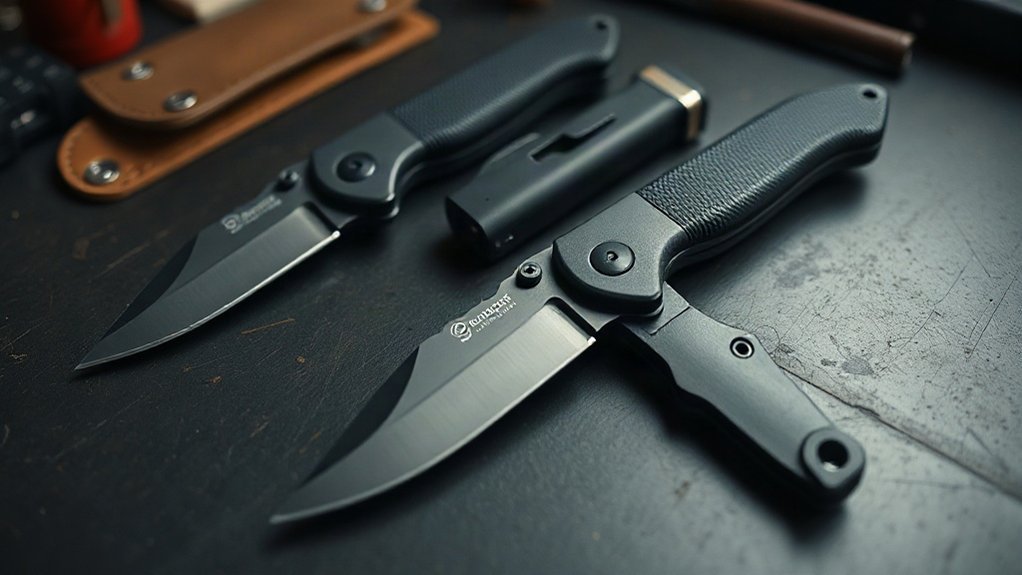
I choose a folding tactical knife by matching its size, blade shape, and carry style to the tasks I expect. I check that the lock engages firmly and releases as intended, then consider handle fit, grip, pocket bulk, and clip position. I compare steel for edge retention, toughness, corrosion resistance, and sharpening needs, and I check local carry laws before buying. A suitable trainer and qualified instruction can build safe handling skills; the details below help you compare your options.
Key Takeaways
- Choose a lock suited to your needs: frame, liner, back, and crossbar locks secure blades in different ways.
- Before buying, confirm the lock engages fully and releases smoothly without putting your fingers in the blade’s path.
- Match blade steel and shape to your tasks, balancing edge retention, toughness, corrosion resistance, and sharpening ease.
- Check that the handle fits securely and the knife’s size, weight, and clip placement suit your carry method.
- Learn safe handling with qualified instruction, and verify local laws on blade length, locking mechanisms, and carry.
How Do You Choose a Folding Tactical Knife?
Choose a folding tactical knife for the work you’ll actually do, whether that’s everyday carry, duty work, or outdoor use. I’d start by listing your daily tasks, then balance blade size and weight against how you’ll carry it. A pocket clip offers quick access, while a belt pouch may suit heavier use. Match the blade profile to the job: a drop point handles general slicing, a spear point balances slicing and piercing, and a tanto tip can puncture tougher materials.
Next, weigh budget considerations against practical performance. Stainless 14C28N resists corrosion and sharpens easily; 154CM typically holds an edge longer. Heat treatment matters, too, so I’d compare quality rather than rely on steel names alone. Choose a handle that fits your hand and stays nonslip; G10 and Micarta stand up to demanding use. Finally, select a thumb stud, thumb hole, or flipper you can operate confidently, and check local blade-length and carry rules before buying.
Which Folding Knife Locks Keep Blades Secure?
Because a folding knife’s lock helps keep the blade open under pressure, I’d check how it engages and releases before buying. A frame lock uses part of the handle to block the open blade, making Frame lock strength a practical consideration for robust use. A liner lock relies on a spring-loaded metal liner; I press it sideways to release the blade. For a back lock, a spring-loaded rocker bar’s lug engages a notch in the blade tang, and pressing the bar disengages it.
I’d also consider Tri Ad lock durability. This design adds a stop pin to absorb force, while its tapered lug can seat deeper as the lock wears. A crossbar lock, such as the AXIS Lock, moves a spring-loaded bar behind the blade tang; pulling the bar back releases it. I’d choose a mechanism I can operate confidently and inspect easily, so the lock supports dependable use without limiting my freedom to carry and handle the knife responsibly.
Which Blade Steel and Shape Fit Your Tasks?
When I compare folding knives, I match the steel and blade shape to the work I expect to do. I weigh edge retention, toughness, corrosion resistance, and sharpening freedom.
| Steel | Strength | Care |
|---|---|---|
| 14C28N | Corrosion resistant | Sharpens easily |
| 154CM | Holds an edge | Sharpen as needed |
| N690 | Tough, balanced edge | Routine care |
D2 also holds an edge, but it’s semi-stainless; I clean and dry it after use. I oil carbon steel to help prevent rust. Heat treatment matters, too: well-treated ordinary steel can beat poorly treated premium steel.
For blade profiles, I choose a drop point for versatile slicing, a clip point for precise piercing, or a spear point to balance piercing and cutting. A reinforced tanto tip suits puncturing hard materials. I also consider field sharpening: simple shapes are easier to maintain than complex curves. These steel tradeoffs help me choose a capable tool for independent work without overbuying features I won’t use.
How Should a Tactical Knife Fit Your Hand and Pocket?
After matching the blade to your tasks, check how the knife fits your hand and pocket. I look for Grip Comfort first: the handle should sit securely in my hand without forcing my fingers into an awkward position. A nonslip texture and a shape that resists slipping or twisting help me stay in control during use. Match the handle’s size and shape to the work you expect it to do, then test the grip before deciding.
For Pocket Fit, consider both blade size and the knife’s overall bulk. A smaller model can ride in a front pocket while leaving room for everyday essentials; a larger one may suit a back pocket better. I also check whether the clip supports my preferred carry position, including tip-up or tip-down and left- or right-side placement. Finally, feel the handle texture against your clothing. Aggressive texturing can wear pocket fabric or become uncomfortable over time, so choose a practical balance.
What Training and Laws Apply to Knife Carry?
Before carrying a folding tactical knife, I’d get qualified instruction in its safe handling. Qualified instruction helps me learn how my knife’s opening and locking mechanisms work, especially on one-handed designs. I’d practice deployment and safe handling with a suitable trainer, such as the CRKT Provoke Trainer (4041T), before carrying the live knife.
I’d also make carry law checks before carrying or traveling. Rules can vary by local, state, and federal jurisdiction, and may depend on blade length, opening mechanism, design, carry method, location, or profession. I’d verify open- and concealed-carry rules, then check destination laws; Germany, the United Kingdom, the Netherlands, and Norway each have distinct regulations.
- I’d confirm restrictions for my specific knife and intended carry method.
- I’d check whether my situation requires training or certification.
- I’d maintain the knife and follow every applicable rule.
Knowing the law protects my freedom to carry responsibly, while disciplined practice helps me avoid preventable injuries. I’d verify current requirements with authoritative local sources before carrying.
Frequently Asked Questions
What Is the Best Locking Mechanism for a Folding Knife?
I don’t think one locking mechanism is best for every folding knife; I’d match it to your workload, preferred operation, and experience. For heavier use, I’d consider a frame lock or Tri-Ad Lock; for easy handling, I’d look at a liner lock or AXIS-style crossbar lock. Check mechanism durability, solid engagement, and blade play, and review Lock strength testing when available. I’d avoid treating a slip joint as a positive lock.
What Is the Best Pocket Knife With Locking Blade?
I’d choose the CRKT M16-03DB as a strong all-around pocket knife: its 3.58-inch D2 blade, assisted opening, deep-carry clip, and Deadbolt® lock offer capable, secure carry. Like a key that opens a path, the right knife supports confidence without limiting your freedom. I’d also compare Blade steel, handle materials, size, and lock style against your tasks and comfort. Check local rules before carrying it, since restrictions vary.
What Tactical Knife Do the Navy SEALS Use?
There’s no single folding knife that every Navy SEAL uses; I can’t confirm that any specific CRKT or RUIKE model is SEAL-issued. Navy SEAL knife selection varies by mission, unit, and personal preference, while military knife requirements depend on the task. I’d assess a knife’s lock, blade steel, grip, and fit instead of trusting marketing claims. Check local carry laws, and get qualified instruction before carrying or training with one.
Which Is Better, a Button Lock or a Crossbar Lock?
Neither lock is universally better; I’d choose the one you can operate confidently. Which release feels more natural in your hand? Button Lock Safety comes from a spring-loaded button that blocks the blade tang and retracts when pressed. A crossbar lock releases when you pull its spring-loaded bar rearward. Crossbar Lock Durability may benefit from the bar’s ability to accommodate some wear, but I’d assess each knife’s construction before deciding.
Conclusion
I choose a folding tactical knife by matching its lock, blade, and grip to the work I actually do—not the dramatic rescue I imagine. A secure lock matters, but it won’t make careless handling safe. I check local laws, practice opening and closing the knife responsibly, and carry it where it belongs. Ironically, the best tactical knife may be the one I rarely need to use. Choosing thoughtfully keeps confidence sharp and trouble folded away.