Which Survival Tarps Give You the Most Coverage for the Money?
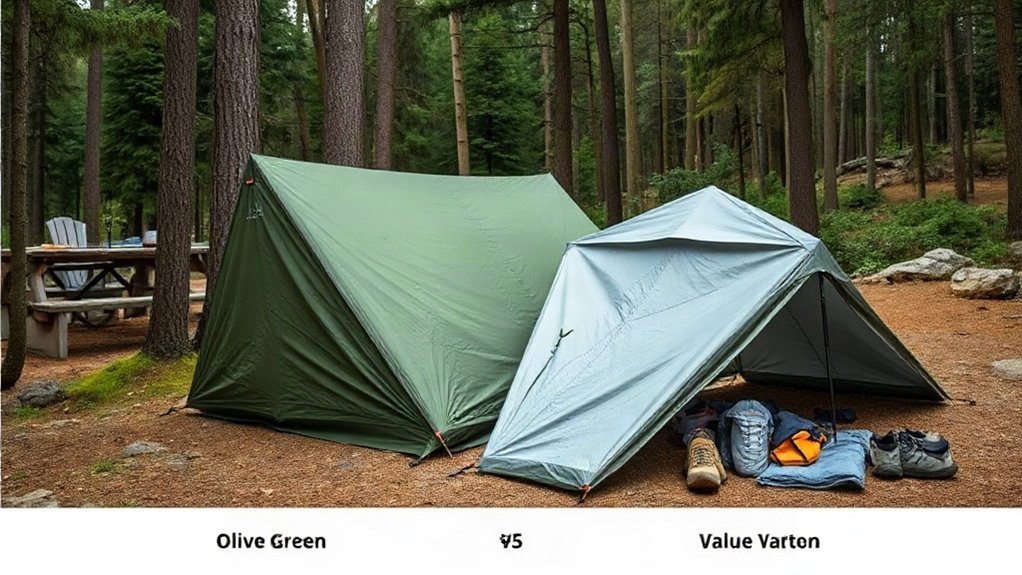
I’d pick the Grizzly 6 × 8 ft tarp for the lowest-cost coverage: about $9 buys 48 sq ft, though its light 5-mil polyethylene suits basic, shorter-term protection. For more area, the White Duck 8 × 10 ft covers 80 sq ft for about $30, but its 73-ounce weight makes it better for a vehicle or home kit than backpacking. I’d choose AquaQuest for packable shelter or Bushcraft USA for bushcraft; below, I’ll compare their trade-offs.
Key Takeaways
- White Duck Heavy Duty offers the most coverage per dollar: 80 sq ft for about $30, or roughly $0.38 per square foot.
- Grizzly is the cheapest option: 48 sq ft for about $9, roughly $0.19 per square foot, but its lightweight build is less durable.
- Bushcraft USA provides 70 sq ft for $48, about $0.69 per square foot, with multiple tie-outs for shelter setups.
- AquaQuest Defender covers 70 sq ft for about $99, making it a pricier choice focused on waterproof performance and versatility.
- For budget value, choose Grizzly for basic coverage or White Duck for a larger, heavier-duty tarp suited to home or vehicle kits.
Which Survival Tarp Offers the Best Value?
If you want basic emergency coverage at the lowest upfront cost, the Grizzly Tarps 6 × 8-foot polyethylene tarp is the best value at about $9. I’d choose it when you need inexpensive gear for a vehicle kit, day pack, or simple tarp shelter. At 9.6 ounces, it’s easy to carry, and its eight aluminum-grommet attachment points give you practical setup options. You’ll get less coverage and reinforcement than with larger models, but the low price makes basic preparedness accessible.
If you expect frequent use or need more room, I’d consider the White Duck Heavy Duty 8 × 10-foot tarp at about $30. It has 22 attachment points, brass grommets, and double-reinforced tie-outs, though it weighs 73 ounces. The Bushcraft USA 10 × 7-foot costs $48; its 14 perimeter tie-outs and ridgeline point suit flexible pitches. Among these survival tarps, I’d pay more only when added coverage or durability justifies it. Unlike a heavy blue poly tarp, a survival tarp with reinforced tie-outs can pitch taut in wind and pack down small.
How Do Survival Tarps Compare?
Survival tarps trade coverage, durability, weight, and price, so I’d match the model to how you’ll carry and use it. For vehicle kits, I’d choose broad, affordable polyethylene; for a pack, lighter nylon saves weight and supports flexible travel.
| Tarp | Coverage and weight | Price and standout |
|---|---|---|
| White Duck | 8 × 10 ft; 73 oz | About $30; 16-mil build, 22 attachment points |
| AquaQuest Defender | 7 × 10 ft; 38.4 oz | About $99; 70D nylon, 20,000 mm waterproof rating |
| Bushcraft USA | 10 × 7 ft; 1 lb 1 oz | $48; 14 loops, ridgeline tie-out |
The White Duck gives you room to shelter gear, but its weight limits backpack use. AquaQuest costs more yet travels easier. Bushcraft USA offers a middle ground, with a 10 × 10-foot option for $60. For minimal cost, the 9.6-ounce Grizzly costs about $9, though its 5-mil polyethylene is less durable. I’d reserve it for basic cover, not demanding trips. A waterproof tarp can also serve as a ground sheet, but size and material affect comfort. An 8 × 10-foot coated nylon or sil-poly tarp weighing around a pound can provide lightweight insurance on nearly any hike, especially when paired with a bivy or space blanket.
Arcturus Insulated: Best Survival Tarp Value
For about $25, I’d choose the Arcturus Insulated for reusable ground cover or a compact rain fly: its 5 × 7-foot surface provides 35 square feet, and its 10-mil polypropylene-and-Mylar build weighs 22.4 ounces. That gives you a practical footprint without the bulk of a larger shelter, and the price leaves room in your kit for other essentials.
Mylar reflects heat, making this reflective tarp useful when you need extra warmth beneath you or overhead. Unlike a disposable emergency blanket, its polytarp construction is more reusable, so you can pack it for repeated trips. Four corner attachment points with reinforced stainless-steel grommets let you secure it as a ground sheet or pitch it as a rain fly.
A ground sheet can also serve as an emergency shelter component, windbreak, rain catch, or signal panel.
I’d accept two trade-offs: it’s noisier and less flexible than fabric options. Still, if you want affordable, adaptable coverage and don’t mind a crinkly feel, this tarp offers strong value and helps you travel independently.
AquaQuest Defender: Durable Bushcraft Tarp
If you need a tougher shelter than the Arcturus, I’d consider the AquaQuest Defender: its 70D nylon, TPU coating, and 20,000 mm waterproof rating suit demanding bushcraft use. The 7 × 10-foot model weighs 2.4 pounds, so I’d favor it for durability over a lighter bug-out load; it also comes in five sizes and seven colors. At about $99, it offers sturdy construction, but I’d look elsewhere if low weight or price matters more. With proper care, quality tarps can last five to ten years of regular use, though abrasion points and attachment loops may wear first.
Durable Waterproof Construction
When I need a tarp that can handle hard rain and rough use, the AquaQuest Defender’s 70D nylon and TPU coating offer a sturdy, waterproof build. Its durable waterproof construction balances flexible fabric with a waterproof coating, giving me confidence to camp beyond easy-access trails.
- Rain protection: A 20,000 mm waterproof rating is built for serious downpours, helping keep my shelter dry when weather turns.
- Secure pitching: On the 7 × 10-foot model, 21 attachment points, polypropylene loops, and reinforced tie-outs let me adapt the setup to trees, poles, or changing wind.
- Rugged trade-off: Compared with lighter, simpler tarps, this one emphasizes dependable shelter over minimal pack weight.
I’d choose it when reliable rain protection matters more than carrying the lightest possible kit, and I want room to pitch freely in varied conditions.
Sizes, Weight, and Value
The AquaQuest Defender comes in five sizes, and the reviewed 7 × 10-foot model gives me 70 square feet of coverage at 2.4 pounds. That’s a practical footprint for one person, though an 8 × 10-foot tarp offers more room while remaining portable. For two people, I’d consider a 10 × 12-foot option instead.
At 38.4 ounces, this isn’t a lightweight choice for a bug-out bag. Its 70D ripstop nylon, TPU coating, and reinforced build add weight, but the 20,000 mm waterproof rating and 21 attachment points support adaptable shelter setups. I’d accept the packability trade-off when durability and weather protection matter more than trimming every ounce.
At about $99, it costs more than budget tarps. I find its value strongest when dependable coverage matters more than the lowest price.
White Duck Heavy Duty: Best Emergency Tarp
For home emergencies, roof repairs, or flood control with sandbags, I’d choose the White Duck Heavy Duty over a lighter tarp: its 16-mil polyethylene, 22 attachment points, and reinforced tie-outs are built for rugged use. The 8 × 10-foot model weighs 73 ounces, so I’d keep it in a vehicle or home kit rather than carry it far. At about $30 when reviewed, it offers substantial coverage and sturdy construction for the money; prices may change.
A tarp is a reusable shelter system that takes skill and cordage to set up.
- Built to anchor: Brass grommets, folded edges, and double-reinforced tie-outs give me more confidence when I secure it with stakes.
- Made for hard jobs: Its 1616 weave uses 8-ounce-per-square-yard material, unlike a lighter polyester tarp suited to less demanding coverage.
- Flexible sizing: White Duck offers 24 sizes, from compact options to a 100 × 100-foot tarp weighing over 550 pounds.
- Choose by mission: I’d use it as a wind break or cover, but its bulk limits freedom on foot.
Grizzly Tarps: Lowest-Cost Survival Tarp
If low cost and portability matter most, I’d choose the Grizzly Tarps 6 × 8-foot model: it weighs just 9.6 ounces and costs about $9, making it a light, affordable option for basic shelter or gear protection. For less than many alternatives, you get practical coverage without adding much weight to your pack.
The 5-mil polyethylene tarp has an 88 weave and eight aluminum-grommet attachment points. I’d use those tie-outs for a quick setup over a small sleeping area or to keep equipment off wet ground. Its compact size makes campsite selection important: look for enough room to pitch it and avoid sharp branches or rocks that could damage the material.
Grizzly offers 10 sizes, so you can choose a larger, versatile option while keeping to your budget. I’d treat this as basic emergency coverage, not a tarp to leave exposed for long periods; prolonged sunlight can wear it down. For a low-cost, portable shelter, it gives you room to travel light and stay flexible. Paired with cordage and stakes, a tarp can provide immediate overhead protection without requiring poles.
ProTarp Extreme Canvas: Heavy-Duty Tarp

I’d choose the ProTarp Extreme Canvas over a budget tarp when rugged construction matters: its 20-ounce polyester, reinforced corners, and double-stitched hems are built for hard use. The tested 5 × 7-foot model costs about $47, and 24 sizes are available. Its waterproof treatment may wear down, so I’d refresh it with DWR spray—not oil, which can damage the synthetic fabric. To help prevent cracking, dry the tarp completely and store it folded loosely along the same lines rather than sharply creased or compressed in heat.
Heavy-Duty Construction
Built for rougher use, the ProTarp Extreme Canvas pairs 20-ounce polyester with a 36-mil thickness; our tested 5 × 7-foot tarp costs about $47, and 24 available sizes let you trade added coverage against price and weight. For independent travel, its construction matters as much as its fabric: reinforced corners, folded hems, and double stitching help it withstand repeated setup and strain. Ten attachment points with oversized brass grommets give you flexible tie-down options when pitching a rain fly or securing a windproof shelter. Don’t mistake durability for fire protection: this isn’t fire-resistant fabric.
- Reinforced corners resist wear at stress points.
- Folded hems and double stitching strengthen the edges.
- Brass grommets support sturdy, adaptable anchoring.
- Waterproof treatment can fade; refresh water resistance with DWR spray, not oil, which can damage the synthetic material.
Size And Value
At about $47 for the tested 5 × 7-foot size, the ProTarp Extreme Canvas covers 35 square feet at a weight and thickness suited to rugged use, not lightweight travel. I’d compare that price with lighter tarps if every ounce matters; at 36 mil thick and 20 ounces, this one favors durability over easy packing.
You can choose from 24 sizes, so you’re not locked into the test dimensions. I’d size up when you need more room for a ridgeline shelter, a lean-to pitch, or dependable shade, then weigh the added coverage against your budget. Ten attachment points, oversized brass grommets, reinforced corners, and double-stitched hems help make the usable area practical to rig. For a fixed camp or vehicle kit, that coverage and rugged build make the price easier to justify than for a trek where freedom means carrying less.
Care And Waterproofing
That rugged construction still needs upkeep: the ProTarp Extreme Canvas’s waterproof treatment can wear off, so inspect it periodically and apply a DWR spray when water stops beading.
I’d check its 36-mil polyester body, reinforced corners, folded hems, and double stitching before heading out. Unlike silnylon or dyneema composite fabric, this heavy-duty tarp needs attention to its coating and hardware, not just its seams. For reliable shelter without needless weight or expense, I’d follow four simple checks:
- Look for worn or damaged areas after each trip.
- Spray DWR evenly when rain no longer beads.
- Skip oil; it can degrade the synthetic polyester.
- Inspect all ten attachment points and oversized brass grommets on the tested 5 × 7-foot model.
I’d reserve seam sealing for actual seam leaks; upkeep helps keep this tarp ready for independent travel.
How Do Material, Size, and Weight Matter?
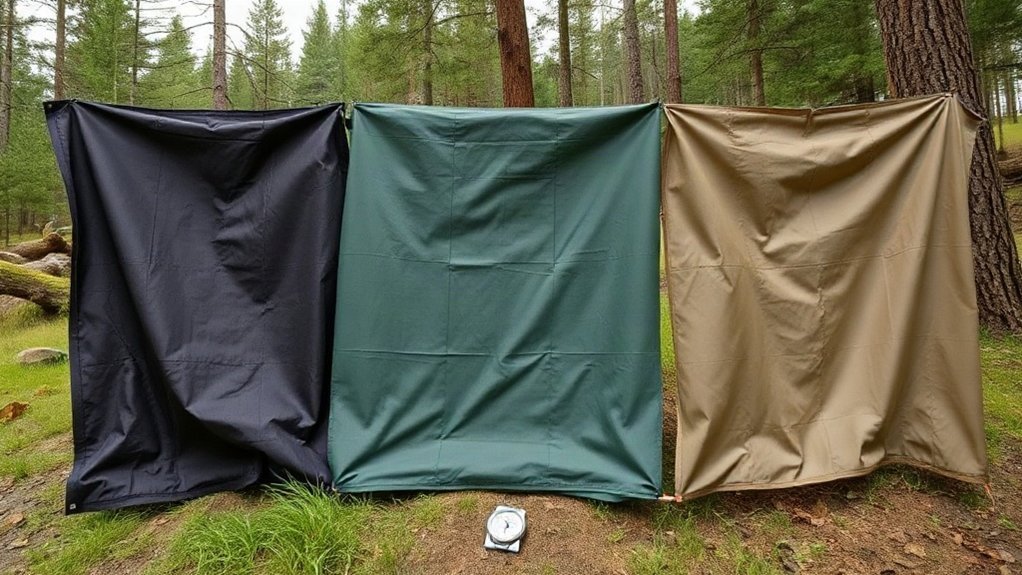
When you’re choosing a survival tarp, weigh material, coverage, and carry weight together: polyethylene is an affordable, waterproof choice for broad coverage, while lightweight, weather-treated nylon packs more easily for portable shelters. I’d choose heavier-duty polyethylene when tear resistance and reinforced corners matter more than pack weight. For a mobile setup, ripstop nylon offers a lighter balance and helps resist tearing.
Size determines how much freedom you have under cover. A 7 × 10-foot tarp can shelter one person; 8 × 10 feet balances coverage and portability. Choose 10 × 12 feet for two people or 12 × 16 feet for a group or base camp. Shelter shapes affect coverage, too: a hammock tarp, diamond tarp, or hex tarp may suit different pitches, so compare dimensions rather than relying on the label.
I’d reserve bulky options like the 73-ounce White Duck 8 × 10 for vehicle or home kits; lighter tarps travel more easily on foot.
Which Survival Tarp Fits Your Kit?
Which tarp fits your kit depends on how you’ll carry and use it. I’d match coverage to your route, load, and need for reliable shelter, rather than buying the biggest option.
Choose a tarp for your route and load, balancing coverage, carry weight, and the shelter you need.
- For backpacking or a lightweight bug-out kit, I’d choose the 7 × 10-foot AquaQuest Defender. At 2.4 pounds, its 21 attachment points and 20,000 mm waterproof nylon balance durable coverage with manageable weight for a tarp tent.
- For a tight budget, the 6 × 8-foot Grizzly weighs just 9.6 ounces and costs about $9. I’d shield its 5-mil polyethylene from sharp gear and prolonged sun.
- For a home or vehicle kit, the 8 × 10-foot White Duck offers broad coverage and 22 tie points. At 73 ounces, it’s bulky to carry, but suits a shelter half or group backup.
- For compact thermal protection, I’d pack the 22.4-ounce Arcturus. Solo bushcraft? The 1-pound, 1-ounce Bushcraft USA 10 × 7-foot tarp has 15 tie-outs; its 10 × 10 version adds versatility.
Frequently Asked Questions
What Is the Best Tarp for the Money?
I’d pick the Bushcraft USA 10 × 7-foot tarp as the best value if you want useful coverage without hauling excessive weight. At $48, it weighs just 1 pound 1 ounce and offers 14 loop tie-outs for flexible shelter setups. If you’re focused strictly on the lowest price, Grizzly’s $9 tarp is hard to beat, but it’s smaller and less suited to repeated, demanding use.
What Is the Strongest Tarp Available?
I’d choose the White Duck Heavy Duty as the strongest well-supported option, though the available details don’t prove it’s strongest overall. Its 8-by-10-foot model uses 16-mil polyethylene, a 1616 weave rated at 8 ounces per square yard, and 22 attachment points with brass grommets and double-reinforced tie-outs. The ProTarp Extreme Canvas is thicker at 36 mil, but thickness alone can’t establish strength; no comparable test results confirm it outperforms White Duck.
What Is the Best Size Tarp for Survival?
I’d choose an 8 × 10-foot tarp as the best all-around survival size: it balances useful coverage, portability, and flexible shelter setups. If you’re sheltering with another person or want extra room, I’d step up to 10 × 12 feet. A 6 × 8 or 7 × 10 can work for solo emergencies, while 12 × 16 suits a group or base camp but weighs more and limits mobility. I’d match size to my kit.
What Is the Best Lightweight Emergency Shelter?
For a lightweight emergency shelter, I’d choose the 6 × 8-foot Grizzly polyethylene tarp: it weighs just 9.6 ounces and costs about $9. Need extra warmth or more coverage? The 7 × 10-foot Arcturus Insulated tarp weighs 22.4 ounces, costs around $25, and reflects heat with its Mylar layer. I’d pick the Grizzly for solo portability and freedom to move; choose Arcturus when thermal reflection matters more than minimum weight.
Conclusion
I’d choose a survival tarp by weighing coverage, durability, and cost—not price alone. Arcturus offers strong value when insulation matters; AquaQuest suits repeated bushcraft use, while White Duck and ProTarp favor heavy-duty protection. Grizzly Tarps can stretch a tight budget, but check its material and dimensions against your needs. Think of your tarp as a portable roof: size, weight, and weather resistance determine how well it shelters you. I’d match those trade-offs to my kit before buying.
References
*Leave No Trace Seven Principles*, https://lnt.org/why/7-principles/
*Ten Essentials*, https://www.nps.gov/articles/10essentials.htm
*Camping & Hiking: Gear*, https://www.rei.com/learn/expert-advice/camping-and-hiking-gear.html
2 comments