Army Surplus vs. Modern Tactical: Which Survival Bag Actually Wins in the Wild?
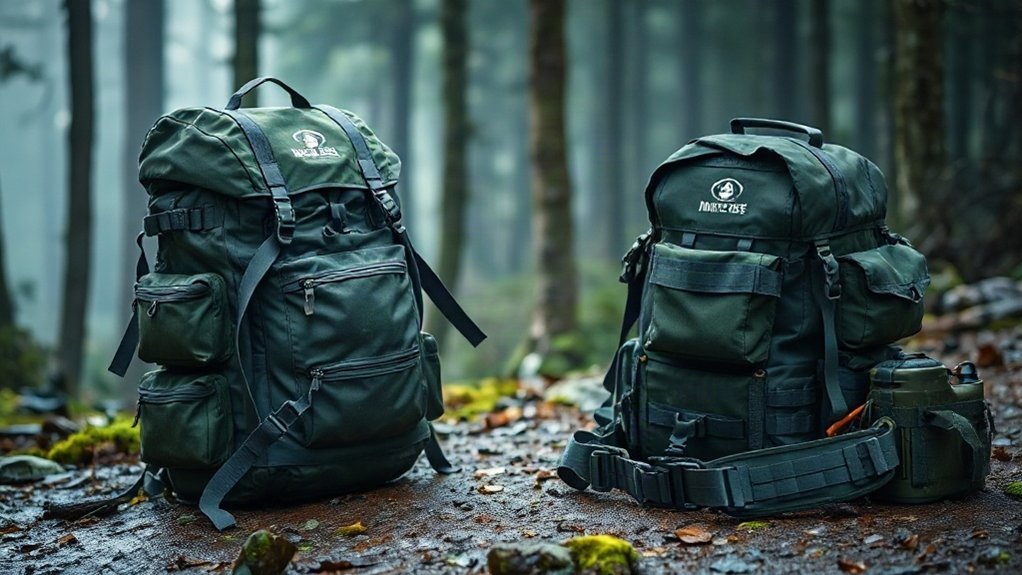
I don’t assume army surplus or modern tactical gear wins by default. I compare each item’s condition, useful functions, required skills, and weight against current alternatives. Surplus signals, saws, or fishing kits can earn a place if they’re intact, practical for the terrain, and worth carrying. I also reserve room for shelter, water purification, and modern first-aid supplies. The best survival bag fits your trip and skills; a closer look can help you choose wisely.
Key Takeaways
- Choose gear by function, condition, weight, and your skills—not by whether it is military surplus or modern tactical.
- Compare durability, price, and usefulness; inspect surplus for age-related wear, corrosion, damaged blades, and unreliable signaling devices.
- Favor versatile tools, but keep the bag light and reserve space for shelter, water purification, and modern first-aid supplies.
- Match signals to conditions: pin flares and strobes can attract attention, while an orange panel and mirror offer compact daytime options.
- The better bag is the one suited to your terrain and trip, with reliable gear you can use—not simply the most military-looking kit.
How Do You Compare Survival Gear?
When you compare survival gear, start with what each item does—not whether it’s surplus or modern tactical equipment. I judge a signal device by visibility, range, and ease of carrying. Pin flares take little space, so I can carry several; a signal panel folds to pocket size and can be hung, waved, or worn. I also check performance in relevant conditions: one military strobe is reported visible at 2,000 meters and detectable by aircraft using night-vision goggles.
For tools, I look for versatility and repairability. A commando saw cuts wood and metal, and I can reattach its D-ring to a shortened blade if it breaks. My skills assessment includes condition and completeness, not just function. In a cost comparison, account for upkeep: surplus fishing kits may have rusted parts or failing tape, while newer kits may use plastic containers. When choosing a budget-friendly military-style backpack, check for authentic surplus markings and construction to help avoid knockoffs.
Which Survival Gear Fits Your Use Case?
The best survival gear depends on what you need to do and how much space you can spare. I’d match each item to a task, then leave room for Personal shelter and water purification essentials. A consistent layout supports quick gear access when you need to find equipment fast.
| Use case | Gear | Practical fit |
|---|---|---|
| Lightweight distress | Pin flares | Six per magazine; launch about 100 meters |
| Low-bulk signaling | Aviator panel or strobe | Hang, wave, or wear panel; strobe reaches reported 2,000 meters |
| Cutting or trapping | Commando saw and snare wire | Fits a cargo-pocket kit |
| Food gathering and repairs | Marine Corps fishing kit | Hooks, line, weights, mirror, foil, blade, needles |
| Compact utility | Camillus demo knife | Processes fish or game; opens cans and bottles, drives screws |
I’d choose based on likely tasks, not labels: each option trades space, versatility, and specialized function.
When Do Surplus Signals Work Best?
I use an orange aviator panel for a high-visibility daytime signal, hanging it in a tree or waving it to attract rescuers. At night, a military strobe can help aircraft spot me, and its infrared mode may be detected through night-vision goggles. For a compact distress signal, I carry pin flares; a blue strobe filter can also make signaling more directional. These signaling tools can make a go-bag more useful in an emergency.
High-Visibility Day Signals
For daytime visibility, I’d choose a bright-orange aviator panel or a flare over a strobe. A compact Orange Panel unfolds to roughly shemagh size, giving me a lightweight Daylight Beacon I can carry without sacrificing much space. I can hang it in a tree as a passive marker or wave it to draw attention, then move on if circumstances change.
- Choose a panel for repeated, low-effort marking.
- Place it high and clear of foliage when possible.
- Use a pin flare for a brief, active alert to search-and-rescue aircraft.
- Treat the stated 100-meter (300-foot) flare range as an estimate, not a guarantee.
I’d reserve a military strobe’s white-light mode for low-light signaling; its infrared function doesn’t help ordinary daytime visibility. The right choice depends on terrain, urgency, and whether I need a reusable marker or a short, conspicuous burst.
Infrared Night Detection
After daylight fades, an older FRS/MS 2000 strobe can send an infrared signal that search-and-rescue aircrew may detect through night-vision goggles. This IR strobe detection works best when equipped aircraft are searching after dark; the available information gives no reliable detection range for its infrared mode. I’d treat it as a specialized backup, not a guarantee of rescue. The strobe’s visible flash has been reported at about 2,000 meters, but that figure doesn’t establish infrared performance. For night vision signaling, check the unit’s condition and controls before relying on it, and keep the right to choose how you signal. Removing the infrared cover enables white light. A blue film cover can narrow visibility from other sides. You can mount the strobe on a helmet for movement or place it high for a passive signal.
Directional Distress Signaling
When search aircraft may approach from only one direction, a blue-film cover can make a military strobe more visible to crews while limiting light toward other areas. I’d use this Directional strobe when I need controlled aerial signaling rather than broad illumination.
- The FRS/MS 2000’s infrared signal works with aircrew night-vision goggles when visible light could compromise discretion.
- Red star-cluster pin flares launch and ignite overhead; the presenter estimates about 100 meters (300 feet) of range.
- I can hang an aviator signal panel in a tree to signal passively or wave it when movement is safe.
- I can place a compact strobe high for passive detection or mount it on my helmet while moving.
Surplus signals work best when their limits match conditions: aircraft direction, visibility, equipment, and my ability to move safely.
Are Modern Signaling Tools More Reliable?
Modern military signaling tools give you several ways to attract rescuers, but that doesn’t prove they’re more reliable than commercial alternatives. I’d compare each device’s Signal device lifespan and activation consistency, not its military label. A typical pin-flare magazine carries six red star-cluster flares, launched individually to alert search-and-rescue aircraft. That gives you repeated opportunities, but you still need to operate each flare correctly.
An older FRS/MS 2000 strobe is reported visible up to 2,000 meters; its infrared signal can reach aircrew using night-vision goggles. Remove its infrared cover for white light, or add a blue filter for a more directional signal. An orange aviator panel works passively in a tree or actively when waved, but only if searchers can see it. These options broaden signaling methods; the facts don’t establish superior reliability over modern commercial gear.
Do Surplus Fishing Kits and Saws Pay Off?
I’d assess a surplus fishing kit by its range of hooks, weights, and lures for freshwater and saltwater, along with its repair line and multipurpose foil. A compact commando saw can cut wood or metal, and its D-rings offer several setups, including a shorter configuration if the blade breaks. Before relying on either, I’d inspect older kits for rust or deteriorating tape and compare their condition with newer versions. For years of hard use, durable materials and sound construction matter just as much in a backpack as they do in survival gear.
Fishing Kit Versatility
A surplus fishing kit earns space through its range of uses, not just its chance of catching dinner. I’d check each item before relying on it: Marine Corps kits can include hooks, weights, leaders, spoons, treble hooks, two line types, and saltwater and freshwater instructions. That range gives me options across locations and conditions.
- Needles and line support quick Gear Repair when a strap or seam fails.
- Foil can handle Improvised Cooking, hold a small amount of water, or signal rescuers.
- Rusted components and deteriorating tape can make older kits unreliable; inspect them before packing.
- Newer commercial versions often use plastic containers, which may protect contents better.
I’d weigh that utility against the kit’s condition and my ability to fish. It won’t guarantee food, but sound components can serve several practical needs without tying me to one plan.
Saw Utility and Longevity
Fishing kits and saws earn their space in different ways: one supports food gathering and repairs, while the other expands what you can cut and build. I value the commando saw’s versatility: its D-ring handles let me use it directly, add toggles, or configure it as a bow saw. The blade cuts wood and metal, helping me make field crafted tools. Saw blade longevity isn’t unlimited, but the spare blade and repair option improve its service life. If a blade breaks, I can remove a D-ring and the damaged section, then reattach the ring and keep cutting with a shorter saw.
A Marine Corps fishing kit adds hooks, weights, leaders, two lines, and instructions for fresh or salt water. Needles and line mend gear; foil cooks fish or signals. I’d carry either when its tasks justify the weight.
Which Surplus Tools Earn a Place in Your Bag?
Choose surplus tools by the problems they solve, not by their military pedigree. I’d prioritize equipment that handles several needs without crowding out water, shelter, or food. Signaling gear can improve rescue chances, while compact tools may support repairs and basic food gathering. My choices depend on terrain, skills, and whether I can carry the added weight.
- Pin flares and an orange aviator panel provide compact visual rescue signals; a six-flare magazine offers several attempts.
- A strobe adds night visibility, with a claimed 2,000-meter range and infrared mode for crews using night-vision goggles.
- A commando saw cuts wood and metal; snare wire supports basic small-game snares.
- A fishing kit combines hooks, line, weights, leaders, and a mirror. A Camillus knife’s knife tool functions include opening cans and bottles and using its awl; field dressing uses include covering cuts and controlling bleeding.
MOLLE backpacks can add unnecessary weight on weekend hikes when their webbing and attachments encourage carrying more than the trip requires.
How Do You Check Surplus Gear?
Before I rely on surplus gear, I inspect its condition and test every function. I check surplus shops, trade shows, antique stores, and reputable online sellers, then compare prices and features with modern reproductions. Authenticity verification matters, but a genuine item isn’t automatically dependable.
I look for age-related wear that could cause failure. An old Marine Corps fishing kit, for instance, may have deteriorating tape and rusted contents. I test a pin gun’s trigger, confirm its flares are intact, and examine saw blades, wire, and hooks for corrosion or damage. For electronics, I test both visible-light and infrared strobe signals.
I treat expired dressings as bandages, not sterile supplies, and supplement dated medical gear with modern first-aid items. Careful storage and upkeep can help, but testing—not age or reputation—guides my decision. For backpacks, I also inspect stitching integrity at stress points to judge whether seams can withstand years of field use.
How Do You Build a Balanced Survival Bag?
I build a balanced survival bag around compact essentials for signaling, cutting and repairs, food procurement, and first aid rather than relying on one multipurpose item. I’d choose tools I can use and maintain, keeping the kit light enough to carry while preserving options if plans change.
- Signal: Pack lightweight pin flares, an orange panel you can hang, wave, or wear, and a strobe for night use. A mirror adds another daytime signal.
- Cut and repair: Carry a small commando saw and snare wire for basic cutting and small-game snares.
- Procure food: Add hooks, line, weights, and needles. Food ration planning should account for supplies already packed.
- Treat injuries: Set first aid priorities around a field dressing and modern medical supplies; an expired dressing can still cover a cut or laceration.
On long trails, extra pack weight can make a military-style backpack less practical than a lighter modern alternative.
Frequently Asked Questions
What Is the Best Survival Bag?
The best survival bag is the one that fits your environment, skills, and likely rescue needs; I wouldn’t choose by label alone. For a Best survival pack, I’d prioritize wilderness gear durability, comfortable carry, and supplies I can use confidently. A compact tin might hold a commando saw, snare wire, and fishing gear. I’d also pack a field dressing and varied signals, such as pin flares, an orange panel, and a strobe.
Is It Illegal to Wear Military Surplus?
No, wearing ordinary military surplus gear generally isn’t illegal. I’d distinguish practical items—like a signal panel, knife, or field dressing—from impersonating service members. Wearing surplus uniforms can raise concerns if you add official insignia or falsely claim military status; military insignia laws vary by location. Before wearing a complete uniform or items resembling official credentials, I’d check local rules. You can find surplus gear through shops, trade shows, antique stores, and online sellers.
What Are the 5 C’s of Survival?
The five C’s of survival are cutting tool, combustion, cover, container, and cordage. I’d pack a compact saw or sturdy knife for cutting, plus a reliable ignition source for Fire starting. I’d carry shelter material for cover, a small tin or metal cup as a container, and cord or fishing line for repairs. I’d also include Water purification supplies; clean drinking water is essential, even though purification isn’t one of the five C’s.
What Is the Best Military Survival Kit?
I don’t consider one military survival kit best for everyone; I’d build yours around your terrain, risks, and skills. Military survival kit essentials should cover signaling, shelter, water, food procurement, and first aid. For combat ready survival gear, I’d include pin flares, an orange signal panel, a strobe, a saw, snare wire, fishing tackle, and a mirror. Add suitable medical supplies, and inspect surplus items for rust, damage, or expiration before relying on them.
Conclusion
I don’t choose a survival bag by age or appearance; I choose it by function, condition, and fit. Surplus gear can deliver rugged value, while modern tools may offer lighter designs and clearer instructions. Which matters more on your next trip: dependable basics or specialized convenience? I’d pack proven essentials, test every item before leaving, and match the load to the route, weather, and my skills. A balanced bag beats either category alone when conditions change.
References
- [Build A Kit](https://www.ready.gov/kit)
- [Survival Kit Supplies](https://www.redcross.org/get-help/how-to-prepare-for-emergencies/survival-kit-supplies.html)
- [Hiking Safety](https://www.nps.gov/subjects/hikingsafety/index.htm)