How Should You Clean Military-Style Backpacks Without Ruining the Fabric?
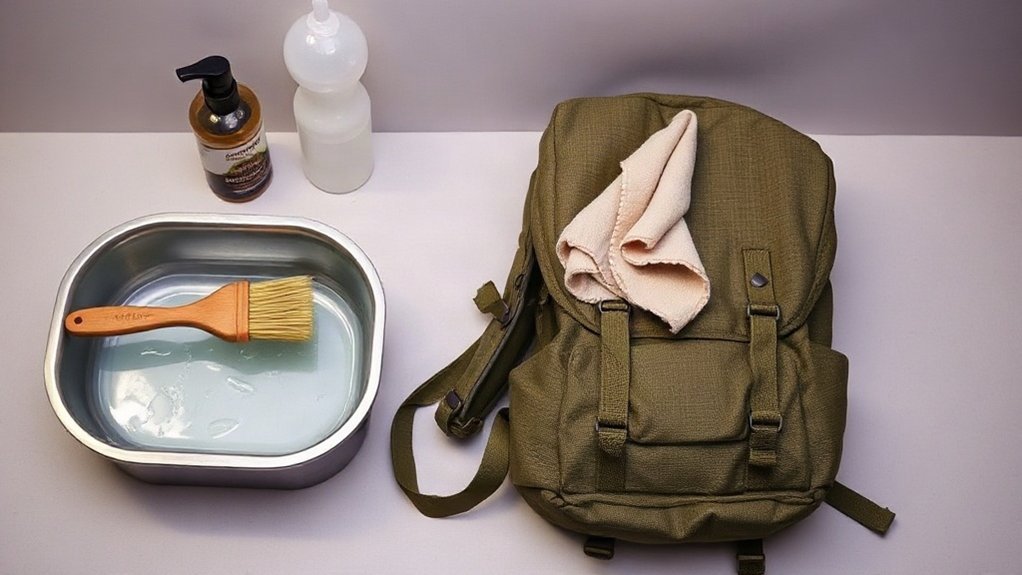
I clean military-style backpacks by checking the care label first and choosing only a permitted method. I empty every pocket, brush or vacuum away grit, and spot-treat marks with mild detergent, testing it on a hidden area first. If machine-washing is allowed, I use cold water and a gentle cycle; otherwise, I hand-wash or spot-clean as directed. I rinse thoroughly, press out excess water, and air-dry the pack away from sunlight and heat. The steps below cover tricky stains and details.
Key Takeaways
- Check the care label or manufacturer’s instructions before choosing machine-washing, hand-washing, or spot-cleaning.
- Empty every compartment, remove loose debris, and vacuum seams and zipper tracks with a soft-brush attachment.
- Pretreat stains gently with mild detergent, testing cleaners on an inconspicuous area and avoiding harsh scrubbing.
- If washing is permitted, use cold water, mild detergent, and a gentle cycle—or hand-wash—then rinse thoroughly.
- Air-dry completely away from direct sunlight and heat; never wring the pack or put it in a dryer.
Check Your Military-Style Backpack’s Care Label
Before cleaning your military-style backpack, read its care label because fabric, lining, and attached features can change the instructions. I check the label before choosing a method, even when I’ve cleaned similar military-style backpacks. A pack made with 1000d cordura nylon may have different care needs from one made with 500d cordura fabric, and its lining or hardware matters too.
First, look for permission to machine-wash the tactical backpack. If the label doesn’t allow it, follow its directions for hand-washing or spot-cleaning instead. Check the recommended water temperature and detergent; the wrong combination can weaken fibers, fade color, or damage coatings. Pay close attention to warnings against soaking, bleach, machine washing, or heat, especially if the pack has felt lining. If the label’s missing or unclear, check the manufacturer’s care instructions before washing. That way, you can clean confidently and keep your gear ready for the next trip. For coated nylon, gentle cleaning helps preserve the protective coating and prevent damage.
Empty Your Backpack and Inspect for Damage
Once I’ve checked the care label, I empty every pocket and compartment, including the small inner ones, then shake out loose dirt and debris. I check each corner and seam for grit that might rub against the fabric. If the manufacturer recommends separate care, I remove detachable liners or inserts and set them aside.
Next, I inspect the pack for tears, fraying, worn patches, or loose stitching; washing can worsen weak spots. I test the YKK zippers, ITW Nexus buckles, and straps gently, noting damage or repairs needed. I also examine the molle webbing and its attachment points for signs of strain. This quick check helps protect the pack’s durability and keeps a small defect from becoming a bigger problem, so I can carry it confidently on the next trip. Before washing, check the PALS webbing for loose stitching or fraying, since scrubbing can worsen damage.
Choose How to Wash Your Backpack
I check the care label first because coatings and fabrics can need specific treatment. If it permits machine washing, I protect the pack in a mesh bag and use cold water; otherwise, I hand-wash it or spot-clean felt-lined sections. I never use a dryer—I press out excess water and air-dry the pack with its pockets and zippers open. After mud and rain, let the pack dry completely to help prevent mildew growth.
Check the Care Label
Check the manufacturer’s care label first, because military-style backpacks can use fabrics, coatings, and components that need different cleaning methods. I use its directions to choose a suitable cleaning method and protect the pack’s finish, lining, and hardware. A tactical assault pack, rucksack, or military rucksack may look rugged, but its care requirements still matter.
| Label guidance | Cleaning choice | Fabric-conscious detail |
|---|---|---|
| Machine washing allowed | Machine wash | Gentle cycle, cold water, mild detergent |
| Hand washing required | Hand wash | Cool or lukewarm water; rinse thoroughly |
| Felt lining present | Spot-clean | Don’t submerge or machine-wash |
| Instructions unclear | Check manufacturer | Confirm before cleaning |
This quick check lets you care for tactical gear without guessing. Once you know what the label permits, you can clean the backpack while preserving its materials and keeping it ready for your next trip.
Choose Machine or Hand Washing
Choose a washing method that matches your backpack’s care tag and manufacturer guidance. I machine-wash only when the maker confirms the fabric and features can handle it. First, empty the pack, close every zipper and clasp, and tuck it into a pillowcase or mesh laundry bag. Use cold water, mild detergent, and a gentle cycle; add towels or T-shirts to balance a single-pack load, then select an extra rinse to clear soap from the pals webbing grid, shoulder harness, and seams. Check that the duraflex hardware and rain cover are also approved for machine washing.
If the instructions call for hand-washing, soak the pack in cool or lukewarm water with about one tablespoon of mild detergent for 10–15 minutes. Gently scrub, then rinse thoroughly. Spot-clean felt lining; don’t submerge it.
Avoid the Dryer
Even when the wash is gentle, never put a tactical backpack in the dryer: heat can damage its fabric, buckles, and other components. I press out excess water with my hands, but I don’t wring the bag; twisting can stress seams and webbing. Then I open every pocket and zipper so air can reach damp lining and MOLLE panels.
I set the pack in a well-ventilated spot, away from direct sunlight, heaters, and other heat sources. Sun and heat may fade or weaken fabric, including materials used by Condor Outdoor and Maxpedition. I let the bag air-dry fully before storing or loading it. If it still feels damp inside, I give it more time; patience helps protect the pack and keeps you ready to head out on your own terms.
Remove Dust, Sand, and Loose Debris
I empty every pocket, turn the pack upside down, and give it a gentle shake to loosen dust and sand. Where possible, I turn it inside out and vacuum the pockets, seams, and exterior with a brush attachment to lift grit without scraping the fabric. I wipe away remaining debris with a clean, damp cloth and use a soft-bristled brush around zippers and buckles. For MOLLE pouches with a stiff backing, avoid scrubbing or bending the internal stiffener, which can lose its shape.
Brush Off Loose Debris
Start by emptying every pocket and compartment, then shake the backpack to loosen dust and sand. I do this outdoors, where grit can fall away instead of settling back onto the fabric. Whether I’m preparing a daysack, bug out bag, or assault loadout, I check for mud before brushing. If it’s caked on, I let it dry completely; wet mud can smear and work deeper into the weave.
With a soft-bristled brush, I lift dried dirt using light, short strokes. I avoid scrubbing, which can abrade fabric or snag webbing. I turn the bag inside out where possible and inspect corners and zipper areas for remaining debris. This gentle pass clears loose grime while helping preserve the material, so the pack stays ready for your next trip off the beaten path.
Vacuum Pockets and Seams
Once loose debris has been brushed away, I vacuum each pocket and compartment to draw out dust and sand. Empty the backpack first, then shake it gently so trapped grit comes loose. I use a hose with a soft brush attachment, guiding it into corners and along seams without pressing hard.
I turn pockets inside out where possible, then clean zipper tracks, stitching, and crevices with short, careful passes. This removes abrasive particles without snagging threads or stressing the fabric. For tight spots, I reach in with a soft brush rather than forcing the nozzle. If sand remains, I wipe the surface with a damp cloth; I don’t soak the material. Clean pockets protect packing cubes and a field repair kit, keeping my gear ready for preparedness, travel, or footlocker packing.
Pretreat Stains, Straps, and Zippers
Before washing, brush off loose dirt, then dab visible stains with a mild, fabric-safe detergent and work it in gently with a soft brush or toothbrush. I spot-treat grime rather than soaking the backpack, especially on shoulder straps, where sweat can build up. Check the padded hip belt, sternum strap, compression straps, and admin pouch for marks, but use light pressure to protect coatings and fibers.
Around zippers, brush along the teeth and pulls with soft bristles to lift trapped dirt without snagging the fabric. If a mark resists, test any cleaner on an inconspicuous spot first. A mixture of one cup 70% isopropyl alcohol, one cup water, and about one teaspoon dish soap may help, though permanent marker can remain. I avoid harsh scrubbing and strong cleaners so the pack stays ready for the trail. Harsh cleaners can degrade nylon fibers over time, weakening the fabric.
Remove Mud, Salt, and Stubborn Stains
Let mud dry completely, then brush away loose dirt before wiping the residue with a cloth dipped in warm water and mild detergent. I use light pressure to protect the fabric’s coating, and I test any stain treatment on a hidden spot first.
For salt, I clean promptly with warm water and mild detergent, then rinse thoroughly to help prevent corrosion of metal components. Check around the drainage grommet and aluminum frame stays, where residue can collect. If sand remains, empty the pack, turn it inside out, vacuum both sides with a brush attachment, and wipe away grit with a damp cloth.
For stubborn marks, I apply fabric-safe cleaner or mild detergent and work it gently with a soft brush or toothbrush, especially near zippers and sweat-soaked straps. Whether it’s an 11 tactical or eberlestock pack, I avoid harsh scrubbing. Durable stitching and sturdy hardware can help military-style packs withstand years of hard use.
Rinse Washable Bags; Spot-Clean Felt
If the care tag says your backpack is machine-washable, place it in a mesh laundry bag or pillowcase and wash it in cold water with mild detergent. I check pockets first and secure loose load lifter straps so they don’t catch on hardware. Run an extra rinse cycle; detergent residue can stiffen fabric and irritate skin. If you wash by hand, keep rinsing until the water runs clear and no suds remain. Remove a hydration bladder sleeve or lumbar support pad only if the care tag allows it, and follow its separate instructions.
For felt-lined textile packs, such as some Mystery Ranch models, skip soaking and machine-washing. I dab each dirty spot with a damp cloth and a little mild detergent, then blot with a clean, damp cloth until the soap is gone. This protects the felt and keeps cleaning controlled. For lingering diesel odors, use an odor neutralizer formulated for fabrics after testing it on an inconspicuous spot.
Air-Dry Your Backpack Without Damage
After washing, I gently press out excess water without wringing or twisting, which can strain fabric and seams. I wipe pooled water from pockets with a microfiber towel, then open every pocket, compartment, and zipper. That lets air reach hidden panels and helps the whole pack dry evenly.
I hang the backpack upside down in a well-ventilated area, using a clip hanger if I have one. I keep it away from direct sunlight, heaters, and other heat sources, which can weaken or damage fabric. I also check the hip belt and straps, where damp layers may linger. Wait until everything feels completely dry before packing or storing it. A fully dry pack protects load distribution and dependable heavy load carry, whether I’m setting out on a bug out route or a weekend trail.
Frequently Asked Questions
How to Clean a Military Backpack?
I clean a military backpack by emptying its pockets, shaking out debris, checking the care label, and inspecting for damage. I brush away dried dirt, then vacuum seams and pockets with a brush attachment. For grime, I use a soft cloth, cool water, and mild detergent—never harsh scrubbing. I hand-wash gently, unless the label allows a mesh-bag machine wash. I rinse well, press out water, and air-dry fully, away from heat and sun.
How to Clean a Backpack Without Ruining It?
I clean a backpack gently by emptying every pocket, shaking out debris, and checking its care label first. I brush off dry mud and vacuum loose sand, then use a soft cloth, mild detergent, and cool water on dirty spots, straps, and zippers. If washing is allowed, I hand-wash and rinse thoroughly; machine-wash only on a gentle, cold cycle in a mesh bag. I press out water and air-dry fully, away from heat and sunlight.
Can I Just Put a Backpack in the Washer to Wash It?
Yes—but I’d machine-wash a backpack only if its care tag or manufacturer says it’s safe. One wash can damage coatings, seams, or straps, so check first. Close zippers and buckles, then tuck the pack into a mesh laundry bag or pillowcase. Use cold water, mild detergent, and the tagged cycle; skip bleach and softener. Balance it with towels, add an extra rinse, then air-dry it upside down, fully open, away from heat and sunlight.
How to Clean Under Armor Backpack?
I clean an Under Armour backpack gently to protect its fabric. First, I empty every pocket, shake out debris, and check the care label. I spot-clean stains with cool water, a little mild detergent, and a soft cloth or toothbrush—never scrub harshly. If the label allows machine washing, I use a mesh bag, cold water, and a gentle cycle. I rinse thoroughly, blot with a towel, then air-dry fully away from heat and direct sunlight.
Conclusion
I clean my military-style backpack by following its care label, brushing out grit, and treating stains gently. If the fabric allows washing, I rinse it thoroughly; for felt, I stick to spot-cleaning. Then I air-dry the bag completely, away from direct heat, with pockets open. These small steps help protect coatings, stitching, and hardware. Think of gentle care as a shield: it keeps your pack ready for the next trip without wearing down its fabric.
References
Clothes Captioning: Complying with the Care Labeling Rule, https://www.ftc.gov/business-guidance/resources/clothes-captioning-complying-care-labeling-rule
16 CFR Part 423 – Care Labeling of Textile Wearing Apparel and Certain Piece Goods, https://www.ecfr.gov/current/title-16/chapter-I/subchapter-C/part-423
Stain Removal from Fabrics, https://hgic.clemson.edu/factsheet/stain-removal-from-fabrics/