How Can Beginners Choose Folding Tactical Knives Without Overspending?
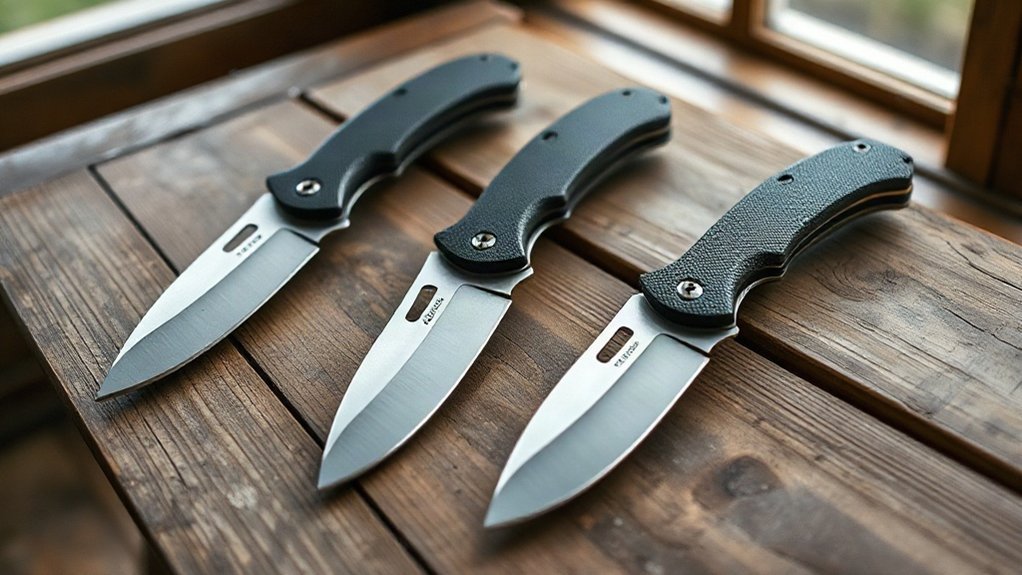
I’d start by matching a folding knife to your regular tasks, then choose a practical blade shape and edge rather than paying for unused extras. For everyday carry, a lightweight plain-edge folder with a blade under three inches may be enough; outdoor tasks may call for a longer drop point. I’d prioritize manageable steel, a comfortable grippy handle, and a reliable lock, then check local carry laws. Below, I’ll explain how to compare these choices and keep costs in check.
Key Takeaways
- Choose a compact folder suited to regular tasks; a plain-edge blade under three inches often covers everyday cutting affordably.
- Prioritize corrosion-resistant steel such as 14C28N or AUS-8 for easier maintenance; consider D2 only if you’ll keep it dry.
- Check that the handle fits securely and the lock engages reliably; durable materials like FRN or G10 can offer practical value.
- Spend on dependable construction, comfortable carry, and a useful clip—not premium steel, decorative finishes, or complex mechanisms you don’t need.
- Check current blade-length, locking, opening, and carry laws for every place you plan to carry before buying.
Match Your Folding Knife to Its Main Use
Match the knife to the work you expect it to do. For Everyday carry, I’d choose a compact, lightweight folder with a plain edge and a blade under three inches. It’ll handle packages, string, and simple food prep without weighing down your pocket. Check local rules before carrying, so your choice supports your freedom without creating trouble.
For outdoor utility or general-purpose tasks, I’d look at a three- to four-inch drop-point blade. It offers a practical balance of portability, control, and versatility. If you often cut rope, cord, or abrasive cardboard, a partially serrated edge may serve you better; for clean, controlled cuts, I prefer a plain edge.
When I expect wet conditions, I’d favor corrosion-resistant stainless steel, a secure lock, and a bright handle I can spot quickly. For regular work or tougher cutting, I’d prioritize a comfortable, slip-resistant grip and durable construction over costly extras I won’t use. Choose for your needs, not someone else’s checklist.
Choose a Folding Knife Blade for Your Tasks
What will you cut most often? I’d choose a blade that fits those tasks, not one that merely looks tactical. The right Blade shape and edge style can make everyday work simpler without adding cost or features you won’t use.
- For varied daily cutting, I’d start with a drop point: its versatile profile handles common utility jobs. If you need controlled slicing or scraping, a sheepsfoot may suit you better.
- For clean, general-purpose cuts, I’d pick a plain edge. Serrations can help when you regularly cut rope, cord, or abrasive cardboard, but skip them if those tasks are rare.
- A 3–4-inch blade balances portability and versatility for everyday use. I’d choose under 3 inches if lighter carry and easier control matter more.
You don’t need an elaborate profile or partial serrations to stay capable. I’d buy a simple blade matched to your routine, leaving your budget and options open for what matters most.
Compare Folding Knife Steel and Edge Care
I’d match steel to your usual cuts, weighing stainless 14C28N’s easy care against D2’s edge retention and need for rust prevention. Carbon steel sharpens readily, but I’d choose it only if you’re ready for extra care in damp conditions. I’d also pick a plain or serrated edge for your tasks and sharpen it when it gets dull.
Match Steel to Use
If you want an affordable, low-maintenance everyday knife, stainless steels such as AUS-8, 440C, or 14C28N offer good corrosion resistance. I match steel to the conditions you’ll face, not just the label. Stainless helps when rain, sweat, or salt spray could reach your blade; carbon steel can take a fine edge and sharpen easily, but demands more carbon maintenance.
- For damp or salty outings, I’d choose stainless and rinse, dry, and inspect the blade after use.
- If you prefer D2’s edge retention, remember it’s semi-stainless: wipe it dry and keep moisture away.
- For clean everyday cuts, I’d start with a plain edge; choose serrations for rope or tough cord.
I clean and sharpen my knife as needed, helping an inexpensive tool stay ready without limiting where I go.
Compare Budget Steel Options
For a budget folding knife, I match steel to the conditions you’ll face and the care you’re willing to give it. Stainless options such as 14C28N, 440C, and AUS-8 offer useful corrosion resistance and suit wet weather or outdoor use. I’d choose one if I want more freedom from frequent upkeep. D2 can hold an edge well for its price, but it’s only semi-stainless; after moisture exposure, I dry and oil it. Carbon steel is easy to sharpen and can take a fine edge, though it rusts more readily and needs regular oiling. Whichever budget steel you pick, clean and dry the blade after use, check for rust, and sharpen it when it stops cutting cleanly. The right trade-off depends on your conditions and care routine.
Keep the Edge Sharp
To keep a folding knife cutting well, I match its steel and edge style to the work and upkeep I can manage. For affordable, low-maintenance carry, I favor 14C28N: it resists corrosion, holds a stable edge, and sharpens easily. D2 can retain sharpness longer, but it’s semi-stainless, so I clean and dry it carefully, especially in wet or salty conditions.
- I choose a plain edge for clean, controlled cuts; I pick serrations for rope or abrasive materials, knowing they’re harder to sharpen.
- I set a sharpening schedule around use, restoring the edge before it gets dull.
- During edge inspection, I check for rust and loose screws, then clean and oil carbon steel as needed.
That routine keeps maintenance manageable and lets me carry the tool confidently.
Pick a Comfortable Handle and Reliable Lock
A comfortable, secure handle makes everyday cutting easier and safer. I look for a shape that fits my hand and stays steady when I cut. A Textured grip helps prevent slipping, while finger grooves can improve control if they suit your fingers. G10, Micarta, and molded nylon offer durable, low-maintenance choices without demanding a large budget.
I also check the secure lock before buying. A liner lock or traditional lockback can provide dependable performance at a reasonable price; frame locks often cost more. Open the knife and confirm the lock engages firmly, then see whether you can release it comfortably. A lockback usually takes two hands to close, while liner and frame locks are generally easier to release one-handed. Choose the arrangement that feels natural and lets you work confidently. I’d skip complex mechanisms or decorative handles unless they genuinely improve comfort, grip, or reliability. A good fit and dependable lock help you handle ordinary tasks with confidence and maintain your independence.
Spend on the Folding Knife Features You Need
I’d match the blade and size to your usual tasks: a plain edge suits packages and food prep, while serrations help with rope. Choose steel that fits your maintenance habits, and don’t pay for a premium lock unless you need its specific benefit. A grippy, durable handle often matters more than decorative extras.
Match Features to Tasks
When you match a folding knife’s features to the work, you can avoid paying for extras you won’t use. I start with the tasks I actually do, then choose a blade and handle that support them. That keeps carry comfort high and gives me task versatility where it matters.
- For packages, cord, and light food prep, I’d choose a plain-edge blade under three inches; it’s easier to carry and control.
- For broader utility or outdoor work, a three- to four-inch drop point balances portability, cutting ability, and tip strength.
- I’d pick 14C28N for corrosion resistance and easy care, or D2 if I’ll maintain it for edge retention. A secure liner or frame lock and grippy G10, Micarta, or FRN handle round out my choice.
Prioritize Value Over Extras
Start with the knife’s main job—opening packages, camping, or routine utility—so you spend on a suitable blade and lock, not features you won’t use. For general carry, I’d choose a plain-edge, 3–4-inch drop point: capable without unnecessary bulk or cost. Spend on essential features that make daily use comfortable and dependable.
| Spend for | Skip unless needed |
|---|---|
| Stainless steel; low upkeep | Premium steel |
| G10 or FRN; light, durable grip | Decorative handles |
| Reliable lock and useful clip | Assisted opening |
A liner lock is common and easy to operate; a back lock offers a traditional alternative. Either can serve you well without a proprietary mechanism. I’d judge value pricing by fit, secure grip, reliable locking, and carry comfort—not flashy extras. Choose wisely, and you’ll keep more money and freedom for what matters.
Check Knife Laws Before You Buy
Before buying a folding tactical knife, I check the laws where I live and plan to carry it. Rules can vary by city, state, and destination, so I don’t assume a knife that’s legal at home is allowed everywhere. A little research protects my freedom to carry responsibly—and helps me avoid wasting money on a model I can’t use.
- Compare Blade length regulations. A blade under three inches may be legal in more places, but that doesn’t make it lawful everywhere. I verify the exact local limit.
- Check opening and locking rules. Some areas restrict one-handed opening, locking blades, or particular mechanisms. I confirm the rules before choosing a design.
- Review carry permit requirements and carry methods. Purchase rules aren’t the whole picture; pocket, belt, or concealed carry may face separate restrictions.
I check current laws for every place I’ll visit, then choose a compliant knife that fits my needs and budget.
Frequently Asked Questions
Are Assisted-Opening Folding Knives Worth the Extra Cost for Beginners?
Assisted-opening knives can be worth the extra cost if you value quick, one-handed access, but you don’t need one to start. I’d compare Opening speed with mechanism reliability: a smooth manual folder may open fast enough and offer fewer parts to maintain. Check local laws, handle several knives, and choose a secure grip and dependable lock. I’d spend extra only if the assisted action feels useful, safe, and comfortable for your everyday needs.
What Knife Maintenance Tools Should a New Owner Buy First?
Start with the basics, and you’ll keep your knife in good shape without buying a toolbox. I’d get cleaning supplies: a soft cloth, cotton swabs, mild soap, and a drop of knife-safe oil. For sharpening tools, choose an easy-to-use guided sharpener or ceramic rod, then learn its instructions before touching the edge. Add a small screwdriver only if your knife needs one. These essentials let you maintain your knife independently and confidently.
How Should Beginners Store a Folding Knife Safely at Home?
I store a folding knife closed, clean, and dry in a locked childproof drawer, well out of children’s reach. You can use sheath storage for added protection, but choose a dry, breathable sheath to help prevent moisture buildup. I keep the knife separate from loose items so it won’t open or get damaged. Check local rules, and make safe storage part of your routine; that gives you freedom to enjoy your gear responsibly.
Are Budget Folding Knives Suitable for Emergency Preparedness?
Yes, I consider budget folding knives suitable for emergency preparedness, but the theory that any cheap knife will work reliably doesn’t hold up. I’d test the lock, blade, and opening mechanism before trusting one, then practice using it safely. For emergency reliability, I’d choose sturdy materials and a secure grip over flashy features. Budget preparedness can preserve your freedom without overspending, as long as you inspect, maintain, and responsibly store your knife.
Can a Beginner Practice Knife Skills With a Dull Training Knife?
Yes, you can practice knife skills with a dull training knife, and I recommend it for building confidence before handling a sharp blade. Start with a Basic grip, then rehearse controlled cuts on suitable practice materials. I’d still prioritize Safe handling: keep your fingers clear, work on a stable surface, and treat the trainer as if it could cut. Choose a purpose-built trainer, and follow its instructions for safe practice.
Conclusion
I choose a folding tactical knife by starting with the jobs I’ll actually do, then matching the blade, steel, handle, and lock to those needs. I don’t pay extra for features I won’t use, and I check local knife laws before buying. Beginners can get dependable performance without chasing the most expensive model. Take time to compare a few options, consider edge care and comfort, and keep your budget in view. That way, you’ll get a knife that fits the bill.