Why Do Preppers Pack Hammocks as Backup Shelter?
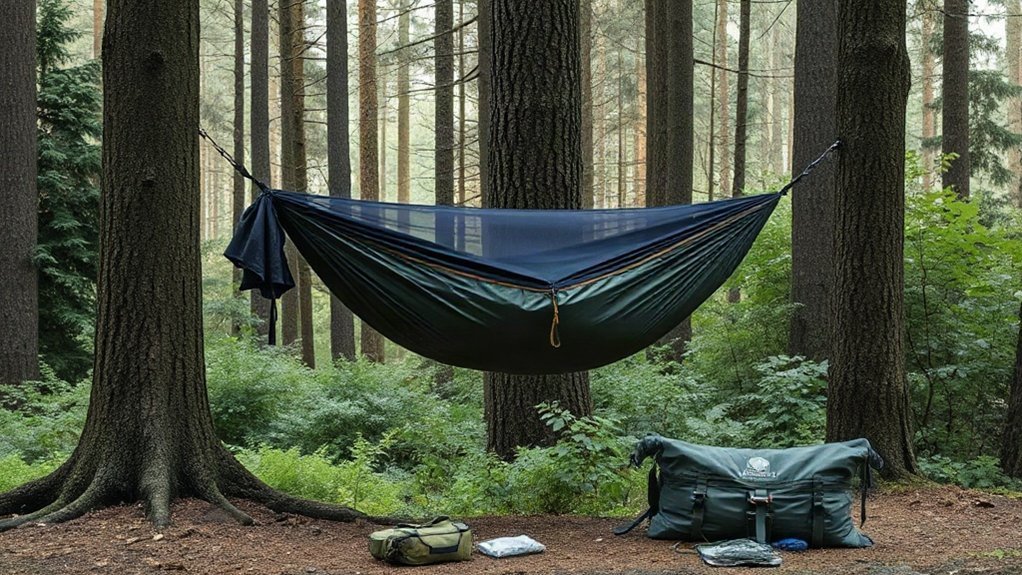
I pack a hammock as backup shelter because it’s lightweight, compact, and keeps me above mud, puddles, and uneven ground when a flat tent site isn’t available. With sturdy anchors, I can add a tarp for rain and a bug net for insects. I still check the trees, use sound, tree-friendly straps, and carry insulation to stay warm. Hammocks aren’t useful everywhere, so I’ll explain when a tent or tarp makes more sense.
Key Takeaways
- Hammocks provide lightweight, compact backup shelter without taking up much space in a preparedness kit.
- They keep sleepers above mud, puddles, uneven ground, and some crawling insects.
- With a tarp and fully enclosing bug net, a hammock can offer rain and insect protection in suitable conditions.
- Hammocks are useful only where sturdy, well-spaced anchors are available; treeless terrain requires another shelter.
- Preppers should match shelter to conditions: tents offer better protection in cold, snowy, exposed, or buggy environments.
Why Carry a Hammock as Backup Shelter

When a tent feels too bulky to carry, I pack a hammock as a lightweight backup. A compact camping hammock gives me another shelter option without taking much room in my pack, helping me travel farther with less weight. In warm, forested areas, I pair it with a hammock tarp for rain cover and a bug net to keep insects away. That setup can offer useful protection when conditions suit it.
I plan campsite selection before relying on a hammock. I need sturdy, healthy trees or other secure anchor points, spaced appropriately and clear of hazards such as dead branches. I won’t depend on one in open terrain where reliable anchors aren’t available; a freestanding tent works better there. I also allow time to set up and check every connection before settling in. Most packable models suit one person and leave little room for gear, so I keep essentials organized and within reach. This backup supports flexibility, not every campsite. A hammock can also provide even pressure and keep me above wet ground and crawling bugs.
How a Hammock Keeps You Off the Ground
By suspending me above the ground, a hammock helps keep me clear of puddles, mud, and shallow depressions that might soak a tent floor. That elevation can also give me a place to rest on uneven terrain when I can’t find a flat tent site. In wet areas, staying above ground may help me avoid mud or standing water and preserve more freedom to choose where I sleep.
Hammocks don’t work everywhere, though. I need suitable trees or other secure attachment points, and I check that they’re sound before I hang a gathered-end hammock with tree straps. I also choose a campsite that won’t collect water: puddles can make getting in and out awkward, even when I’m suspended. I don’t treat elevation as a substitute for sound shelter planning; I consider local conditions and keep a waterproof ground option in mind if there’s nowhere safe to hang. A tent may be a better choice in treeless terrain, such as above the treeline or on a beach. That way, I can adapt without forcing a risky setup.
What Gear Does a Hammock Shelter Need?
Staying off the ground helps only if I can rig the hammock safely and stay dry and warm. I pack a hammock with a compatible suspension system, such as tree slings, and use only sound attachment points, usually suitable trees. Check each component’s limits; never trust damaged straps or unstable supports.
For weather protection, I carry a rain fly with attachment points and enough paracord to cover the hammock against rain and wind. In buggy country, a mosquito net should fully enclose me and stay clear of my skin, so insects can’t bite through the mesh.
Cold nights call for insulation beneath me, such as an underquilt, plus a top quilt or sleeping bag. Moving air underneath can make a hammock feel cold, so insulation below me helps block heat loss. I can sleep diagonally for a flatter, more comfortable lay. Hammocks offer freedom from rough ground, but they don’t store much. I keep my pack and essentials under the fly or in a hammock gear stash, protected from weather and easy to reach.
How to Set Up a Hammock and Tarp
To set up a hammock and tarp safely, I choose two sturdy trees far enough apart for both and protect their bark with tree-friendly straps. I check each tree for damage or loose branches before attaching anything. Then I hang the hammock with a comfortable sag; lying diagonally helps me settle into a flatter position without over-tightening the suspension.
Next, I run a hammock ridgeline above the hammock and pitch the tarp over it. I angle the tarp to shed rain and extend it past both ends, leaving enough room to get in and out. When wind or rain picks up, I turn the tarp toward the prevailing weather. Open-ended designs can let rain blow inside, so I choose fuller coverage when conditions call for it.
I pull the tarp taut with guylines and secure them with stakes. For a cold-weather setup, I place a sleeping pad beneath me for added warmth and comfort. I use wide webbing straps at least an inch across to spread the load and help protect tree bark.
How to Stay Warm and Dry in a Hammock
When I set up camp, I hang my hammock above puddles and wet ground, but choose a spot that won’t collect water and make getting in or out difficult. I pitch a waterproof tarp low enough to deflect sideways rain. If its ends stay open, wind can drive spray underneath and leave water pooled below me.
To stay warm, I insulate both sides: an underquilt or padding beneath me prevents cold butt syndrome, while a top quilt or sleeping bag traps heat above. I choose packable insulation that suits the expected conditions, then check that it stays dry. Condensation can dampen bedding, so I keep ventilation in mind and avoid letting wet gear touch my sleep setup. A complete hammock setup can weigh about the same as a tent system, especially when insulation is included.
Before climbing in, I remove rain gear under the tarp and keep my clothes, socks, and bedding dry. When wind-driven rain or strong gusts threaten, I choose a full-coverage shelter, such as a Palace Tarp or The Journey, for better protection from spray and wind chill.
Where Hammock Shelter Falls Short

Even with a good tarp and insulation, a hammock won’t work everywhere: I need two sturdy, well-spaced anchors, which open terrain may not provide. A tree-friendly, durable suspension protects bark, but it can’t make weak anchors safe. An easy hang and quick setup still take practice; poor tarp angles invite rain, and gaps in a bug net let insects reach me. I check every seal before settling in. A gathered-end hammock around 11 feet long with a structural ridgeline can help maintain a consistent sag, while separate tree-hugger suspension protects the bark.
- Limited space: Most packable hammocks fit one person and leave little room for gear. I keep essentials secured and within reach rather than crowding the sleep area.
- Exposed weather: Open tarp ends can admit wind-driven rain. Gusts, chill, and spray can make an exposed setup uncomfortable or unsafe; fuller coverage helps but adds complexity.
- Close quarters: A breathable bug net can feel cramped, and fabric touching skin may let insects bite through. I adjust the net and clothing, then reassess comfort and protection.
Knowing these limits helps me choose a setup that supports freedom without mistaking convenience for security.
When to Choose a Tent or Tarp Instead
I choose a tent when you need enclosed space and reliable protection from cold, wind, rain, insects, or critters. I choose a tarp when low weight and flexible coverage matter, but you’ll need practice pitching it and it won’t keep bugs or ground moisture out. In exposed or stormy conditions, I favor a tent or full-coverage tarp over an open shelter that can catch spray or falter in gusts. A tarp offers more shelter per ounce and can be pitched low and angled into the wind, but it requires skill and has no poles or floor to fail.
Choose a Tent for Protection
If insects, wind, cold, or curious critters pose a concern, I’d choose a tent for dependable, all-purpose protection. A rainfly and vestibule extend coverage, while a freestanding model pitches quickly without stakes or ropes. Its enclosed space can make cold or snowy nights safer and more manageable.
- Match shelter to conditions: I rely on a tent when exposure or pests could threaten rest and safety.
- Weigh the load: The North Face Stormbreak 2 weighs about five pounds and packs to 7 × 22 inches, so I’d account for its bulk.
- Plan for sleep: I’d bring a sleeping pad; a tent alone won’t make the ground comfortable.
A single hammock or double hammock may feel comfortable, and an affordable hammock stand suits home use, but neither replaces a tent’s enclosed protection outdoors.
Use a Tarp for Versatility
When weight, pack size, or cost matters more than enclosed protection, I’d choose a tarp for its versatility: it can shelter you and your gear, serve as ground cover, or collect rainwater. A purpose-built model, such as the AquaQuest Defender, adds attachment points, heat-taped seams, and a 20,000 mm waterproof rating. I’d practice pitching it and tying knots before relying on it, and pack enough paracord. A tarp won’t block insects or separate you from the ground, so I’d choose a tent when I need that added protection. With a bridge hammock, I’d check the structural ridgeline and hang angle, secure a daisy chain strap, and use snakeskins to pack the hammock. I also keep a tarp in my vehicle kit: it packs small and can provide quick cover after a breakdown.
Match Shelter to Conditions
A hammock works only where you can hang it, so I match my shelter to the terrain and forecast. My whoopie sling, carabiner, and dutch clip make hanging efficient, but they can’t replace suitable trees or protect me from every storm. On the Appalachian Trail, thru-hiking taught me to value freedom without ignoring exposure.
- I choose a tent for cold, snow, bugs, or extra people and gear. Its rainfly and vestibule block wind and critters and give me space to warm up or dry out. That protection adds weight: a two-person Stormbreak 2 weighs about five pounds.
- I choose a tarp when low weight, compact packing, versatility, or cost matters. I practice knots and setup first; a tarp won’t keep insects out.
- In wind-driven rain or treeless terrain, I favor a tent or full-coverage shelter over an open tarp.
Frequently Asked Questions
Why Did Sailors Stop Using Hammocks?
I can’t identify one universal reason sailors stopped using hammocks; the information available here doesn’t establish when or why any navy changed its practice. Hammocks can keep a sleeper above wet or uneven ground, but they need secure attachment points and may feel cramped or uncomfortable. If you’re comparing them with modern berths, consider that those drawbacks describe camping use—not evidence of naval policy or a specific historical shift.
What Are the Downsides of Hammock Camping?
Hammock camping can feel like sleeping in a cradle, but its weak spots matter. I need two sturdy, well-spaced trees or secure anchors, which open terrain may not offer. Setup takes extra time and often requires straps or cordage. Most hammocks fit one person and leave little room for gear. I also need a proper tarp and bug net: wind-driven rain, gusts, or exposed skin can turn a free night into an unsafe one.
Why Do Mexicans Sleep in Hammocks?
Some Mexicans sleep in hammocks because they can suit warm, humid conditions: airflow helps keep sleepers cooler, and the suspended bed stays above damp ground. In forested areas, sturdy trees provide convenient supports; a tarp can add shade and rain cover. A hammock may also create distance from snakes and insects, but it isn’t reliable protection by itself. I’d use a properly fitted mosquito net and check that supports and straps are secure.
Which Is Better for a Hammock, an Underquilt or a Sleeping Pad?
For hammock warmth, I’d choose an underquilt; it’s a snug blanket beneath you, insulating without a pad under your body. You can put a sleeping pad inside, but it may shift as you move and make the hammock less comfortable. In cold weather, I’d pair an underquilt below with a top quilt above. A pad can add insulation, too. Test your setup before relying on it; fit and conditions affect warmth.
Conclusion
I pack a hammock as a backup because it keeps me off wet, uneven ground and offers a compact place to rest. But I don’t treat it as magic shelter: I bring a tarp, insulation, and reliable suspension, then check trees and weather before setting up. A hammock can make a rough night more comfortable, but it has limits. If trees are scarce, conditions turn severe, or I need more protection, I choose a tent instead.
References
Leave No Trace: Camping, https://lnt.org/why/7-principles/plan-ahead-and-prepare/
Camping & Hiking: Be Prepared, https://www.nps.gov/articles/000/camping.htm
Hypothermia, https://www.weather.gov/safety/cold-hypothermia