Why Do Straps on Tactical Duffel Bags Cut Into Your Shoulder?
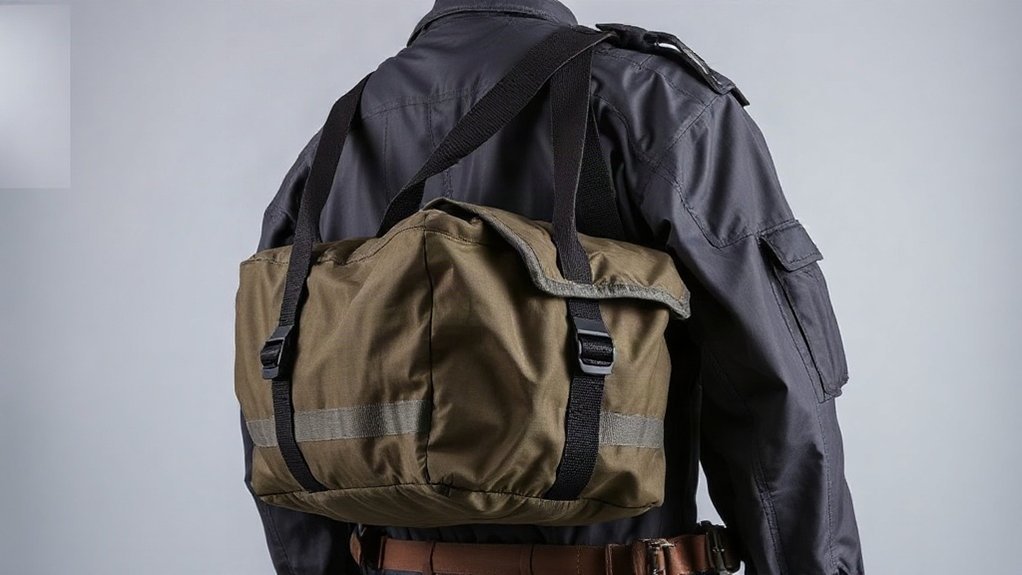
I find that tactical duffel straps cut into your shoulder when a narrow strap concentrates a heavy load on a small area. A bag that hangs low, bounces, or shifts can pull sideways and add strain, especially during long carries on one shoulder. I’d pack heavier items low and near the center, shorten the strap so the bag sits close, and use a wide padded shoulder pad. If discomfort persists, a backpack or rolling bag may suit you better; below, I’ll explain how to choose.
Key Takeaways
- Heavy or bulky duffels press harder on your shoulder, and narrow straps concentrate that pressure on a small area.
- A low-hanging strap lets the bag bounce, increasing pressure and making the load harder to balance.
- An unevenly packed bag can pull sideways, adding strain to your shoulder and neck.
- Carrying a duffel on one shoulder repeatedly may strain muscles, especially during long carries.
- Persistent discomfort may mean the strap needs adjustment, the load needs reducing, or a two-strap backpack is a better choice.
Why Do Tactical Duffel Straps Hurt?
Why can a tactical duffel strap hurt? When I carry a heavy tactical duffel bag, its weight can press into a small area of my shoulder. A bulky load, a bag that hangs low, or one that swings can make that pressure worse and pull me off balance. Repeating the same carry on one shoulder may also leave my muscles strained and uncomfortable.
I can reduce the strain without giving up mobility. I’ll pack only what I need, balance the contents, and adjust a removable shoulder strap so it sits securely without restricting movement. A wide, padded strap can spread the load, while neoprene cushioning may help on longer carries. For quick transfers, padded grab handles offer another option. Even with a 50 liter duffel, thoughtful packing helps me move more freely. A wider shoulder pad can spread pressure across more of the shoulder and make a heavy load more comfortable to carry.
How Do Narrow Straps Increase Shoulder Pressure?
I find that a narrow strap concentrates your duffel’s weight on a smaller area, increasing pressure on your shoulder. Heavy gear can make it dig in more during long carries because it spreads the load less evenly. Choose a wide, padded strap, add a shoulder pad, or remove unnecessary gear to ease the pressure. Compared with a wheeled suitcase, a tactical duffel may require more shoulder carrying over rough terrain.
Concentrated Strap Pressure
A narrow tactical duffel strap concentrates the bag’s weight on a small patch of your shoulder, increasing pressure where the strap touches your body. I notice the effect most when a heavy duty gear bag holds hard or bulky items: the strap can dig in, making each step uncomfortable. Tactical duffel bags don’t have to limit your freedom; I’d check the strap and load before setting out.
| Carry setup | Pressure feel | Practical fix |
|---|---|---|
| Narrow strap | Focused contact | Add a shoulder pad |
| Heavy load | More force at contact | Choose a wider, padded strap |
| Bulky contents | Extra discomfort | Cushion the strap |
For a tactical travel bag, I’d fit an ergonomic shoulder pad to an existing strap or choose wider padding. It cushions the contact point, helping me carry more comfortably.
Limited Weight Distribution
Even with a padded strap, a single-strap duffel can pull unevenly because it carries the load on one shoulder. Narrow webbing puts a heavy load onto a small patch of skin, raising pressure and making the strap more likely to dig in. I notice this effect most when I carry a bulky 70 liter duffel or a fully packed tactical deployment bag for a long stretch. Choose a wider, padded strap to spread the weight across more of your shoulder. Pack dense items close to your body and balance the contents to limit awkward pulling. If you need to carry heavy gear for hours, I’d switch to a backpack with two padded backpack straps. Better distribution can ease strain and let you move with greater freedom.
How Can You Pack a Duffel to Balance the Load?
To reduce shoulder strain, pack heavier items low in the duffel and close to your body, then spread the weight evenly from side to side. I find this arrangement keeps the load stable and reduces awkward pulling as you move. Place gear so it won’t shift when you lift or turn the bag. Use the duffel’s cinch or compression straps to secure bulky items, but don’t overfill it; excess weight can make every trip less comfortable. Keep essentials near the wide opening, where you can reach them without unpacking and rearranging everything. Before you set out, remove items you don’t need and check that neither end nor an outer pocket carries most of the weight. Balanced packing helps you carry your kit with greater comfort and freedom. For a three-day trip, plan your packing list around the gear you’ll actually need.
When Should You Lift a Duffel by Its Handles?
I use the grab handles to lift or set down my duffel, then switch to the shoulder strap for longer carries. For a heavy load, I secure the contents with the cinch straps and use both side handles to limit swinging. Handles also give me better control in tight spaces where a shoulder strap could snag. Reinforced handles are built to handle the heavier loads common in tactical duffel bags.
Switching Grip Positions
When I lift a tactical duffel, I use its short carry straps or side handles rather than tugging on the shoulder strap. I switch grips based on the task: handles work best for lifting the bag off the ground, while the shoulder strap suits carrying it over a distance. This brief change keeps the load from pulling on one shoulder during a lift. For a bulky range bag or 11 tactical travel luggage, I hold both side handles to keep the bag balanced. If the carry straps connect, I join them for a short, two-handed carry when that feels steadier. I keep the duffel close to my body and watch my balance. If the weight pulls me off-center, I set the bag down and adjust my grip before moving on.
Lifting Heavy Loads
For lifting a heavy duffel off the ground, loading it, or moving it a short distance, I use its grab handles instead of pulling on the shoulder strap. I hold the handles on both sides to keep the load balanced, using both hands if the bag feels bulky or awkward. Before lifting, I secure loose contents with the four cinch straps so they’re less likely to shift suddenly. This works for a tactical gym bag, but I don’t repeatedly haul a full load by its handles over longer distances; I connect the side-carry straps or choose a suitable shoulder strap instead. If I can’t lift steadily and comfortably, I set the bag down, split the load, or use a trolley. A load cell can help check weight against airline baggage limits. A wheeled duffel may also ease transport.
Navigating Tight Spaces
In a narrow aisle, doorway, or crowded transit area, I lift my tactical duffel by its grab handles so the shoulder strap won’t snag or bump anyone. I use both sides to guide bulky loads steadily. Cinch straps keep contents from shifting; secure lockable zipper sliders before lifting.
| Situation | Action | Benefit |
|---|---|---|
| Tight passage | Lift by handles | Avoid snags |
| Awkward load | Use both handles | Better control |
| Heavy bag | Connect side-carry straps if practical | Steadier lift |
| Passage clear | Set bag down | Rest arms |
I lift carefully, keeping the bag close so it won’t swing into people or objects. Features such as 1000d cordura, a tarpaulin base, and bar tack stitching support durability, but don’t eliminate strain. For freedom of movement, carry by hand only through the obstruction, then resume shoulder carry when clear.
How Can Connected Straps Make Carrying Easier?
If a loaded duffel strains your shoulder, connect the side-carry straps to form one grip and carry the bag with both hands. I find this shifts weight across both hands instead of concentrating pressure on one shoulder, making heavy or prolonged carries more comfortable. Before lifting, secure bulky loads with the four cinch straps; contents that move less can make the bag easier to control. Use the side handles when you need another grip to lift or reposition it. These options let you choose a carrying method that suits the load and your route, rather than relying on one shoulder. A molle webbing panel may help organize gear on a condor outdoor or maxpedition duffel, while a water resistant build can help protect contents from light exposure to moisture during travel. Packing cubes can keep small gear grouped together and easier to find.
How Should You Adjust a Tactical Duffel?
How should you adjust a tactical duffel? I load mine as I normally carry it, then stand naturally and adjust the strap until the bag feels stable without limiting shoulder movement. I position it across my shoulder, away from my neck, and choose a wide, padded strap or shoulder pad to spread pressure.
I keep the duffel close and place heavy items near my center. Packing cubes can help organize gear, while a wet gear compartment or shoe compartment may keep damp or dirty items separate. For a bag that serves both travel and range use, organized compartments can help keep different types of gear in order. If the bag bounces, hangs low, or pulls me sideways, I shorten the strap, lighten the load, or rebalance it. I secure loose webbing and connect side carry straps when useful. For short lifts, I use grab handles; on longer carries, I switch shoulders or take breaks. A checked bag shouldn’t be overloaded.
When Should You Choose a Backpack or Rolling Bag?
When a shoulder-carried duffel feels too heavy or bulky, I switch to a backpack for long walks or hikes because it spreads the load across both shoulders. I find a backpack more comfortable for clothing layers, a laptop, or a large tablet, especially when my duffel causes ongoing shoulder or neck discomfort. Look for padded straps and a mesh vent panel to help manage comfort on the move. Check the bag’s 600d polyester construction for durability, and use a luggage scale to avoid carrying more than you can manage. For airports, road trips, or other heavy-duty days, I choose a rolling bag or trolley to take weight off my shoulders and keep me moving freely. An id tag holder also makes travel identification easier. Keep a duffel for lighter loads. For a week away, choose a duffel with enough capacity for your trip based on what you plan to pack and any airline size limits.
Frequently Asked Questions
How to Wear a Tactical Sling Bag?
I wear a tactical sling bag crossbody, with its strap over my shoulder and away from my neck. I adjust it while it’s loaded so the bag sits snug against my upper or mid-back, side, or chest, above my waist. I keep heavier gear close to my body, secure loose webbing, and check that the bag doesn’t bounce or limit my arms. For quick access, I rotate it forward; for active movement, I add a stabilizer strap.
How to Keep Bag Straps From Falling off Shoulders?
I keep bag straps from slipping by adjusting them snugly, like securing a sail before the wind rises. Load your bag as you normally would, then tighten the strap without limiting shoulder movement. Choose a wide, padded strap with a nonslip underside, and wear it across your shoulder, away from your neck. Keep the bag close, balance heavy items near your body, and try crossbody carry or switch shoulders if it still slips.
What Is the Point of Shoulder Straps?
I use shoulder straps to carry a tactical duffel without gripping its handles, so I can keep my hands free. The strap transfers some of the bag’s weight to my shoulder, making short trips easier. For heavier loads, I’d use the side handles to lift or reposition the bag. If I want more comfort, I’d choose a wide, padded strap because it spreads pressure over more of my shoulder than a narrow one.
Does the Black Hole Duffel Have a Shoulder Strap?
Like a traveler choosing the right path, I’d check the exact Black Hole Duffel model: I can’t confirm that every version includes a shoulder strap. Some duffels have short carry straps or side grab handles, which aren’t shoulder straps. Read your model’s product description to verify its setup before you buy. If it includes a removable or adjustable shoulder strap, I’d look for a wide, padded design for more comfortable carrying and greater freedom on the go.
Conclusion
A tactical duffel shouldn’t turn every trip into a shoulder ache. I reduce pressure by packing heavy items close to my body, adjusting the strap, and using both handles for short lifts. When I connect straps or switch to a backpack or rolling bag, I choose comfort over stubbornness. A better carry feels like a steady rhythm, not a strap digging a groove. Try one change at a time, and let your shoulder, not the bag, set the limit.
References
Ergonomic Guidelines for Manual Material Handling, https://www.cdc.gov/niosh/docs/2007-131/
Applications Manual for the Revised NIOSH Lifting Equation, https://www.cdc.gov/niosh/docs/94-110/
Backpack Safety, https://orthoinfo.aaos.org/en/staying-healthy/backpack-safety/