Can Tactical Duffel Bags Work as Both a Range Bag and a Travel Bag?
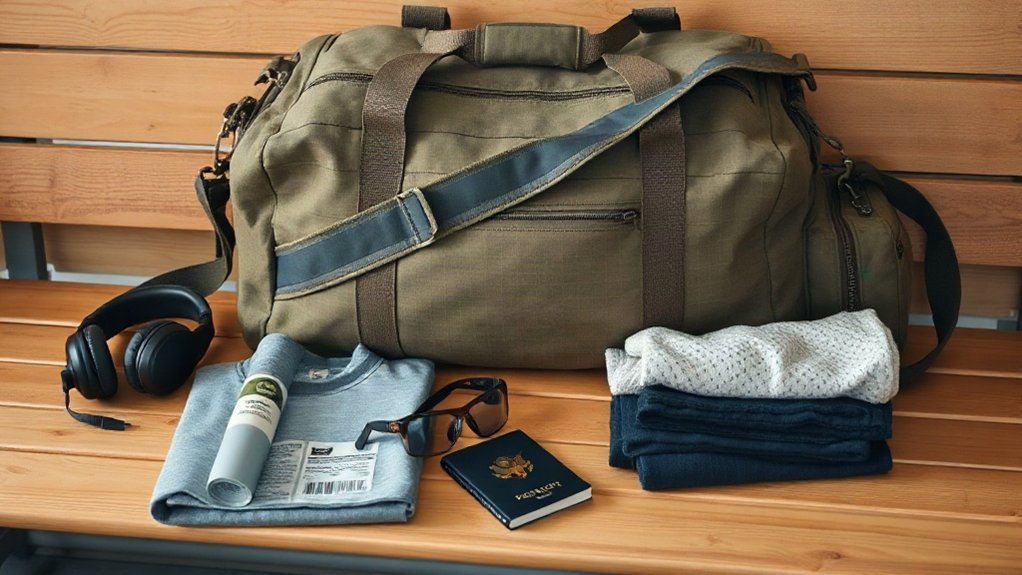
I find a tactical duffel works well as both a range bag and a travel bag when I use removable organisers or packing cubes to separate equipment from clothing. Its flexible main compartment suits mixed loads, while a dedicated range bag usually offers faster access and more specialised storage. I’d choose capacity and carrying options to match my load and route, then check current airline and firearm transport rules. The right features can make switching between uses much easier.
Key Takeaways
- Yes, a tactical duffel can carry range equipment, clothing, and travel essentials when flexible storage matters more than specialised compartments.
- Use removable dividers or packing cubes to separate range gear from clothing and keep frequently needed items accessible.
- Choose capacity for your typical load: 20–40 litres suits many training setups, while mixed or bulky loads may need 40 litres or more.
- Look for durable fabric, reinforced construction, secure closures, and carrying options suited to your load and route.
- Before flying, check airline baggage limits and current firearm and ammunition transport rules; a tactical bag does not ensure compliance.
Can a Tactical Duffel Serve Both Uses?
If you need one bag for the range and the road, a tactical duffel can handle both by carrying equipment, clothing, and other bulky items in a flexible main compartment. I’d choose a tactical duffel bag when I want one adaptable carry option, but I’d use small organisers or separate pouches to keep range gear easy to find. The 5.11 Tactical Patrol Ready holds 40 litres and includes multiple compartments and removable dividers for duty equipment or travel items. For changing loads, the Condor Colossus offers a 10 × 21 × 12-inch main compartment, an expandable side pocket, and stowable backpack straps. Before choosing a tactical travel bag, I’d check capacity, durable construction, secure zippers, strong handles, and whether wheels would simplify heavier travel. A range bag setup may require organisers. Dual-purpose use can reduce the need to pack separate bags for range trips and travel.
How Do Duffels Compare With Range Bags and Backpacks?
I’d choose a range bag when you need quick access to carefully organised gear, while a duffel gives you more flexible space for equipment, clothing and travel. Duffel features vary, so I’d check for useful extras such as separate compartments or stowable backpack straps. For longer walks, a backpack can distribute weight more comfortably; choose based on your storage and carrying needs. A duffel can be easier to maneuver than a wheeled suitcase on rough terrain.
Specialised Equipment Organisation
How much specialised organisation do you need? I’d choose a dedicated range bag when quick access and purpose-built storage matter most. Its compartments keep equipment arranged for range use, rather than mixed with travel gear. For a more adaptable setup, tactical duffel bags can carry range equipment alongside clothing and essentials. A deployment bag offers a similar roomy format, while packing cubes can help separate items without fixed dividers.
Consider specific designs before you buy. The 5.11 Tactical Patrol Ready 40L has removable dividers and multiple pockets for duty gear, notebooks and small items. The XWL Sports Tactical Duffel separates equipment into compartments and adds an expandable pocket for dirty clothes or shoes. I’d pick a specialist range bag for access, a duffel for mixed loads, or a backpack when shoulder comfort over distance comes first.
Flexible Travel Storage
For mixed range and travel loads, I’d choose a tactical duffel when flexible space matters more than equipment-specific layout. It lets me combine range gear, clothing, and travel essentials without committing every item to a dedicated compartment. A specialist range bag, by contrast, gives equipment more tailored storage and quicker access.
I’d weigh three practical options:
- Choose a duffel for adaptable storage; the Condor Colossus, for example, has a 10 × 21 × 12-inch main compartment, expandable side pocket, shoe compartment, and stowaway backpack straps.
- Choose a range bag when organised access to specific equipment matters most.
- Choose a backpack for longer walks, or rolling luggage for heavier loads across airports and paved routes.
That flexibility lets me move between range days and travel without packing two separate bags.
Carrying Comfort and Capacity
When I compare carrying comfort and capacity, I match the bag to the load and distance. A tactical duffel gives me flexible room for range gear, clothes, and travel essentials; a specialist range bag trades that flexibility for dedicated compartments and faster access. I use capacity as a guide:
| Capacity | Best fit |
|---|---|
| Under 20L | Compact essentials |
| 20–40L | General training |
| 40L or more | Larger loads or extra clothing |
For longer walks, a backpack distributes weight across both shoulders. Some duffels add backpack straps, while padded grab handles help with short carries. A 50 liter duffel suits bulky mixed gear, but I’d choose rolling luggage on paved routes when the load gets heavy. With a duffel, I keep flexible carry options without wheels—and choose the setup that fits my route.
What Makes a Duffel Work for Range Use?
For range use, I look for compartments that keep gear organised and essentials easy to reach, with dividers I can adjust to the load. Durable fabric, reinforced stitching and a tough base help a duffel stand up to regular use. Secure zippers and lockable closures help protect what I pack. Small internal pouches can keep accessories organised and prevent them from getting lost among larger items.
Organised Gear Storage
A range-ready duffel keeps equipment, clothing, and small accessories separated instead of piled together. I look for multiple compartments, internal dividers, and mesh pockets so you can find frequently used items quickly and keep your kit in order.
- Sort by use: Place range equipment in its own section and keep clothing apart from smaller accessories.
- Separate footwear: A shoe compartment helps isolate dirty shoes; a mesh vent panel can aid airflow. For damp gear, I use a lightweight waterproof bag or dedicated compartment to keep clean contents dry.
- Check packed shape: A reinforced or hard base helps the duffel hold its shape, making organised packing easier.
With sensible storage, you can pack for the range and move on to travel without rummaging through a single crowded main compartment.
Durable, Secure Construction
Since range bags take regular handling and may carry heavy gear, I look for abrasion-resistant 600D polyester or 1000D nylon, reinforced stitching, and a reinforced or PVC-lined base. For extra toughness, 1000d cordura can handle demanding use, while bar tack stitching strengthens stress points such as handles and strap attachments. A water-resistant fabric or lining helps shield contents from splashes and rain. I also check that the bottom is firm enough to hold its shape and stand upright; rubber feet can reduce wear and keep the bag steady when I set it down. Heavy-duty zippers matter, too. Lockable zipper sliders let me secure the main compartment when needed. Strong handles, a padded shoulder strap, and side drag handles give me practical options for carrying or moving a heavier load.
Which Range Features Matter Most?
When choosing a range duffel, I’d prioritise compartments or removable dividers that separate equipment, clothing and other gear while keeping essentials easy to reach. For flexible organisation, I’d look for:
- A water resistant exterior and a separate shoe or expandable side compartment to keep damp or dirty items away from clean gear.
- Secure zippers, sturdy handles and a padded shoulder strap; a lockable main compartment adds useful control when I’m travelling.
- A MOLLE webbing panel, D-rings and multiple pockets for attaching accessories and arranging smaller essentials.
These features let me adapt one bag to changing plans without sacrificing access or order. Tactical duffels are often built with heavy-duty materials and reinforced construction to handle demanding use and heavy loads. I’d still compare the layout with a dedicated range bag, which often provides more specialised organisation. The right setup gives me room to move between the range and everyday travel, while keeping gear separated, secure and ready when I need it.
How Much Duffel Capacity Do You Need?
How much capacity you need depends on what you actually carry. For a compact range setup with only essential equipment, I’d look at a duffel under 20 liters. A 20–40-liter bag gives you more flexibility for general training and organised equipment loads without taking on unnecessary bulk. Choose 40 liters or more when you need space for larger gear, clothing, or a mixed load.
The Range Ready Bag holds 43 liters, providing purpose-built room for organised range storage and a larger equipment load. I’d match the bag to your typical packing list: flexible duffel space can handle clothing and equipment, while a dedicated range bag puts specialised organisation first. A 70 liter duffel may be excessive for essentials, but suits a larger load. For a week away, the right capacity depends on your trip type and packing style. Don’t choose by capacity alone: consider what you carry, not just a gym bag label.
Can a Tactical Duffel Work for Travel?
A tactical duffel can work as both a range bag and travel luggage if you need flexible space for equipment, clothing, and other mixed loads. I’d choose one with durable fabric, secure zippers, strong handles, and compartments that keep essentials accessible. For a practical travel gear bag, check these details:
- Capacity: A 20–40L bag suits many organised loads; choose 40L or more for bulkier gear and clothing.
- Organisation: A duffel adapts well to mixed travel items, though a specialist range bag may organise equipment better.
- Features: Compression helps control packed contents, and wheels can ease heavier loads through airports and hotels.
Before flying, verify airline baggage limits and confirm whether your packed bag must go as a checked bag. Soft-sided bags may be measured differently when their contents affect their shape, so check the airline’s size limits. That lets me travel with range gear and everyday essentials in one flexible carryall.
When Is Rolling Luggage a Better Choice?
I’d choose rolling luggage for heavy or bulky mixes of clothing and equipment that would be awkward to carry by hand. Wheels make those loads easier to move through airports, hotels, and other smooth, paved routes. For regular travel, I’d compare capacity, durability, organisation, handles, compression, wheels, and closures. Whichever style you choose, abrasion-resistant fabric and reinforced seams can help a bag withstand the rough handling of baggage systems.
Heavy or Bulky Loads
When your load includes substantial clothing and range equipment, rolling luggage is often easier to manage than carrying a duffel through airports and hotels. Wheels reduce strain when I move bulky gear over long distances, while a tactical duffel’s hand or shoulder carry can become tiring. For a lighter, flexible setup, I’d still choose a duffel.
Before buying a wheeled duffel or other rolling bag, I check:
- Capacity: Will it fit clothing and equipment without overpacking?
- Build: Are materials heavy duty, and do closures feel secure?
- Handling: Are handles comfortable, and is the interior organised for my gear?
I also match the wheels to my intended route. The right choice gives me more freedom to travel with a substantial load, without making every transfer a carrying test.
Smooth, Paved Routes
On smooth, paved routes such as airport floors and hotel corridors, I prefer rolling luggage when I’m moving a heavy mix of clothing and range gear. Wheels spare your shoulders and let you cover long stretches with less effort, giving you more freedom to manage your trip.
| Check | Why it matters |
|---|---|
| Capacity and organisation | Fit clothing and range equipment separately |
| Durability and closures | Protect contents through regular travel |
| Handle and wheels | Move heavy loads reliably |
I compare handle strength, wheel quality, and secure closures before choosing a wheeled bag. A tactical duffel still offers flexible storage, but carrying it becomes tiring over distance. Look for durable materials such as 600d polyester, a tarpaulin base, and compression straps to keep gear stable. Choose wheels for heavy loads on pavement; choose a duffel when your route calls for carrying.
How Can You Organise Gear for Both Uses?
How can you keep range gear and travel clothing organised in one duffel? I use dividers or packing cubes to separate each load, while keeping frequently needed items within easy reach. A tactical bag with a u-shaped opening makes it easier to see and access the main compartment without unpacking everything.
> Use dividers to separate range gear and travel clothing, and choose a U-shaped opening for easy access.
- Assign pockets by purpose: I keep small accessories and a water bottle in side pockets, and clothing in the main compartment.
- Contain damp or dirty items: I use a lightweight waterproof bag or a separate wet gear compartment for shoes and laundry.
- Leave room to adapt: I choose enough capacity for both loads and keep the main compartment flexible. The Condor Colossus measures 10 × 21 × 12 inches and adds an expandable side pocket and two internal mesh pockets.
With a simple system, I can switch between range and travel without sacrificing access or flexibility.
What Should You Pack for Each Trip?
What you pack depends on the trip: for a range session, I bring the equipment I need, such as notebooks, gloves, hydration and other duty gear, and keep small items easy to reach in separate pockets or organisers. For training, I add a timer, skills book, hand sanitiser, wet-weather gear or a change of clothes, choosing only what the session requires.
For travel, I pack clothing and toiletries alongside my equipment. An expandable side compartment can separate shoes or dirty clothes from clean items; I also use a waterproof bag to contain wet or dirty range gear. I look for enough capacity, sturdy handles and secure ykk zippers or a weather resistant zipper. A luggage scale helps me check the packed load. Separate-compartment designs, such as the 21-inch XWL, can simplify packing without limiting my options.
Which Airline and Transport Rules Should You Check?
Before you travel, I check the airline’s current cabin and checked-bag size and weight limits; there’s no universal allowance. Don’t assume a tactical duffel will qualify as carry-on just because it looks compact. Brands such as condor outdoor, 11 tactical, and maxpedition offer varied designs, but check each bag’s actual dimensions and capacity against your itinerary.
Check your airline’s current size and weight limits; a compact-looking tactical duffel isn’t automatically carry-on compliant.
- Confirm baggage limits: Review current airline rules for both cabin and checked bags, including weight restrictions.
- Verify regulated items: If you’re carrying firearms or ammunition, check airline and authority requirements for declaration, packaging, and transport. A tactical bag isn’t automatically approved.
- Plan handling: For heavy or mixed loads, consider rolling luggage on paved routes. Check zippers and closures, too; a lockable bag doesn’t establish compliance.
These checks help you travel with more freedom and fewer surprises.
Frequently Asked Questions
Can I Use Any Bag as a Range Bag?
Yes, you can use almost any sturdy bag as a range bag, provided it has enough room, durable construction, and secure closures. I’d choose one that keeps ammunition, tools, and other small items easy to find, using organisers or separate compartments. A waterproof design can help isolate wet or dirty gear. Match capacity to your load: under 20 litres suits essentials, while 20–40 litres works for many typical range trips.
Can a Duffel Bag Be Used for Travel?
Yes, I’d use a duffel bag for travel; a 40–55L capacity can cover many shorter trips without limiting your freedom to pack flexibly. I’d choose durable fabric, secure zippers, sturdy handles, and compartments to keep essentials organised. Backpack straps can make airport transfers easier when I’m carrying a full load. For especially heavy luggage, I’d consider rolling bags instead, since they move more comfortably across paved airport and hotel floors.
Can I Bring My Gun to the Range in a Backpack?
Yes, you can bring your gun to the range in a backpack, but I’d choose one with durable construction, secure closures, and enough room for your equipment. A backpack’s compartments may be less specialised than a range bag’s, so I’d use organisers or dedicated pockets to keep gear easy to find. I’d separate clean equipment from dirty or damp items in a waterproof pouch. Check local laws and range rules for transport and storage requirements.
Can You Take a Carryon and a Duffel Bag Together?
Yes, I can take a carry-on and a duffel together if my airline allows one cabin bag and one personal item. One small measurement can decide whether I board with both: the duffel must fit the airline’s under-seat dimensions to count as a personal item. I’d measure it packed, including bulging pockets, and check weight and item limits. If it’s too large, I’d check it and confirm rules for specialised equipment.
Conclusion
A tactical duffel can handle both range trips and travel if I choose durable fabric, secure compartments, and a size that fits my usual load. I still keep ammunition and firearms separate and check current transport rules before travelling. For context, the FAA limits most spare lithium-ion batteries to 100 watt-hours in carry-on baggage, a useful reminder that travel restrictions can affect ordinary gear too. I’d organise the bag for quick access at the range and easy repacking on the return.
References
Transporting Firearms and Ammunition, https://www.tsa.gov/travel/transporting-firearms-and-ammunition
Lithium Batteries (PackSafe), https://www.faa.gov/hazmat/packsafe/lithium-batteries
18 U.S. Code § 926A – Interstate transportation of firearms, https://www.law.cornell.edu/uscode/text/18/926A