Are Military-Style Backpacks a Good Fit for Your Emergency Go-Bag?
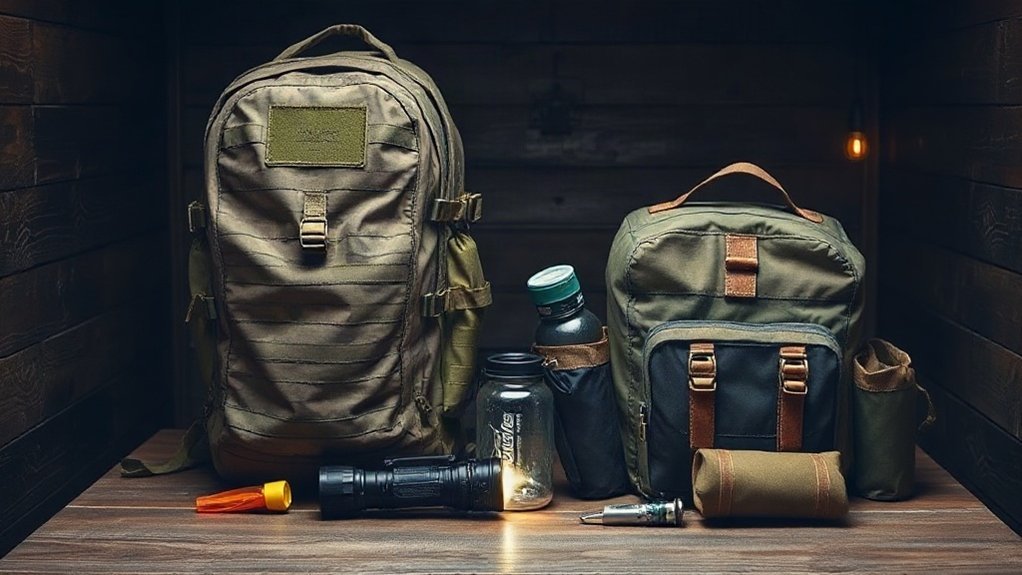
I’d choose a military-style backpack for your emergency go-bag only if it fits your body, carries your essentials comfortably, and lets you reach them quickly. Durable fabric, reliable zippers, adjustable straps, and a padded hip belt matter more than a tactical look. Tactical pockets and MOLLE webbing can help organize gear, but may add bulk you don’t need. Load the pack and test it before relying on it; the details below can help you choose, pack, and maintain it safely.
Key Takeaways
- Military-style packs can suit go-bags with durable construction, adjustable straps, and quick-access compartments, but appearance alone does not make a pack suitable.
- Match capacity and pocket layout to your kit; 30–45 liters suits many go-bags, while excessive pockets or space can encourage overpacking.
- For packs over 30–35 liters, choose a well-fitted, padded hip belt and aim to carry at least 60% of the load on your hips.
- Tactical pockets and MOLLE/PALS webbing help with modular organization, but a simpler, low-key pack may better fit bulky supplies and attract less attention.
- Test the loaded pack on varied terrain, checking comfort, balance, quick access to essentials, and secure straps before relying on it.
Are Military-Style Packs a Good Choice for Emergencies?
Military-style packs can make good emergency go-bags if their durable construction, adjustable straps, and quick-access compartments suit your supplies. I’d judge military-style backpacks by how well they carry the essentials you may need to leave quickly, not by appearance alone. A tactical backpack can offer useful organization, but specialized pockets may not suit every kit; a simpler main compartment may work better for bulky items.
For most civilians, I’d look at 30–45 liters to balance capacity and mobility. If you choose a pack over 30–35 liters, make sure it has a padded hip belt to improve load distribution and ease shoulder strain. If you want to blend in, skip camouflage, bright colors, and excessive webbing. Modular design can make it easier to adapt a pack’s storage to changing emergency needs. Before buying, load the pack and try it on; a secure, comfortable fit supports safer movement when plans change.
Which Backpack Features Matter Most for a Go-Bag?
I look for a durable, water-resistant pack with reinforced stitching, adjustable straps, and a padded back; a hip belt helps carry heavier loads safely. I also prioritize easy access to essentials and enough organization without excess pockets. A simple, low-key design draws less attention, and I’d choose modular webbing only if I need the attachments. For long-term reliability, compare fabric denier alongside stitching and hardware quality.
Comfortable Load Support
When a go-bag holds more than 30–35 liters, choose a pack with a well-fitted hip belt that transfers at least 60% of the load to your hips. I check torso length before buying; a belt that sits incorrectly won’t protect your shoulders or support steady movement. Look for a contoured, padded belt with pull-forward adjustments, springy shoulder cushioning, and load lifter straps that bring the pack close to your body. Aluminum frame stays or a rigid internal frame help control weight; internal frames usually feel lighter and move more naturally with you. For most civilians, 30–45 liters balances capacity and mobility, while a full bug-out load may need 40–55 liters. I try each pack loaded. Choose a secure fit over extra features, and avoid excess capacity that tempts you to overpack.
Practical Storage Access
How quickly can you reach what matters when every minute counts? I’d choose a front-loading or hybrid-access tactical assault pack so I can find supplies without emptying the bag. A top-loader may bury essentials beneath everything else.
I look for a useful mix of main, interior, and external pockets. I keep a map, flashlight, canteen, or multitool in accessible outer pockets, and medical supplies in a quick-access compartment. Packing cubes can separate food, water, and gear, while a removable divider helps organize a large main compartment. An admin pouch keeps small items together; molle webbing can add storage options.
Before buying, I check pocket layout and usable capacity against my actual loadout. A bag’s stated volume doesn’t guarantee it’ll fit my gear efficiently—or let me reach urgent supplies fast when plans change.
Durable, Low-Profile Design
Because a go-bag may face rough handling and bad weather, I look for durable fabric, reinforced stitching, and sturdy zippers and buckles. A pack made with 1000d cordura nylon and ykk zippers can offer dependable durability, but I still check construction and hardware before buying. Water-resistant material helps shield supplies from rain; I add a waterproof liner or container for extra protection.
I also favor a low-profile design: a simple two-strap pack in gray or earth tones draws less attention than camouflage, bright colors, or excessive MOLLE webbing. Comfort matters when I need to move quickly. I look for a padded back and adjustable straps, plus a hip belt on packs over 30–35 liters. A 30–45-liter capacity often balances mobility and storage; I keep essentials accessible and avoid overpacking.
How Do Tactical Packs Compare With Other Emergency Backpacks?
Compared with technical hiking packs, tactical packs offer more small pockets and MOLLE/PALS webbing for attaching gear, while hiking packs favor a large main compartment and simpler organization. I’d choose based on access, durability, and how you’ll carry supplies—not a “72-hour” label, which isn’t standardized.
- A military rucksack’s pockets can keep first aid and tools easy to reach.
- MOLLE adds flexibility, but conspicuous webbing or camouflage may draw attention.
- For loads above 30–35 liters, I’d want a supportive shoulder harness and hip belt.
- Check that the belt transfers at least 60% of the pack’s weight to your hips for safer heavy load carry.
- A 40–55-liter capacity suits many emergency kits, but shape and layout affect usable space.
A 3-day assault pack and a 40-liter hiking bag offer different trade-offs in capacity, comfort, organization, and durability.
Compare the loaded pack before relying on it; comfort and discreet access matter more than its tactical label.
What Size and Fit Suit Your Emergency Load?
Choose pack capacity around the supplies, climate, household needs, and evacuation time you expect: a 30–45L bag suits many go-bags, while 45–55L can fit a fuller kit or bulky cold-weather clothing. For a bug out bag you may need to carry on foot, I’d favor the smallest rucksack that meets your needs; an oversized load can quickly cause fatigue. Avoid packs above about 65L unless you have backpacking experience.
For packs over 30–35L, look for a hip belt and a lumbar support pad that sits comfortably against your lower back. I try a loaded pack before buying: adjust the shoulder straps and belt, then check that my hips carry at least 60% of the weight. Compression straps can help stabilize the load. Load-lifter straps can help transfer weight toward your hips and reduce strain on your shoulders. Fit matters more than price or extra features; a secure, manageable pack supports safer movement and greater independence.
How Should You Pack and Organize a Go-Bag?
Pack your go-bag so essentials are protected and easy to reach. I organize a manageable loadout around my household’s needs, local hazards, weather, and expected time away. A military-style daysack can help separate supplies, but avoid overpacking so you can move freely.
A well-organized go-bag keeps essentials protected and accessible without weighing you down. Shape your loadout around your household, local hazards, and time away.
- Carry at least three days of water and compact, nonperishable food; use a hydration bladder sleeve if it suits your setup.
- Place first aid and essential medications near the top.
- Keep a flashlight, map, and water bottle in easy-access pockets.
- Group clothes and toiletries; use compartments or waterproof containers to protect supplies.
- Add light, shelter, and family-specific essentials; adjust quantities for your situation.
Arrange frequently used supplies in easy-access pouches so you can reach them quickly. I tighten the sternum strap for a secure carry. Every six months, I replace expired supplies, rotate seasonal clothing, and test electronics.
How Do You Test and Maintain Your Emergency Pack?
I load my pack with its intended gear and walk in it to check comfort, balance, and hip-belt fit. I also test key equipment and practice reaching first aid, medication, water, and a flashlight quickly. Every six months, I review supplies, replace expired items, and update seasonal clothing and plans. I measure my torso and adjust the frame and harness so the hip belt rests comfortably over my hips and carries the load.
Test the Loaded Pack
Before relying on your emergency go-bag, load it with the gear you intend to carry and take it for a walk over varied terrain. I use this test to find problems before they matter in an evacuation.
- Check that the hip belt feels secure and comfortable; with packs over 30–35 liters, aim to carry at least 60% of the weight on your hips.
- Notice whether straps, seams, or shifting gear cause discomfort or throw off your balance.
- Practice reaching and operating your flashlight, radio, and first-aid supplies without unpacking everything.
- Confirm the pals webbing grid holds attached gear firmly, and consider whether 500d cordura fabric, a drainage grommet, and a field repair kit suit your needs.
- Adjust the load, then walk again until you can move safely and access essentials quickly.
Inspect Gear Regularly
A go-bag needs regular checks to stay ready for an emergency. Every six months, I inspect seams, zippers, itw nexus buckles, duraflex hardware, straps, webbing, and water-resistant fabric for wear or damage. I repair or replace compromised parts before they fail in the field.
I test flashlights, lanterns, radios, phones, and power banks, then recharge or replace batteries as needed. At least yearly, I check food dates and replace expired food, medications, and other supplies; I refresh commonly used pantry foods every couple of months. I also try on the loaded pack and practice reaching first aid and medication without rummaging. I adjust the fit and straps if needed, update seasonal clothing and plan details, and tell family members about changes. These checks support preparedness and help me leave quickly with confidence.
Refresh Supplies Seasonally
As seasons change, I rotate clothing to match expected weather, choosing durable layers and packing only what I need. Whether I carry a condor outdoor, 11 tactical, or eberlestock pack, I keep its rain cover accessible and check supplies every couple of months.
- Replace stale, damaged, or unsuitable items.
- Check food dates yearly; replace expired food and rotate pantry staples.
- Test flashlights, lanterns, radios, batteries, and power banks; practice using them.
- Review medications and personal supplies for changing household needs.
- Update contacts, phone numbers, and evacuation details, then tell family what changed.
I also test the loaded pack’s comfort and access before relying on it. Regular checks help me leave quickly with dependable gear, rather than discover a dead battery or missing layer when conditions turn dangerous. I mark review dates on my calendar.
Frequently Asked Questions
What Is the Best Backpack for Emergency Go Bags?
I’d choose a durable, comfortable 30–45-liter backpack for most emergency go-bags; it holds essentials without becoming cumbersome. If you’re packing for several days, consider 45–55 liters, but avoid carrying more than you can manage safely. Look for two padded shoulder straps, an adjustable fit, and a hip belt on larger packs. I’d also prioritize easy-access openings, a few useful pockets, water-resistant fabric, reinforced stitching, and subdued colors. Try it loaded before deciding.
What to Pack in an Emergency Bag During War?
For a war emergency bag, I’d pack essentials that help you stay hydrated, warm, informed, and mobile. Carry three days of compact food and water, plus purification tablets or a filter. Add first aid, personal medicines, glasses, and bleeding-control supplies; learn to use them. Include sturdy shoes, weather layers, a rain shell, and blanket. Pack a flashlight, spare batteries, power bank, radio, map, compass, cash, documents, keys, and family contacts.
What Is the Best Military Backpack for Travel?
I’d choose a durable, low-profile two-strap backpack with 30–45 liters for most trips; it offers useful capacity without sacrificing mobility. Look for water-resistant fabric, reinforced stitching, adjustable straps, a roomy front-loading compartment, and quick-access pockets. Skip camouflage and excessive MOLLE webbing if you want to blend in. For packs over 30–35 liters, I’d insist on a hip belt, load the bag, and test its fit before traveling.
What Should Be in Your Emergency Go Bag?
I’d pack enough water for everyone, a backup filter or purification tablets, and at least three days of compact, nonperishable food. Add a flashlight and spare batteries, radio, charged power bank and cable, local map and compass, weather-appropriate clothing, rain gear, sturdy shoes, and a blanket or sleeping bag per person. I’d also carry first aid, medications, hygiene supplies, whistle, multitool, waterproof matches, document copies, contacts, cash, and spare keys.
Conclusion
I’d choose a military-style backpack only if it fits comfortably, carries my essentials securely, and doesn’t tempt me to pack beyond what I can manage. Tough fabric and useful organization can help, but camouflage and extra webbing won’t replace water, medication, or a practiced plan. Before an emergency asks more of you, load the bag, walk with it, and fix what rubs or rattles. A little preparation now can make a difficult day less unforgiving.
References
Build A Kit | Ready.gov, https://www.ready.gov/kit
Make A Plan | Ready.gov, https://www.ready.gov/plan
Survival Kit Supplies | American Red Cross, https://www.redcross.org/get-help/how-to-prepare-for-emergencies/survival-kit-supplies.html