How Long Do Ground Sheets Last Before They Wear Through?

I’d expect a grounding sheet to last about two to four years, but that’s only a guide; frequent washing, abrasion, and poor care can shorten its life. Silver-fibre sheets may wear sooner, while stainless-steel-fibre versions can last longer. Check the fabric, seams, edges, and connections regularly for thinning, fraying, holes, or weak electrical readings. Don’t rely on appearance or perceived benefits alone. I’ll explain how to care for, test, and replace a worn sheet.
Key Takeaways
- Grounding sheets typically last 2–4 years, though frequent washing or heavy use may shorten their lifespan.
- Silver-fibre sheets often last around three years; stainless-steel-fibre versions may last up to four years.
- Conductive fibres can lose effectiveness before the fabric develops holes, so appearance alone cannot confirm the sheet still works.
- Inspect regularly for thinning, fraying, holes, rough patches, and damage around seams and connections.
- Test conductivity periodically; replace the sheet if readings are weak or intermittent, or if it is extensively damaged.
How Long Do Grounding Sheets Usually Last?

Grounding sheets usually last about 2–4 years, though regular washing may reduce their useful conductivity to 18–24 months. I’d treat that range as a guide, not a guarantee: the conductive material matters. Silver-fibre sheets often remain useful for around three years, while stainless-steel-fibre versions may last up to four.
A ground sheet can still look durable and feel comfortable after its conductivity declines, so appearance alone won’t confirm performance. If you want a practical check, use a continuity tester and compare results over time. Weak readings, thinning, or fraying can signal that replacement is due.
For routine care, I’d wash the sheet every one to two weeks with a small amount of mild detergent. Skip bleach and fabric softener, and air-dry it or choose low heat. These steps help protect the conductive fibres without making upkeep complicated. A moisture barrier may affect how you use the sheet, but it doesn’t guarantee long-lasting conductivity.
What Affects a Grounding Sheet’s Lifespan?
That 2–4-year estimate depends largely on the sheet’s material, use, and care. I’d check the conductive fibre before choosing a replacement: silver-fibre sheets are more delicate and often last about three years, while stainless-steel-fibre versions may reach four.
Frequent washing, abrasion, fabric thinning, and ordinary ageing gradually wear down conductive fibres. Hot water, high-heat drying, and rough handling can speed that process, so I’d use cold or warm gentle cycles, mild detergent, and air-drying. Skip bleach, fabric softener, and whitening agents; they can damage or insulate the fibres.
Sweat, oils, skin cells, and detergent residue can also coat fibres and reduce conductivity, so follow the maker’s cleaning directions. I wouldn’t assume a waterproof coating or moisture-proof label protects conductive threads from wear. Inspect worn areas and connections regularly, and consider gear repair only if the maker supports it. Your habits and the sheet’s construction ultimately shape its useful life.
For coated fabric, shake it out, wipe it clean, dry it completely, and fold it loosely along the same lines to avoid sharp creases that can cause cracking.
How Do Sweat and Oils Affect Conductivity?
As you sleep, sweat, sebum, and shed skin cells can build up on conductive fibres, creating a barrier between the fibres and your skin. This buildup may gradually reduce conductivity; it doesn’t necessarily make a sheet stop working all at once. I treat changes in performance as a reason to check for residue, not as proof that the fibres have worn through.
A breathable, lightweight ground sheet is still reusable, but its protective function depends on keeping the conductive surface in contact with your skin. I recommend washing it every one to two weeks with a small amount of mild liquid detergent. Avoid fabric softener, bleach, whitening agents, and fragranced or 2-in-1 detergents, since residues can coat or damage the fibres. Use cold or warm water on a gentle cycle, and add an extra rinse if detergent remains. These habits help limit buildup and unnecessary abrasion, though they can’t prevent normal wear indefinitely.
How Should You Wash and Dry Grounding Sheets?
To protect the conductive fibres, wash your sheet every one to two weeks in cold or lukewarm water on a gentle cycle. I use a small amount of mild liquid detergent; harsh additives and residue can interfere with conductivity. Keep care simple and follow the manufacturer’s instructions.
- Skip bleach, fabric softener, whitening agents, and 2-in-1 detergents.
- Add an extra rinse now and then to clear detergent, sweat, and body oils.
- Air-dry when possible, or tumble-dry on the lowest heat; remove the sheet promptly.
- Avoid high heat, rough handling, and ironing the conductive area.
If you use a protected underlay, wash it about every three to four months. Don’t assume a waterproof cover needs the same routine as the sheet; check its label. Materials such as polyethylene may be inexpensive and easy to cut, but those traits don’t determine how you should wash a grounding sheet. I’d prioritize its care instructions to limit avoidable wear and keep your routine flexible.
Do Silver or Stainless-Steel Sheets Last Longer?
Stainless-steel-fibre sheets generally last longer than silver-fibre sheets: they may last up to four years, compared with about three years for silver. Stainless steel resists corrosion, while silver fibres offer high conductivity but tend to be more delicate. If you’re choosing between them, consider how often you’ll use the sheet and how much wear it may face; the lifespan figures are estimates, not guarantees.
Either material can weaken over time. Washing, abrasion, residue, and fabric thinning can affect durability, so inspect your sheet periodically for worn areas. I’d compare these options with disposable or lightweight ground barriers such as a tent footprint, tyvek sheet, polycro, or plastic sheeting only if their different uses suit your setup; they aren’t direct substitutes for a conductive sheet. Like a bivy, a ground sheet may wear out faster with frequent use on rough ground or prolonged exposure to the sun.
For either fibre type, follow the care label. Gentle washing with mild detergent, no bleach or fabric softener, and air-drying or low heat can help preserve the fabric and its conductive fibres.
How Can You Extend a Sheet’s Lifespan?

Regardless of whether your sheet uses silver or stainless-steel fibres, careful washing and drying can help it last longer. I keep the routine simple:
> Whether woven with silver or stainless-steel fibres, your sheet can last longer with a little care when washing and drying.
- Wash every one to two weeks in cold or warm water on a gentle cycle. Use a little mild liquid detergent; skip bleach, softener, whitening agents, and detergent-and-softener combinations.
- Air-dry when possible. If you use a tumble dryer, choose its lowest heat and remove the sheet promptly.
- Shower before bed, keep lotions and pets off the fabric, and wash a protective underlay only every three to four months.
- Store the sheet somewhere cool and dry. Periodically check its fabric and conductivity with a continuity tester or multimeter.
When camping, I also limit friction by placing a sleeping pad beneath the sheet and choosing a campsite without sharp debris. A tarp can add protection from ground moisture, but don’t treat its hydrostatic head rating as a substitute for careful handling. These habits help preserve the sheet without restricting where you sleep or travel. A tent ground sheet also takes on abrasion and punctures, helping protect the tent floor from wear.
What Are the Signs a Sheet Is Wearing Out?
I check for thinning, rough patches, holes, fraying, and persistent stains, which can signal fabric or conductive-fiber damage. Conductivity can decline with age and washing, so I use a continuity tester or multimeter to check the connection between the plug and sheet fabric. Fading alone or reduced perceived benefits doesn’t confirm a fault, so I rely on the fabric inspection and conductivity test. After inspecting the sheet, I repack it dry and mark the inspection date so I know when it was last checked.
Visible Fabric Damage
Inspect your grounding sheet regularly for holes, fraying, or broken threads—clear signs its fabric is wearing out. I check it after use and pay special attention to spots that rub against my body, mattress, tent floor, or sleeping bag. Repeated abrasion can weaken fabric gradually, before it wears through.
- Look for thinning or rough patches, especially in areas that bear regular contact.
- Check seams and edges for loose threads or fraying.
- Note persistent stains or fading; these may indicate age or wear, but discoloration alone doesn’t prove conductivity has declined.
- Watch for mildew, which can accompany damp storage and may damage fabric.
I don’t wait for a full hole to assess a sheet. If damage is extensive, I consider replacing it; otherwise, I keep checking periodically and decide based on its condition.
Declining Conductivity
When a grounding sheet wears out, its conductivity may decline gradually as conductive fibres wear, corrode, or collect sweat, body oils, and detergent residue. I wouldn’t judge conductivity by fading alone; instead, I’d check the connection between the plug and fabric with a continuity tester or multimeter. Weak or absent continuity can signal a problem.
Look for thinning, roughness, fraying, holes, and persistent stains, too. These clues matter more than condensation on a bathtub floor, seam sealing, or the condition of grommets unless those features affect the electrical path. Repeated washing and abrasion may reduce conductivity; useful conductivity estimates range from 18–24 months, but care and materials affect lifespan. If a test shows weak conductivity, I’d replace the sheet rather than use perceived benefits as proof it still works.
How Do You Test Sheet Conductivity?
To check a ground sheet’s conductivity, use a continuity tester or multimeter to test the electrical path from its grounding plug to the conductive fabric. I follow the tester’s instructions and check several spots, because wear can vary across the sheet.
Use a continuity tester to check the path from the grounding plug to several spots on the conductive fabric, following the tester’s instructions.
- Set up the tester as its instructions specify; don’t guess at settings.
- Place one probe on the plug’s conductive contact.
- Touch the other probe to a conductive area of the fabric.
- Repeat the test in multiple areas, keeping the stakes, shock cord, and guy line clear of the probes.
A continuous reading indicates an electrical connection. A weak, intermittent, or absent reading may point to worn or damaged conductive fibres. I record what I find and note which areas I tested, especially after packing the sheet for a trip. This test checks the electrical connection only; it doesn’t establish whether the sheet provides health benefits. It gives me a practical check I can do with a packable tester before relying on the sheet outdoors. Like stored shelters, ground sheets can deteriorate over time from UV exposure, heat cycling, and material changes.
When Should You Replace a Grounding Sheet?
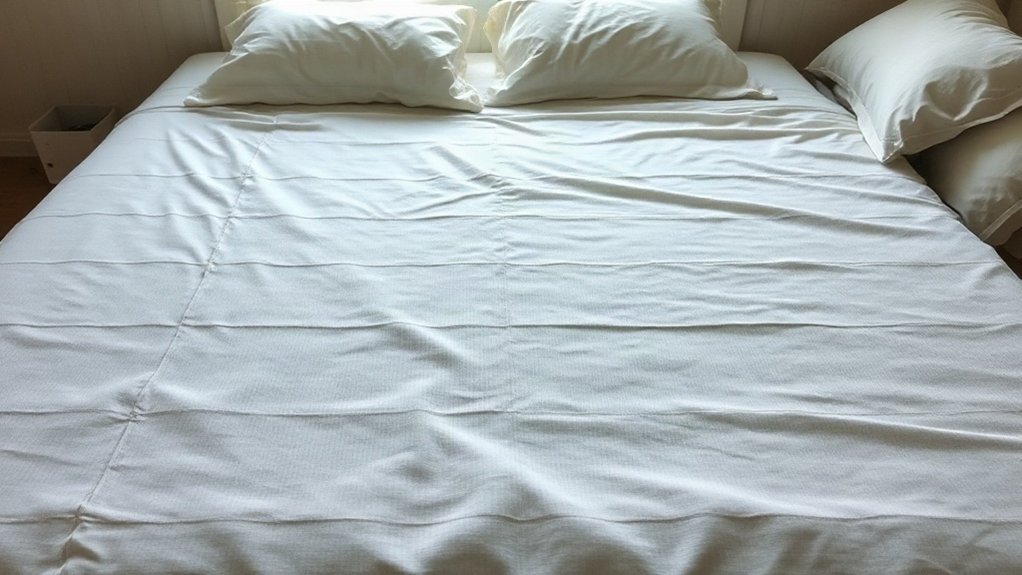
Replace a grounding sheet if a continuity tester shows weak or no connection between the plug and conductive fabric, or if you find holes, fraying, thinning, rough patches, or persistent stains. I check the sheet before trips and after washing; visible damage near a connection deserves particular attention.
| Check | What I find | What I do |
|---|---|---|
| Conductivity | Weak or no connection | Replace |
| Surface | Holes or thinning | Replace |
| Fibre type | Silver or stainless steel | Consider age |
Most sheets last about 2–4 years, but frequent washing, abrasion, and harsh care can shorten that span. Silver-fibre models often last around 3 years; stainless-steel-fibre versions may reach 4. I don’t replace a sheet solely because its benefits seem weaker: conductivity can decline gradually, and perception alone doesn’t prove failure. Like sleeping pads, grounding sheets can fail from connection wear before the surface wears through. Whether I’m backpacking, setting up base camp, car camping, or sleeping in a family tent, I use test results and fabric condition—not a fixed calendar—to decide.
Frequently Asked Questions
What Is the Downside of Grounding Sheets?
The main downside of grounding sheets is that their health benefits remain unproven, so I wouldn’t rely on one to treat a medical condition. You’ll also need to care for it gently: sweat, oils, detergent residue, harsh cleaners, hot water, and high-heat drying can reduce conductivity. The conductive fibres may wear or corrode over time, and the sheet can cost money without delivering a noticeable benefit. I’d check conductivity with a tester.
Do I Leave My Grounding Sheet Plugged in All the Time?
Yes, you can leave your grounding sheet plugged in while you use it—but check one important detail first. I’d connect it only to a properly grounded outlet, verified with an outlet tester, and confirm the sheet includes a 100k-ohm safety resistor. Follow the manufacturer’s instructions, and keep the cord and plug dry and undamaged. You can unplug it between uses if you prefer. If grounding seems unreliable, inspect the connection and check conductivity.
How Can I Tell if My Grounding Sheet Works?
I’d check your grounding sheet’s electrical path with a continuity tester or multimeter, following the manufacturer’s instructions. Test between the grounding plug and the sheet’s conductive fabric; weak or absent continuity may indicate a problem. I’d also use an outlet tester to confirm the outlet is grounded, since an ungrounded outlet can’t connect the sheet to Earth. Wear can prompt testing, but appearance and how you feel don’t prove whether it works.
Can I Put Sheets Over My Grounding Sheet?
Yes, you can put a regular sheet over your grounding sheet. I recommend using just one thin layer of cotton, bamboo, or linen; avoid polyester, microfiber, and other fully synthetic fabrics. For the best connection, keep some bare skin touching the grounding sheet. If you wear pajamas, skip the fitted sheet to avoid extra layers. Cotton or bamboo socks are fine directly on it. Check your manufacturer’s instructions, since materials and thickness vary.
Conclusion
I don’t replace a grounding sheet just because it’s old. I check for thinning fabric, broken conductive threads, and worn connectors, then test conductivity if performance seems doubtful. I follow the care label, wash gently, and avoid harsh bleach or high heat—careful handling may help preserve the sheet, though its lifespan depends on its materials, construction, and use. If damage persists or conductivity fails, I replace it. No sheet lasts forever, and a worn-out one can’t be repaired by wishful thinking.
References
I can’t verify three authoritative, directly relevant public sources about how long grounding sheets last before wearing through. Rather than provide potentially unrelated or unverified links, I’m not listing references.