How Do You Set Up Chest Rigs So Magazines Sit Within Reach?
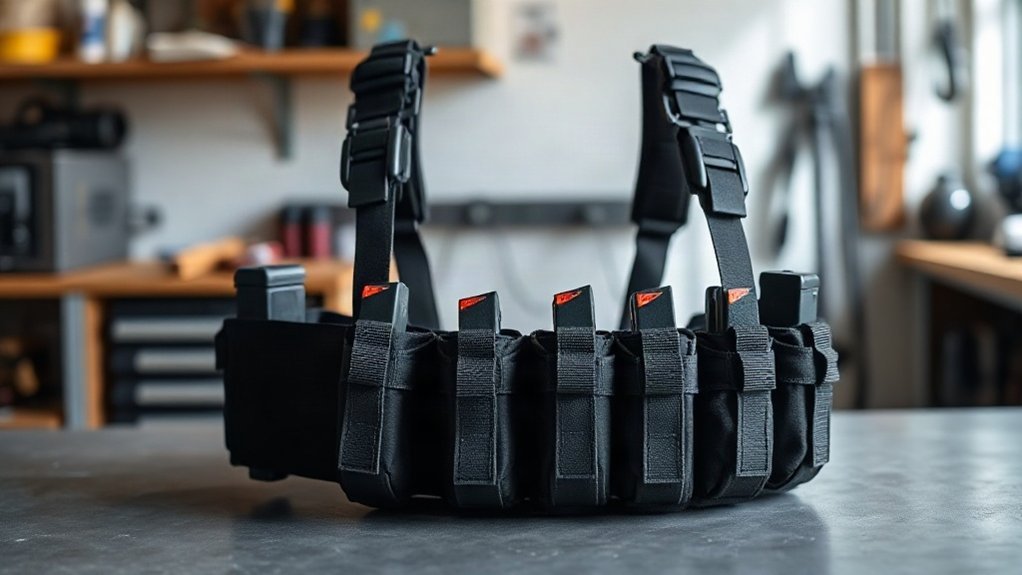
I place primary magazines across the center front, where I can reach them without shifting the rig. I choose pouches that fit each magazine type and confirm they retain magazines securely while allowing smooth draws and reinsertions. I keep the inner sides slim so gear won’t interfere with rifle handling. Then I adjust the rig over my usual clothing and test access with either hand, while moving and wearing a backpack. The steps below cover fit, capacity, and mission-specific gear.
Key Takeaways
- Place primary magazines in central front pouches where your hands naturally fall, keeping the rig’s inner sides clear.
- Test each magazine type in its pouch; confirm it draws smoothly, reinserts easily, and stays secure during movement.
- Adjust the rig over your usual clothing so it stays stable without restricting mobility or crowding your armpits.
- Practice drawing and reinserting magazines from both sides while standing and moving, without changing your stance.
- Add wing-pouch capacity only when needed, ensuring extra magazines remain reachable without disrupting your normal draw path.
Place Primary Magazines Across Your Chest Rig
Place your primary magazines in the rig’s central pouches, where you can reach them without working around bulky gear. I keep the inner sides relatively slim; extra weight there can interfere with rifle handling. For quick access, I position each magazine pouch across the front where my hands naturally fall, then check that I can draw and replace magazines without shifting the rig. I use magazine inserts when they help organize the load, and I verify retention with movement and controlled practice. Oversized sewn-in pouches can accept different magazine types, including AK and .308 magazines, while making reinsertion easier. I treat wing pouches as optional capacity: each can hold two magazines, but I leave them empty unless a drill or mission requires more ammunition. When possible, I carry reserves in a backpack. Pouch spacing can help keep magazines accessible without crowding other gear.
Choose Pouches That Fit Your Magazines
I choose oversized sewn-in pouches that fit the magazine types I carry, including AK and .308 magazines. Roomier pouches let me reinsert magazines more easily during drills. I avoid overloading wing pouches if added thickness affects rifle handling, and I keep spare magazines in my backpack when possible. Matching pouch shapes to specific tasks helps keep MOLLE pouches practical and accessible.
Match Magazine Types
Choose pouches around the magazines you actually carry, since AK and .308 magazines may need more room than standard sizes. I match each mag pouch to its magazine, then test the fit in my chest rig before settling my loadout. Oversized pouches can support mixed setups without forcing you to standardize.
| Magazine type | Fit to check | Setup note |
|---|---|---|
| Standard | Width and retention | Confirm secure seating |
| AK | Curved profile | Allow extra room |
| .308 | Length and bulk | Choose oversized pouch |
| Mixed | Each magazine | Test every type |
| Spare | Draw and return | Use outboard pouch |
The Bees Recon rig’s wing pouches each hold two magazines, giving me options for varied setups. I add an outboard pouch when drills or a task call for extra ammunition. Check that each magazine stays secure yet draws and reinserts smoothly, especially when switching firearms.
Prioritize Easy Reinsertion
For reliable reinsertion, I use oversized pouches that leave enough room for each magazine without sacrificing retention. A snug fit can slow magazine reinsertion, especially when I’m working quickly or wearing gloves. I check that each pouch accepts my magazines smoothly and that elastic retention holds them securely without pinching or obstructing access.
The Bees Recon rig’s wing pouches each hold two magazines and accommodate different types, including AK and .308 magazines. That adaptable layout lets me use one rig with different firearms rather than maintain separate setups. I keep magazines off the rig’s inner sides, where added thickness can interfere with rifle handling. When I configure chest rigs, I balance clearance, retention, and reach so I can reload efficiently while moving freely. I test each pouch with my actual magazines before relying on it.
Keep Inner Sides Clear for Rifle Handling
To keep the rifle easy to shoulder, I leave the chest rig’s inner sides clear of extra magazines. A split front chest rig or micro chest rig can still provide quick access: I place only essential items in each magazine pouch and use wing capacity selectively. When practical, I stow spare magazines in my backpack. That keeps the rig slim, the armpits clear, and room available for items I need quickly. It also reduces chafing and interference from pack straps.
I arrange the remaining pouches by use frequency so the items I reach for most are easiest to grab.
| Choice | Practical effect | What I gain |
|---|---|---|
| Clear inner sides | Less bulk | Easier shouldering |
| Selective wing loading | Fewer magazines | Freedom to move |
| Spares in backpack | Slimmer rig | Clear armpits |
I check the fit with my rifle and pack before heading out.
Adjust Your Chest Rig With Pull-Forward Straps
When I adjust my chest rig, pull-forward straps let me tighten or loosen it from the front without reaching behind me. I set each strap so magazines stay within reach while the rig’s inner sides remain slim and clear for rifle handling. This adjustability helps me adapt the fit when I switch from a jacket to lighter clothing; I retighten or loosen the straps rather than accepting a loose or restrictive setup.
I check the harness with my backpack on, keeping the armpit area clear to limit chafing and prevent interference with the pack. I snug the rig enough to keep it stable during movement, but avoid excess tension that restricts mobility or adds bulk. A properly adjusted fit supports comfort and lets me move freely without compromising access to my equipment. Smooth strap routing and a low-friction layer can also help reduce rubbing under the arms.
Test Magazine Access With Either Hand
I test each pouch from both sides to confirm you can reach it comfortably with either hand. Practice drawing magazines with each hand, then reinsert them without changing your stance. If reinsertion feels awkward, adjust the pouch position before relying on the setup. A stable torso fit helps keep the rig in place as you reach.
Reach From Either Side
After setting the fit, I test each wing pouch with both hands, drawing and reinserting magazines without snagging. I check access from either side while standing and moving naturally, then adjust pouch position until each magazine clears the opening and returns smoothly. Oversized sewn-in wing pouches can hold two magazines apiece, including AK or .308 patterns, so I verify the specific magazines I carry rather than assume one fit suits all. I keep the inner side clear of extra magazines; added bulk can restrict rifle handling. If a drill or mission requires more ammunition, I use the outboard pouch instead of loading it by default. I set the pull-forward adjustment for a secure fit over clothing layers, then recheck reach. The h-harness, molle webbing, and load bearing equipment should stay stable as I adjust.
Practice Both-Hand Draws
A fit check is only useful if I can draw and reinsert a magazine with either hand. At range use, I test each magazine pouch from both sides, wearing my usual layers. I adjust the placard system’s pull-forward fit as clothing changes, then confirm each opening remains reachable.
| Check | Practical test |
|---|---|
| Left hand | Draw from each pouch |
| Right hand | Repeat the same draw |
| Clothing | Test usual layers |
I favor oversized, sewn-in pouches when they accept different magazine types, including AK and .308, without restricting access. I keep the rig’s inner sides slim: extra magazines there can interfere with rifle handling. When I need more ammunition, I carry spares in a backpack instead of crowding the rig. This keeps immediately accessible items within reach and lets me move freely while maintaining consistent access from either side.
Check Magazine Reinsertion
Can you reinsert a magazine cleanly with either hand? I check this before I settle on a chest-rig layout, because a pouch that draws well may still make reinsertion awkward. With an unloaded rifle and magazines, I test each side from realistic positions, keeping the muzzle pointed safely. I confirm the pouch opening guides the magazine without snagging and that the opposite pouch or its contents don’t obstruct rifle handling.
On a plate carrier or molle rig, oversized sewn-in pouches can provide useful clearance, provided they still retain the magazines securely. I keep inner-side pouches slim; extra magazines there can crowd the rifle. I use wing-pouch capacity for drills or added ammunition, but leave them unfilled when bulk slows access. I repeat the check on range day before choosing my final setup.
Check the Fit Over Your Usual Layers
Adjust your chest rig over the clothing you normally wear, then check that its pull-forward straps let you tighten or loosen the fit as layers change. I test magazine access over both a bulky jacket and lighter clothing; the magazines should stay within reach without restricting movement. Check that padded shoulder straps sit comfortably and don’t crowd your armpits, where excess material can chafe or interfere with straps. Keep the inner sides of the magazine pouches slim; extra magazines there can hinder rifle handling. I also check the lower edge with my waist strap secured and keep the belt line clear rather than adding a dangler. Make these adjustments with your usual load, then confirm you can draw and replace magazines smoothly. A secure fit should support movement, not limit it. For smaller builds, adjustable straps can help keep the rig secure without compromising magazine access.
Fit Your Chest Rig Around a Backpack
When I wear a chest rig with a backpack, I keep the rig’s belt line clear so the pack’s kidney strap sits comfortably, and leave the armpit area open to prevent chafing or interference with the shoulder straps. This lets me move without adding a dangler or restricting my range.
- I treat the rig as a quick-access layer: magazines stay reachable, while water and spares ride in the pack.
- I accept about five seconds to retrieve water rather than adding weight and thickness to my chest. A hydration bladder carrier can keep water accessible without crowding the rig.
- I check how the x-harness and swiftclip connect and sit with the pack loaded, then adjust for stable movement.
I choose this lighter setup when mobility and endurance matter more than a plate carrier’s protection. Chest rigs are designed to keep essential gear accessible while leaving the wearer’s torso less encumbered.
Keep Armpits and Belt Line Clear
I keep the rig’s inner sides and armpit area clear to reduce chafing and prevent snags against a backpack. I leave the belt line unobstructed so the pack’s kidney strap can sit correctly without a dangler. I carry water and reserve magazines in the pack, preserving quick access and keeping bulk off the rig.
Reduce Armpit Chafing
To reduce chafing and keep backpack straps clear, I leave the rig’s sides and armpit area free of gear. I don’t add magazines to the inner sides of the wing pouches: extra thickness can crowd my arms and interfere with rifle handling. Keep the layout streamlined so you can move freely and shoulder your rifle without obstruction.
- Check arm clearance: Raise and lower your arms; remove anything that rubs or restricts movement.
- Test with a pack: Wear your backpack and confirm its straps lie flat against your body, without catching on pouches or hardware.
- Secure loose edges: Adjust the side release buckle and webbing so they don’t shift into your armpits. Choose durable 500d cordura for an admin pouch mounted away from high-friction areas. I keep the belt line clear, with no dangler, for comfort.
Preserve Belt-Line Clearance
Keep the belt line clear so a backpack’s kidney strap can sit comfortably without catching on the rig. I don’t use a dangler pouch or place bulky gear below the chest rig; that space lets the strap settle flat and move with you. Keep the armpit area clear, too. Extra magazines or pouches there can chafe and interfere with your backpack’s shoulder straps. Avoid stacking magazines along the rig’s inner sides, where added thickness can restrict rifle handling. I carry water and spare magazines in my backpack instead of adding bulk at my waist or under my arms. Reserve the tactical chest rig for items you need to reach quickly. This layout keeps essential magazines accessible while preserving mobility, comfort, and freedom of movement under a loaded pack.
Use Outboard Pouches for Extra Ammunition
When a drill or mission calls for more ammunition, I use an outboard wing pouch, which holds two magazines and fits a range of sizes, including AK and .308 magazines. I add it only when the task requires extra capacity; otherwise, I leave it off.
- Keep the rig’s inner side clear of spare magazines. Added thickness there can interfere with rifle handling and compromise a clean mount.
- Place the outboard pouch where you can reach it without changing your normal draw path. Check access from both shoulders and while moving.
- Treat its capacity as optional flexibility, not a fixed load. One rig can support different firearms without separate magazine setups.
Brands such as HSGI and Spiritus Systems offer examples; check construction, including 1000D Cordura, before choosing a pouch.
Choose Extra Gear for Each Mission
What extra gear does the mission require? I keep my chest rig light and reserve front-pouch space for essentials I need quickly. For navigation and observation, I may carry a Garmin 701 for GPS and ballistic calculations, a headlamp, and a compact note bag with paper, pens, and a range card. I add a laser rangefinder for long-range static shooting; for general-purpose or competition rifle use, scope-based ranging or dead reckoning may suffice.
I pair the rig with a backpack, stowing water and spare magazines there to limit bulk and preserve access. I add shears, gauze, and an extra tourniquet when the task warrants them, then keep medical supplies clean and dry during training. Whether I choose haley strategic or velocity systems gear, I size each pouch, including a radio pouch, to the mission.
Frequently Asked Questions
How Should a Chest Rig Sit?
I position my chest rig high and snug on my torso, with magazines reachable without blocking rifle movement. I adjust the pull-forward straps so I can tighten or loosen the fit as clothing layers change. I keep the inner sides clear to avoid added bulk, and leave my armpits unobstructed to reduce chafing and prevent backpack-strap interference. I also keep the belt line clear for a backpack’s kidney strap, carrying water and spare magazines in the pack.
How Many Magazines Does a Chest Rig Hold?
A chest rig’s magazine capacity varies; I can carry two magazines in each Bees Recon wing pouch, though I rarely load both. Think of capacity as a dial, not a fixed number: I can fill an outboard pouch when a drill or situation calls for more ammunition. The oversized pouches accept AK or .308 magazines, letting me switch firearms without another setup. I keep spares in my backpack to reduce bulk and reserve rig space for quick-access essentials.
What Is the Best Chest Rig for AR Mags?
I’d choose the Bees Recon for AR magazines if you want a modern TAPS-style rig; the Big Chest is a lower-cost placard-style alternative with sewn-in pouches. Each wing pouch holds two magazines, and its roomy fit makes insertion and removal easier. I’d test retention and access with your specific AR magazines, then adjust the pull-forward straps over your usual clothing layers. For a slimmer, more mobile setup, I’d carry reserve magazines in a backpack.
Is It Appropriate to Wear a Chest Rig at the Gun Range?
Yes, I wear a chest rig at the range when it fits the session and the range allows it. For drills or extended practice, I choose a lightweight rig that keeps essentials handy without a plate carrier’s bulk. I carry only what I need, secure medical supplies, and keep the belt line and inner sides clear for rifle handling, backpack straps, and movement. I don’t overload pouches; less is more.
Conclusion
I set up a chest rig by placing primary magazines where either hand can reach them, then checking the fit with my rifle and backpack in place. I keep the inner sides, armpits, and belt line clear, and use outboard pouches only for mission-specific extras. Finally, I adjust the straps and test each draw from standing and kneeling. Think of the rig as a map: every pouch should lead my hand to the right item without detours or snags.
References
I can’t verify three authoritative, publicly accessible sources directly about chest-rig magazine placement, so I can’t provide references without risking inaccurate or fabricated links.