Are Chest Rigs Better Than a Plate Carrier for Light Loads?
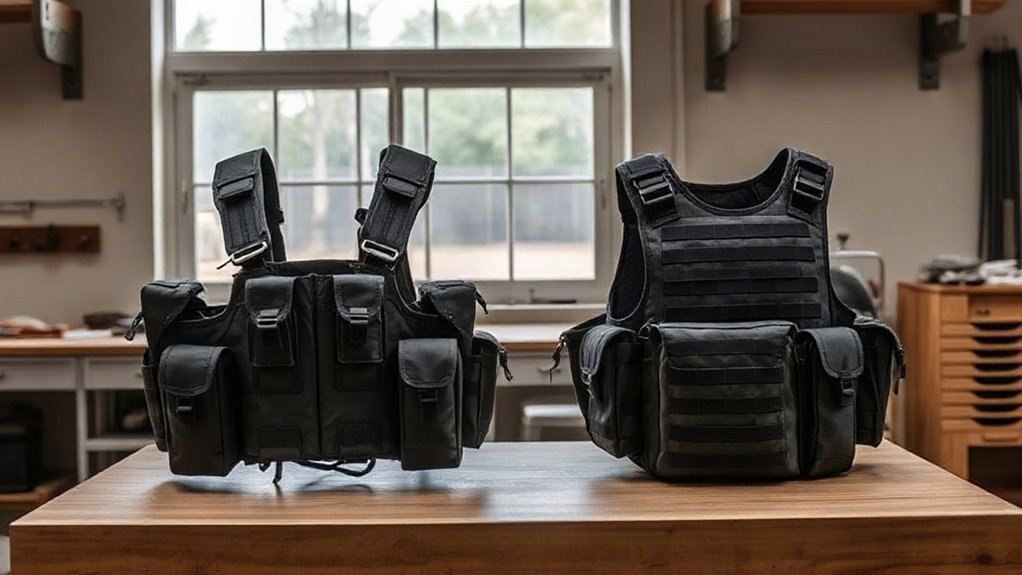
For light loads, I’d choose a chest rig when I don’t need rifle-rated protection. A typical loaded rig weighs about 3–6 pounds, rides cooler, and leaves more room for a pack hip belt or holster. A plate carrier adds weight and only protects when fitted with suitable armor; loaded systems commonly weigh 8–15 pounds. I’d match the setup to the threat, fit, and task, then check how it moves and carries gear. The details below help compare options.
Key Takeaways
- For light loads without a need for rifle-rated protection, a chest rig is usually lighter, cooler, and less bulky than a plate carrier.
- A typical loaded chest rig weighs about 3–6 pounds; a loaded plate-carrier system often weighs 8–15 pounds.
- Chest rigs suit range training and backcountry trips when carrying essentials and staying mobile matter more than armor.
- A plate carrier is the better choice when credible threats or duty requirements call for appropriately rated armor.
- Choose based on the full setup: check fit, equipment access, movement, and rifle positioning, then train with it.
Are Chest Rigs Better for Light Loads?
When you don’t need rifle-rated protection, a chest rig is usually the more practical choice for carrying a light load. I find chest rigs easier to manage because they’re lighter and less bulky than a plate carrier. A typical loaded rig weighs about 3–6 pounds; hard plates alone can add 5–10 pounds to a carrier. That difference matters during light-load training, hunting, or backcountry rifle carriage, where mobility and comfort count.
A chest rig can hold magazines and essential gear while leaving your waist clear. It also reduces heat and bulk, helping you move freely without carrying equipment you don’t need. I’d choose a rig when my loadout calls for essentials, not armor. If protection from credible armed threats is the priority, I’d choose a plate carrier instead. Chest rigs offer modular storage for carrying mission essentials without adding armor.
Do Chest Rigs Offer Ballistic Protection?
I treat a chest rig as a load-carrying platform, not armor; it offers no ballistic protection on its own. If you need protection, I’d choose a plate carrier fitted with armor rated for the threats you expect. You can wear a chest rig over it for extra ammunition, but that adds capacity, not protection. Chest rigs are designed to carry gear and can be a practical choice for light loads when ballistic protection isn’t needed.
No Built-In Protection
Although a chest rig can carry magazines and other gear, it offers no ballistic protection on its own—it’s a harness, not armor. I treat it as load bearing equipment, not a defensive layer, when choosing a setup for light loads. Pouches, straps, and accessories may improve access and capacity, but they don’t stop bullets.
A plate carrier also provides no protection without armor installed. Rated hard plates can address rifle threats, while soft inserts may help against handgun rounds or fragmentation but generally won’t stop rifle fire. Check the plate’s rating against the threat you expect; don’t assume the carrier itself offers coverage. A chest rig’s freedom of movement and low weight suit carrying essentials, but I wouldn’t mistake convenience for protection. Its magazines and gear can’t replace plates or turn the rig into armor.
Armor Layering Options
A chest rig doesn’t offer ballistic protection; it carries gear, not armor. For protection, I choose a plate carrier with compatible hard plates; nylon and webbing alone won’t stop rounds. Soft inserts may add fragmentation and handgun protection, but generally won’t defeat rifle rounds.
| Setup | Practical role |
|---|---|
| Chest rig | Carries gear; no armor |
| Plated carrier | Rifle protection with compatible plates |
For flexible armor layering, I wear a chest rig over my plated carrier, keeping magazines accessible without sacrificing protection. A split front chest rig can simplify access and fitting. The SRV Split Chest Rig connects at the centerline, so I can fasten it over a plate carrier instead of pulling both systems over my head together. Check how the harness sits over your plates, then adjust it for stable movement and clear access to your gear. I keep the armor choice separate from the load-carrying setup.
What Can Chest Rigs Carry?
Depending on the setup, a chest rig can carry about 8–14 rifle magazines—often more than a plate carrier’s typical 4–6—while keeping your waist clear. I choose the layout around the task, not a fixed loadout. Modular MOLLE webbing or laser-cut panels provide adjustability, letting me reposition magazine pouches and medical kits or add other mission-specific gear. An integrated assault pack can expand the setup for longer tasks.
- Ammunition: Carry 8–14 rifle magazines; the SRV Split Chest Rig Bundle holds 10–14, depending on configuration.
- Medical gear: Secure an IFAK or medical kit where I can reach it.
- Organization: Add admin and dump pouches for essential items and spent magazines.
- Extra capacity: Attach an assault pack for medical gear, magazines, or breaching tools.
That modularity lets you tailor what you carry and keep your waist clear. For light loads, strategically placed MOLLE pouches can provide quick access without the bulk of a full chest rig.
How Do Rigs Compare on Weight and Mobility?
When mobility matters, I notice the weight difference: a loaded chest rig typically weighs 3–6 lb, while a loaded plate-carrier system runs about 8–15 lb, with hard plates alone often adding 5–10 lb. A lighter load can reduce fatigue and preserve freedom of movement during a long day.
A chest rig rides high and leaves my waist clear, so it’s less likely to interfere with a hip belt or holster. Its slimmer profile also helps me climb over walls or barriers without as much bulk. A micro chest rig can keep that setup especially streamlined, though double magazine pouches or an assault pack add weight and bulk.
A well-adjusted rig should sit securely on your torso without riding up your neck, even as you move. A plate carrier provides ballistic protection, but plates and gear can push its weight to 10–20 lb or more, restricting tactical mobility. I weigh that tradeoff carefully.
Which Rig Fits Your Scenario?
I’d choose a 3–6 lb chest rig for training or backcountry rifle carry when I need magazine capacity, not ballistic protection. For defense or duty, I’d favor a plate carrier if rifle-threat protection matters, accepting the added weight of the plates. If I need both protection and capacity, I’d pair a chest rig over the carrier and practice with the setup, since straps can affect stock placement and reloads. For backcountry photographers, a chest rig can also keep camera gear accessible while distributing its weight across the torso.
Training and Range Use
For light-load range training without a need for rifle-rated protection, I prefer a chest rig: it’s lighter, cooler, and less bulky than a plate carrier. For range use, I match the setup to the drill, not a fixed notion of preparedness. I check fit, access, and movement before adding gear.
- A chest rig can carry roughly 8–14 rifle magazines; a plate carrier typically holds 4–6, depending on setup.
- For barrier drills, I choose a slim rig. Double magazine pouches add bulk and can limit mobility.
- I train with my actual rig: reloading from a chest rig differs from a belt, while carrier straps can affect stock placement.
- I choose a plate carrier when hard armor is required; otherwise, padded shoulder straps and a well-positioned magazine pouch keep carriage practical.
Hunting and Backcountry
On hunts and backcountry trips without a need for ballistic protection, I favor a chest rig: it carries useful rifle and gear loads with less weight and bulk than a plate carrier. A loaded rig commonly weighs 3–6 pounds and holds about 8–14 magazines; hard plates alone can add 5–10 pounds. Its high, compact fit keeps my waist clear for a pack hip belt or holster, helping me move freely over rough terrain. I’d choose a hunting chest pack with a waist strap when I need added stability, and a hydration bladder carrier for accessible water. Look for durable 500d cordura, sound stitching, and accessible pockets. For extra medical gear and supplies, I can pair the rig with a removable assault pack, accepting more bulk. If protection matters, a chest rig isn’t enough.
Defense and Duty Use
The light chest rig that suits backcountry rifle carry won’t protect you from bullets; for a credible armed threat or a duty role requiring rifle protection, I choose a plate carrier with appropriately rated plates.
For training or rifle carry without a protection requirement, I prefer a chest rig: it’s cooler, faster to don, and typically weighs 3–6 pounds, versus 10–20 pounds or more for a loaded carrier. Match the setup to your role:
- Choose a carrier when rifle protection is essential; fit it over any soft armor.
- Choose a chest rig when mobility and quick access matter more than armor.
- Compare h-harness and x-harness layouts for comfort and strap clearance.
- Check placard system retention, then practice reloads and confirm straps don’t disrupt stock placement.
I’d prioritize lawful, mission-appropriate equipment and train with the exact setup I carry.
Can You Layer a Chest Rig Over a Carrier?
Yes, you can wear a chest rig over a plate carrier to add space for magazines, medical gear, and communications equipment while keeping your armor in place. I’d choose a split-front rig, such as the SRV, because it wraps around the carrier and fastens at the centerline. That lets me don or remove the rig without pulling both systems over my head. Check whether its straps and buckles clear your carrier’s shoulder straps, and keep access to essential equipment unobstructed. Compatible MOLLE pouches can often move between the rig and carrier, but the carrier and armor plates stay with the carrier; they don’t transfer to the rig. Check that the pouches’ attachment spacing matches the rig’s MOLLE webbing before moving them between systems. Added bulk can restrict movement or change rifle positioning, so I’d test the complete setup and practice shouldering your rifle before relying on it in the field.
How Do Cost, Fit, and Training Compare?
For light loads, I’d compare the total cost, fit, and time needed to train with each setup. A chest rig keeps your kit lighter and often leaves more room to move; a carrier adds bulk, especially with plates.
For light loads, a chest rig often offers a lighter, more mobile setup, while a carrier adds bulk—especially with plates.
- Cost: A basic rig runs about $100; a modular-pack setup, $200–$220. A complete carrier system can exceed $1,000 with plates and pouches.
- Fit: I’d check straps over the clothing or soft armor I’ll wear. Added girth can limit adjustment, and shoulder straps may shift rifle-stock placement.
- Setup: Magazine inserts, kydex inserts, or a swiftclip interface change handling and fit, so I’d verify retention and access.
- Training: Rigs go on quickly, but both need practice. On range day, I train in my exact setup; rig reloads differ from belt reloads, and carrier straps affect rifle mounting. You keep freedom of movement only if your gear fits and works.
For women and smaller builds, strap adjustability and panel sizing can make the difference between a secure fit and gear that shifts during movement.
Frequently Asked Questions
Are Chest Rigs Better Than Plate Carriers?
Neither option is universally better; I’d choose based on your load and need for protection. For light gear without ballistic protection, I’d favor a chest rig: it’s typically lighter, less bulky, cheaper, and can carry more magazines. It also keeps your waist clearer for a belt or easier movement. If you face rifle threats, I’d choose a plate carrier with properly rated plates. Without plates, the carrier offers no ballistic protection.
Does the US Military USe Chest Rigs?
Yes, U.S. military personnel use chest rigs, though no single statistic captures their varied use across units and missions. I’d think of a chest rig as a configurable tool, not a universal replacement for issued armor or load-bearing gear. It can carry magazines, medical supplies, and communications equipment, and some troops wear one over a plate carrier. A split-front design can fasten around the carrier, giving you practical access and setup flexibility.
Do You Wear a Chest Rig Over a Plate Carrier?
Yes, I wear a chest rig over a plate carrier when I want ballistic protection plus extra carrying capacity. I’d check that the rig fits securely and doesn’t block access to the carrier’s cummerbund or medical gear. A split-front design, such as the SRV Split Chest Rig, makes it easier to put on or remove without pulling both systems over your head. The rig adds pouches; the hard plates stay in your carrier.
Are Chest Rigs Worth It?
Yes—a chest rig can be worth it, like a compact toolbox for essentials. I’d choose one when I need magazines or medical gear without armor’s weight and bulk; a loaded setup often weighs 3–6 pounds. Basic models start near $100, while modular-pack systems cost about $200–$220. I can carry roughly 8–14 rifle magazines and keep my waist clearer. But I wouldn’t rely on a rig for ballistic protection, and I’d practice reloads before using it.
Conclusion
For light loads, I usually favor a chest rig: it carries essentials with less bulk and keeps movement easy. But lighter doesn’t mean safer—most rigs offer no ballistic protection, and overloading one can erase its comfort advantage. I’d match the setup to the mission, fit, and training, then test it under real movement. If you may need armor later, check compatibility before buying. The right choice becomes clear when conditions change—and that’s when the wrong one matters most.
References
I can’t verify three publicly accessible sources directly comparing chest rigs and plate carriers, so I can’t provide references that meet your requirements without risking inaccurate or fabricated links.