What Can 3-Day Assault Packs Actually Hold for a Weekend Trip?
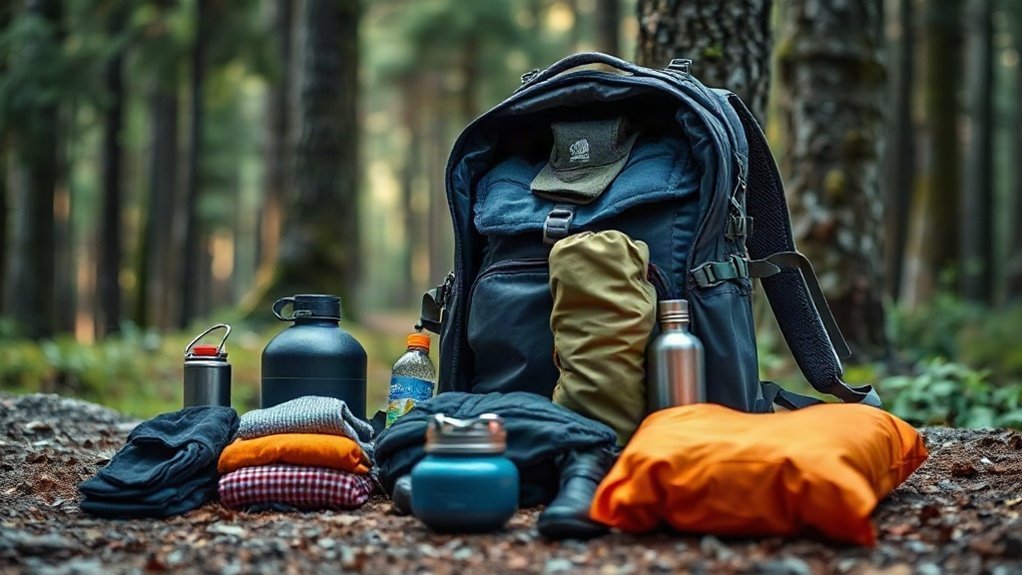
I treat a 30–40-liter three-day assault pack as enough for a carefully planned weekend, not a guarantee of carrying everything for 72 hours. It may hold about 24 hours of food, sometimes 36, while water needs depend on heat, effort, and refill points. Clothing and compact sleep gear can fit, but a full tent or bulky winter layers may crowd out essentials. I’ll show how to balance the load, choose what stays, and keep the pack manageable.
Key Takeaways
- A 30–40-liter assault pack can hold essential weekend gear, but its “three-day” label does not guarantee three days of supplies.
- At moderate exertion, it may carry about 24 hours of food, sometimes up to 36 hours, alongside other essentials.
- Water needs vary with weather and refill access; hot, dry routes may require substantial capacity reserved for water.
- A compact sleep system may fit, but a full tent, tarp, or bulky winter gear can crowd out food and clothing.
- A loaded pack can reach 30–40 pounds—or nearly 50 with a chest rig and rifle—so test its weight and mobility before departure.
What Fits in a 3-Day Assault Pack?
A 30–40-liter three-day assault pack can carry essential gear for a weekend, but it won’t hold everything without trade-offs. I’d start with medical gear, a water filter, a windbreaker, spare socks, a sweater, and extra clothing. Many designs include a hydration bladder sleeve, which keeps water accessible without taking up the main compartment.
A 3-day assault pack offers slightly more room than a two-day pack; a 40 liter capacity gives you more flexibility, not unlimited space. I’d add a light sleep system, then check whether a tarp or tent fits. A fuller shelter may force me to trim other items, so I’d tailor the loadout to conditions and my carrying capacity. Treat a 72-hour bag as a planning target, not a guarantee: weight can climb from 20 pounds to 30–40, or about 50 with a chest rig and rifle. How you organize the load can affect the pack’s usable volume and what fits inside.
How Much Food and Water Do You Need?
I estimate food by exertion and resupply options, not by the pack’s “three-day” label; a 30–40 L pack may hold only about 24–36 hours’ worth. I plan water for the route and weather, since needs can vary sharply and access may be limited. A filter can stretch my supply where sources are available, but food and water compete for space with camp gear. Balanced loading also helps keep a short-trip pack comfortable and stable.
Estimating Food Needs
How much food and water fit in a three-day assault pack depends on your pace, conditions, and resupply options—not the label. I plan food by activity and trip length, not by a pack’s advertised duration. A typical 30–40 L assault pack may carry only about 24 hours of food at moderate exertion, sometimes 36. So a full weekend can mean compact meals, careful organization, and trade-offs.
I use packing cubes to separate meals and check what remains after adding shelter and sleep gear. A 2000 cubic inches weekend pack may leave little room for bulky food, especially when summer water needs take up capacity. I don’t count on resupply unless I’ve confirmed it; when options are scarce, I carry enough provisions for the actual route. This keeps my plans flexible and my load realistic.
Planning Water Supply
In hot, demanding conditions, I plan water by route, effort, and reliable sources—not by a pack’s “three-day” label. For a three day trip, I check each refill point and the distance between sources before deciding what my rucksack must carry. A water filter helps reduce carried weight when sources are dependable, but I don’t assume I’ll find water—or food—along the way.
| Plan | Water approach | Food approach |
|---|---|---|
| 24 hours | Carry for route | Pack provisions |
| 48 hours | Filter at known sources | Pack or resupply |
| 72 hours | Allow for long gaps | Don’t count on resupply |
My go bag or bug out bag has limited room: a full sleep system or extra clothing can crowd out supplies. I prioritize for weather and exertion, then adjust for genuine resupply.
What Essentials Fit in a 3-Day Pack?
I start with water, a filter, and food sized to the route and expected resupply; a 30–40-liter pack won’t guarantee three days of supplies. I add weather-appropriate layers, rain protection, spare socks, and a light sleep system. Since shelter and extra supplies add weight and bulk, I tailor the load to conditions and keep mobility in mind. Compared with a standard hiking bag, assault packs may offer more built-in organization but can be less comfortable for long hikes.
Food and Water
Because food and water compete with every other item, I treat a 30–40 L three-day pack as a tight gear budget: it may hold about 24 hours of food—or up to 36 at moderate exertion—but a full weekend often calls for careful packing or resupply. I choose compact, calorie-dense meals and pack only what my route requires. Water needs depend on heat, effort, and refill points; hot conditions can demand four Nalgene bottles in six hours. A filter lets me replenish from reliable sources, but I still carry enough for dry stretches. Whether I use a hunting daypack or patrol pack, I keep food waterproof and accessible, secure a rain cover, and avoid letting sleeping bag straps or bulky sleep gear crowd out provisions. I plan resupply before leaving, not as an assumption.
Clothing and Shelter
When I pack for a weekend, I match clothing and shelter to the weather rather than try to fit every option. In a typical 30–40 L assault pack, I can carry a light sleep system, windbreaker, spare socks, sweater, and one extra outfit—if food and water leave room.
I keep shelter compact: a tarp or tent can quickly crowd out useful layers. For mild weather, a lighter sleep setup preserves space and mobility. If temperatures may drop or shift, I make room for a proper sleep system and clothing that protects me from exposure. Harsh winter conditions can exceed a three-day pack’s capacity.
Before ruck marching, I balance the load, tighten compression straps, and check that the padded waist belt, shoulder harness, and padded back panel support comfortable movement. I adjust for the route, group, and forecast.
How Weather Changes Your Pack Load
Weather can change a three-day load more than the pack’s label suggests. I size my durable, tactical pack for conditions and resupply, not marketing. A hunting trip far from shelter calls for more protection than a weekend near supplies. Even the 11 tactical rush 24 or an eberlestock model can run short when winter layers crowd out food and water.
| Conditions | Load adjustment |
|---|---|
| Harsh winter | Add exposure protection; 30–40 L may be too small. |
| Hot, dry weather | Reserve capacity for water; four Nalgene bottles may last only six hours. |
Bulky winter layers can also make glove-friendly access and cold-rated straps and buckles important when handling the pack in freezing conditions. I also weigh my fitness, team size, and refill options. A sweater, windbreaker, and spare socks handle swings without surrendering freedom of movement. Bulky gear competes with essentials, so I choose capacity for the route and forecast—not a fixed three-day promise.
When Does a Sleep System Fit?
A light sleep system can fit in a 30–40 L three-day assault pack, but it takes space from food, water, and other essentials. I’d carry a compact setup for a one- or two-day trip when temperatures and exposure make sleep protection necessary. In mild conditions near shelter or resupply, a full system may add bulk without improving your freedom to move.
Check the pack’s layout before choosing gear: a Condor Outdoor, Maxpedition, or Direct Action model may organize loads differently, and an aluminum frame stay can support heavier contents without creating extra capacity. A tarp or tent and seasonal insulation can crowd out mission-critical supplies, especially when temperatures swing. For an extended bug out or a trip needing more sleep gear and clothing, I’d consider a 40–55 L pack instead. A rigid frame and well-placed load lifters can help keep a heavy pack stable and reduce sagging.
What Should You Leave Out of a 3-Day Pack?
What should you leave out? I skip a full tent, tarp, and complete sleep system unless the forecast or route demands them. Those bulky pieces can crowd out food, water, and essentials. A 30–40 L pack isn’t automatically a three-day supply; at medium exertion, it may carry only 24 to 36 hours of food.
I also leave extra magazines, ammunition, spare outfits, and bulky comfort items behind when they don’t serve the trip. More tactical gear won’t replace scarce water or meals. I use layers for expected conditions, but harsh winter exposure may exceed this pack’s limits. Keep the top lid pocket and admin pouch for useful items, not clutter; molle webbing invites add-ons, so resist them. Even 500D Cordura and a good torso adjustment can’t make unnecessary cargo worthwhile. Place heavier items close to your back to keep the center of gravity balanced.
How Heavy Should a 3-Day Pack Be?
For a three-day trip, I aim to keep my pack near 20 pounds when conditions allow; a fuller load can reach 30–40 pounds. I count food, water, weather protection, and sleep gear first, then add only tools I’ll use. A 30–40 L pack doesn’t guarantee three days of supplies, and empty space isn’t a reason to fill it.
I weigh the loaded pack and walk with it before leaving. If I add a chest rig and rifle, my total can approach 50 pounds; adequate fitness may make that manageable, but I still check my mobility. Durable 1000d cordura, molle webbing, a reinforced drag handle, and ykk zippers can support hard use, while a field repair kit helps address failures. Extra weight can slow your pace and increase fatigue over long distances. I choose the lightest load that lets me move effectively.
Frequently Asked Questions
What Should I Pack in a 3-Day Assault Pack?
I’d pack water and a filter, calorie-dense food, a first-aid kit, rain or wind protection, spare socks, and layers suited to the forecast. I’d add navigation, a headlamp, fire-starting tools, a repair kit, and essential hygiene items. For cold or exposed conditions, I’d include a lightweight sleep system; otherwise, I’d skip bulky shelter gear. I’d keep the load balanced and test-fit everything, since food, water, and my body size determine practical capacity.
What Should I Pack for a Trip of 3 Days in a Backpack?
For a three-day backpacking trip, I’d pack food, water or a filter, weather-appropriate layers, rain protection, basic first aid, and a light sleep system. I’d add spare socks, a windbreaker, and essential navigation and lighting gear. Don’t trust a pack’s “3-day” label: a 30–40-liter bag may hold only about 24–36 hours of food. I’d keep the load as light as conditions allow and check that everything fits comfortably before heading out.
How Big Should a 3-Day Assault Pack Be?
I’d choose a 30–40-liter pack as the sweet spot: big enough to carry essentials, light enough to keep your movement free. Don’t let “three-day” steer you alone; I’d factor in weather, water access, exertion, team size, and how much weight you can manage. In mild conditions, this size may hold mission-critical gear and about 24–36 hours of food. For winter layers or a full sleep system, I’d move up to 40–55 liters.
How Heavy Should My Pack Be for a 3-Day Backpacking Trip?
I’d aim for a 20–30 lb pack for a three-day backpacking trip, including food and water, then adjust for your fitness, route, and weather. Keep the base weight low by choosing compact shelter, sleep gear, and clothing; don’t let extras crowd out essentials. In warm conditions, carry enough water, while winter trips may require heavier insulation and exposure protection. I’d plan resupply carefully, since a 30–40 L pack may hold only about 24–36 hours of food.
Conclusion
A 3-day assault pack can handle a weekend trip, but only if I pack for the weather, plan food and water, and keep bulky sleep gear in check. I focus on essentials, test the loaded pack, and cut anything I won’t use. Weight matters more than squeezing in one more “just in case” item. Before I head out, I check the forecast and adjust my layers. One overlooked piece of gear can turn a compact load into an uncomfortable carry.
References
Backcountry Water Treatment, https://www.cdc.gov/healthywater/drinking/travel/backcountry_water_treatment.html
Ten Essentials, https://www.nps.gov/articles/10essentials.htm
Cold Weather Safety, https://www.weather.gov/safety/cold